

London’s billionaire home sales thrive as millionaire deals lag
The split speaks to the British capital’s enduring place in the property portfolios of the uber rich
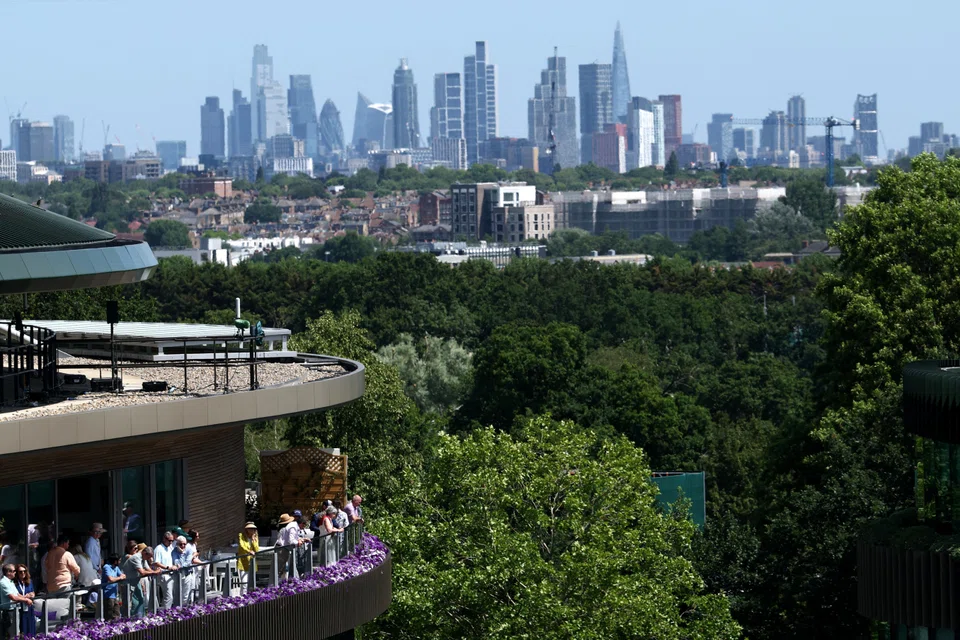
[LONDON] London’s millionaire mansions are stuck in a rut; homes for billionaires are faring better.
The city’s top-end real estate is the latest market exhibiting signs of a K-shaped recovery, where the most expensive homes are finding super rich buyers while the merely pricey continue to endure one of the most protracted downturns on record.
The split speaks to London’s enduring place in the property portfolios of the uber rich who can hop between multiple mansions across the globe largely unperturbed by tax changes that ensnare permanent residents.
At the same time the moribund market for houses worth a mere few million pounds each showcases the impact of a cocktail of fiscal and economic drags that have impacted full-time residents or those who have lost their tax advantaged status.
Over the past 12 months across London’s prime postcodes activity is down in all price points compared to each of the previous five years, apart from the £30 million (US$40 million) and above band, according to data compiled by residential research firm LonRes.
The 34 homes sold for more than £15 million in the first half represented a combined £1.24 billion of transactions, a more than 78 per cent increase on the same period a year earlier, analysis by broker Beauchamp Estates shows.
“Extreme wealth is above small domestic rises in taxation,” Savills head of prime central London Richard Gutteridge said. “It might make a change where they reside most or least, but it isn’t going to stop them buying where they most like or want to be.”
To be sure the typically small number of so-called super prime transactions in London means the data can be heavily skewed by a handful of deals. Still, this year has started with a steady stream of notable purchases.
The record sale of Nick Candy’s Chelsea mansion Providence House for £270 million to Quadrature Capital founder Suneil Setiya was notable not just because it set a record. The process involved multiple sealed bids from interested parties, underscoring the depth of demand for a rare London property boasting both privacy and ample grounds.
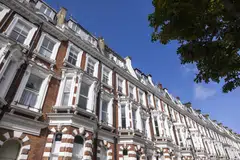
The second-biggest deal of the period, the £195 million sale of the Holme in Regent’s Park, was also evidence of increased interest at the very top end of the market after its worst year since the pandemic. The 40-room white stucco mansion, which counts the US ambassador among its short list of neighbours, sold at a premium of about 40 per cent to its sale price less than 18 months earlier.
But these eye-catching trophy purchases can’t make up for a wider luxury London market that continues to endure a more than decade-long downturn.
Prices in the so-called prime central London market, typically defined as covering a clutch of postcodes around Mayfair, St James’s, Belgravia, Knightsbridge, Chelsea and Kensington, are down more than a quarter from their 2014 peak, according to broker Savills.
“It’s been a tough time for millionaires,” Savills’ Gutteridge said, highlighting a series of property tax changes over the past 12 years as well as recent political uncertainty that has raised even more questions about the fiscal outlook. “There has been so many what ifs.”
The protracted slump has been marked by a series of shocks to the system, from a radical overhaul of stamp duty, the UK’s real estate sales tax, to hikes for investors and second home owners.
It has also seen a crackdown on those buying through secretive offshore structures or with sources of unexplained wealth, as well as all the other political and economic shocks that have roiled the UK from Brexit to the pandemic and the Russia Ukraine War.
And those tax changes have ultimately hit the millionaire class far harder than billionaires, according to Gutteridge.
Among recent tax changes to have caused the most angst at the top end of the market is the abolition of the UK’s so-called non dom regime, which shielded wealthy residents who were registered outside the country for tax purposes. The changes came into effect in April 2025 and in the following 12 months transactions in prime central London dropped more than 32 per cent, and prices fell 7 per cent, LonRes data show.
But while the end of the non dom ushered in a series of departures from the UK capital, it didn’t stop the wealthiest from buying London property.
Buyers purchasing a £15 million plus property would typically have a net worth of at least £100 million, according to Beauchamp director Rosy Khalastchy. That level of wealth usually comes with a multi-city property portfolio, meaning buyers might only spend a few weeks a year in London.
The degree of uncertainty about future fiscal tinkering has been a further drag on the lower rungs of the luxury real estate market.
“Buyers lower down the prime spectrum are more likely to delay purchases until there is greater clarity around the future tax landscape,” Savills residential research director Frances McDonald said.
It’s a situation that looks set to continue with the UK’s sixth prime minister in the last decade taking office this month. The top tier of London’s property market is now braced for another period of uncertainty as Andy Burnham works up his tax and spending plans together with new chancellor John Healey.
“There have been so many blips caused by external forces over the past 10 years that have had an impact,” Gutteridge noted. “One of the growing influences of our market being what happens if? Potential bad news causes people to batten down the hatches.” BLOOMBERG
Decoding Asia newsletter: your guide to navigating Asia in a new global order. Sign up here to get Decoding Asia newsletter. Delivered to your inbox. Free.
Share with us your feedback on BT's products and services
TRENDING NOW

Once staunchly pro-China, Malaysian Chinese businesses are now distancing themselves from Beijing

Looking beyond looming CEO succession, should UOB potentially pursue a transformative merger?

Could stablecoins be the future of money?

Grab CEO’s wife Chloe Tong on life with Anthony Tan and finding her purpose

