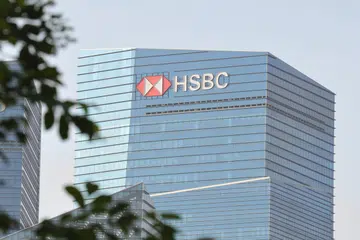
Lower Tokyo office vacancies give relief to market after Covid

TOKYO’S office vacancy rate fell in April, offering temporary relief to landlords, as cities around the globe struggle with empty space after hybrid work took root during the pandemic.
The rate in the Japanese capital’s five central business areas was 6.11 per cent, the lowest since May 2021, according to real estate broker Miki Shoji, which compiles one of the most-watched measures of commercial office use in the city.
The drop came after some availability was taken offline due to the expansion and refurbishment of buildings, Miki Shoji said in the report. The figure includes space that has not yet been vacated.
Vacancies surged in Tokyo during Covid and are expected to resume rising, as a handful of new buildings are completed and demand for office space remains muted. Historically, the city has recorded vacancy rates in the low single digits, but the market may be settling into a new normal of higher levels considering the change in work trends.
“There’s a possibility that by 2030, the rate will never be below 5 per cent again with the combination of new supply and weak demand,” Yasuhito Kawamura, a senior researcher at Sumitomo Mitsui Trust Research Institute, said before the report was published.
US risks
Still, Tokyo’s vacancy rate is enviable when compared with other metropolitan areas around the world. Office vacancy in Manhattan hit a record high of 16 per cent at the end of March and the rate in downtown Toronto was 15.3 per cent – the highest in nearly three decades, according to data from various real estate brokerages.
The commercial property segment in developed nations has been languishing as rising interest rates pressure real estate firms, and work-from-home trends and mass layoffs impact the office leasing business. In the US, prominent investors including Apollo Global Management’s chief executive officer Marc Rowan and Charlie Munger at Berkshire Hathaway have warned about troubling signs and risks in the commercial real estate sector.
Those risks are unlikely to play out in Japan, where interest rates remain low and commercial property financing is healthy, said Mari Kumagai, head of Japan research at real estate brokerage Cushman & Wakefield.
“Commercial real estate is very local, so each market is nuanced,” Kumagai said. “We don’t really see any potential for significant rate increases, so the market should be understood differently. We don’t have a driver to increase potential defaults.”
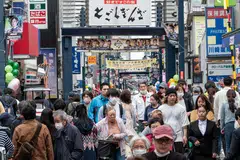
Also, cities in Asia have not taken up work-from-home habits as much as those in the US and Europe. Foot traffic at workplaces had recovered far more in places like Tokyo and Singapore than in New York and London, according to a Cushman analysis of Google Mobility data. BLOOMBERG
Decoding Asia newsletter: your guide to navigating Asia in a new global order. Sign up here to get Decoding Asia newsletter. Delivered to your inbox. Free.
Share with us your feedback on BT's products and services