Luxury London home prices dropped 6.6% in October
Prices in the city’s most affluent neighborhoods fall 6.6% in October compared with a year earlier
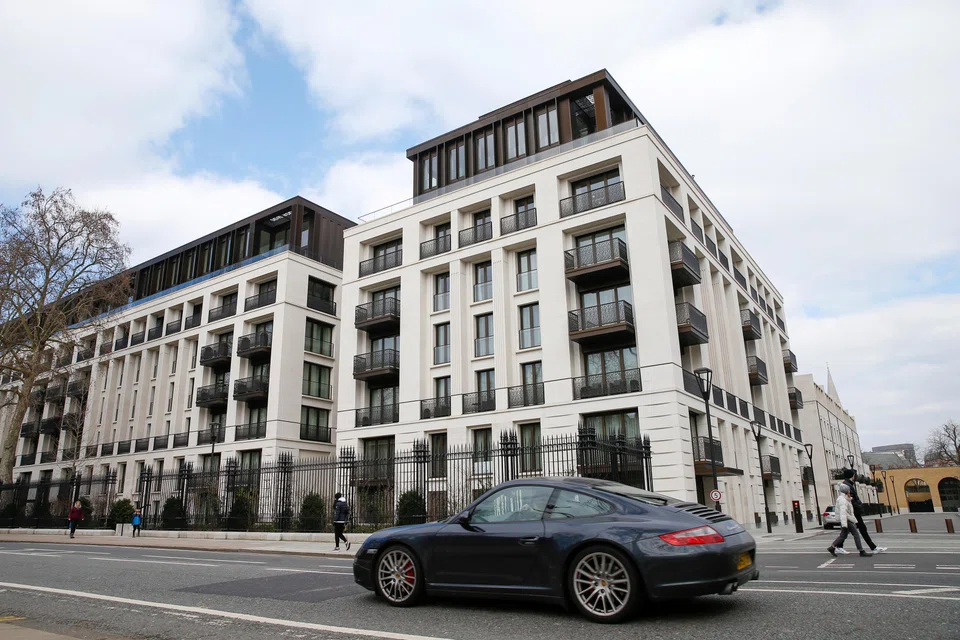
LONDON’S luxury property downturn is not over yet.
Prices in the capital’s most affluent neighborhoods dropped 6.6 per cent in October compared with a year earlier and 9.4 per cent from pre-pandemic levels, according to data from property analysts LonRes.
The volume of transactions also dropped, with 17.5 per cent less properties changing hands in prestigious areas like Mayfair and Belgravia compared with October 2025.
Some potential buyers and sellers may have held off on transactions while waiting to see what October’s Budget would bring, said LonRes Head of Research Nick Gregori.
“We will have to wait for data from November and beyond to see if potential buyers and sellers were reassured by the lack of changes,” he added. “It is possible that some pent-up activity will be unlocked.”
Data from estate agents Savills, released in October, also paints a gloomy picture. Their Prime London Index is down about 27 per cent since its peak in 2014 – a drop of 49 per cent once inflation is factored in.

“There is nothing wrong with bricks and mortar in the capital nor London itself – the decline in prime central London property values is mainly down to tax,” said Ollie Marshall, director of buying agency Prime Purchase. “Stamp duty has been the biggest driver of declining values.”
Over the past 10 years or so, successive chancellors have introduced policy changes that have significantly increased transaction taxes for the UK’s most expensive homes.
From April 2028, properties worth over £2 million (US$2.7 million) will also be liable for so-called mansion tax.



Meanwhile, London’s status as a hub for the super-rich has taken a knock due to various other tax reforms and a broader perception that the UK is becoming less business-friendly.
The effective marginal stamp duty rate on a £2 million home is nearly 8 per cent for UK residents – roughly £150,000, according to Knight Frank Finance, a mortgage broker. That figure rises to about £250,000 on an additional home.
Some owners of high-value properties would have saved money – in the short term at least – by renting instead, according to data from estate agent Hamptons.
Nearly 55 per cent of people who sold an apartment in England for £2 million or more since the start of 2026 would have been financially better off if they had rented, the research found. In 2016, that figure was just under 50 per cent.
The data compare the cost of ownership – including purchase price, sale price, stamp duty, maintenance and selling costs – with the estimated rental cost for the same home over the same period. The rent is based on the company’s own lettings data.
The longer you own a property, the greater the financial advantage. Almost 80 per cent of buyers who sold a property worth more than £2 million within a year “would have been better off renting”, the Hamptons report said.
After 10 years, that would be the case for less than 9 per cent.
And a purely financial calculation of renting versus buying does not take into account the wider benefits of homeownership, which include stability in your long-term living arrangements, decorating and renovating how you please and, most importantly, eventually owning an asset outright.
Still, the numbers reflect a prime property market where “prices have been much weaker, or in some cases fallen, leaving owners with less capital growth to offset the much higher costs of buying”, according to Hamptons.
Apartment prices “have really struggled over the past decade and particularly in London”, said Aneisha Beveridge, Hamptons’ head of research. They “haven’t seen the sort of value equity growth that houses have”.
However, much of the luxury downturn may now be “in the rear-view mirror”, according to Prime Purchase’s Marshall.
“While demand is low, the pipeline of supply is non-existent,” he said. “When sentiment changes, there is likely to be a supply squeeze and rise in prices.” BLOOMBERG
Decoding Asia newsletter: your guide to navigating Asia in a new global order. Sign up here to get Decoding Asia newsletter. Delivered to your inbox. Free.
Share with us your feedback on BT's products and services