

Madrid house price gains spell trouble for PM Sanchez
 Add BT as a preferred source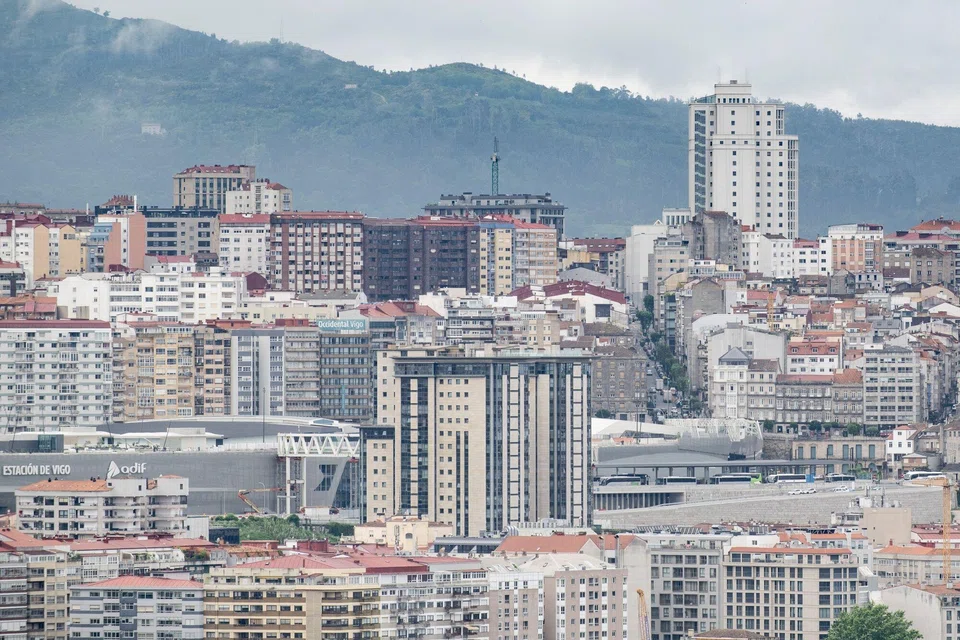
MADRID home prices are rising in contrast to most other major cities in Europe, a sign of a housing crunch that adds to the headwinds facing Prime Minister Pedro Sanchez’s bid for re-election. Residential real estate prices in Madrid climbed 4.9 per cent in May from a year earlier, according to data from Idealista and the latest Bloomberg City Tracker. Rising interest rates and declining consumer spending power have led to declines in five out of the eight cities monitored by the measure of urban housing markets, but housing shortages in cities like Madrid are keeping pressure on the market.
Milan and London have also seen year-on-year increases of 3.6 per cent and 1.1 per cent, respectively. Listing prices in Vienna continue to tumble, down 12.7 per cent in the latest data from Immopreise.
In Madrid, the persistent increases are a sign of a worsening housing shortage, which is squeezing consumers already contending with inflation and higher financing costs. The issue has become a political problem for Sanchez, as he faces voters in a snap election on Jul 23.
“In the case of Madrid, we’ve seen two phenomena: touristification and gentrification,” said Irene Lebrusan, a Harvard-educated expert in urban sociology and a researcher at the International Centre on Ageing. “Families have to compete with investment funds or foreign investors. Housing is still looked at as an investment, not as a good that has a social function.”
Sanchez’s Socialist-led administration has sought to ease the strain by passing a law in April to cap rent increases for next year at 3 per cent. While that’s higher than the 2 per cent limit this year, it’s still well below the rate of inflation. His government has also announced a series of public-housing policies aimed at easing the crunch, but an influx of money from overseas and a lack of new construction has kept prices rising.
Caps can also have a backlash by increasing demand for rentals, while making it less desirable for developers and owners to bolster supply, according to Cristina Arias, director of research at Tinsa, Spain’s largest real estate appraiser.
Rent controls “make it difficult for us to estimate the total return of our investments,” said Borja Garcia-Egotxeaga, chief executive officer of Spanish homebuilder Neinor Homes. “It’s hard for us to go to investors and discuss areas where rent caps exist.”
Tight markets extend beyond the Spanish capital’s wealthy neighbourhoods. Working-class districts, including Carabanchel, Latina and Villaverde, have seen housing prices rise more than 8 per cent from a year earlier. These districts are normally strongholds of Sanchez’s party and the left-wing Mas Madrid – now part of a new leftist alliance that includes Podemos, a governing partner. They’ve already suffered setbacks. In local elections on May 28, the conservative Partido Popular won the most votes in all of Madrid’s 21 districts.
The trend is evident across Spain. National home prices have been rising around 10 per cent year on year for four months in a row, according to Fotocasa data published last week. Prices in cities such as Palma de Mallorca, Malaga and Alicante posted gains of over 17 per cent.
Madrid has the biggest imbalance, according to Idealista. Four out of the top five municipalities facing the most intense demand pressure are in the Madrid region and its outskirts. In a report on Tuesday on housing markets, the Bank of Spain pointed to a lack of construction and an influx of migrants and foreign buyers.
The lack of housing supply in major cities across Europe is countering pressure from higher interest rates. Inflation and higher financing costs is also hitting the building sector, which risks intensifying shortages in the coming years. BLOOMBERG
Decoding Asia newsletter: your guide to navigating Asia in a new global order. Sign up here to get Decoding Asia newsletter. Delivered to your inbox. Free.
Share with us your feedback on BT's products and services
TRENDING NOW

AI salaries in Singapore rising 5 times faster than overall wages, fresh grads earn up to S$90k a year

‘I felt like dying’: Thai Singha beer scion speaks up after disclosure of alleged sexual abuse
Singapore brings back 19th-century tech to beat warming climate

Single founders, billion-dollar valuations: AI is minting unicorn startups at birth

