

Massive tax bill clouds sale of Singapore land by Malaysian king’s son
The tax owed is estimated to be over S$2 billion
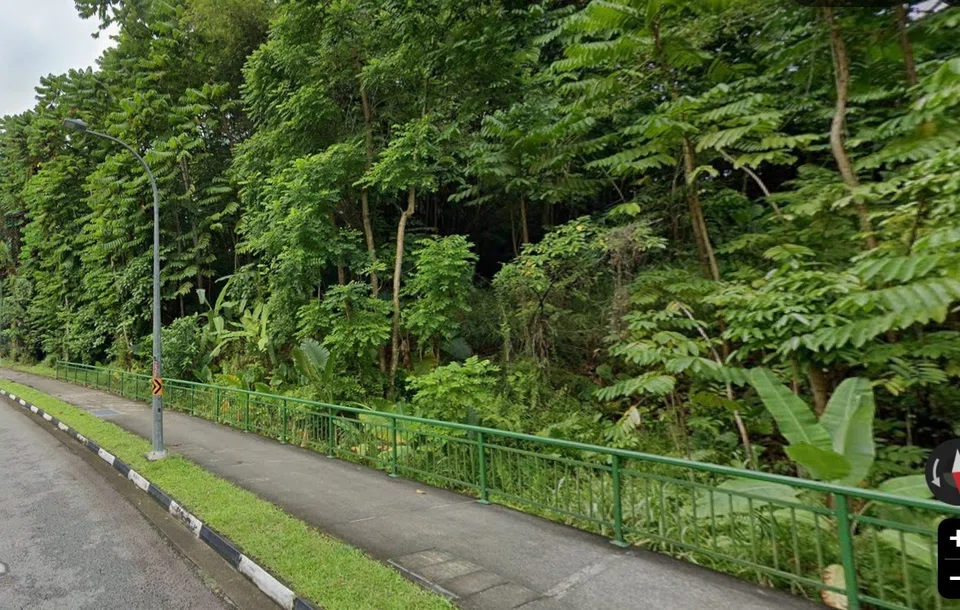
A MALAYSIAN royal’s plan to sell a tract of land in the heart of Singapore faces a complication: a tax bill that may exceed US$1 billion.
A levy known as a land betterment charge has emerged as a sticking point in negotiations between some prospective buyers and the current owner, the eldest son of Malaysia’s billionaire king, according to people familiar with the matter.
The owner wants any buyer to foot the bill, the people said, asking not to be identified because the information is private.
The tax, imposed when the government gives planning permission or other approvals that increase the value of land, may run north of S$2 billion, according to estimates by three local property analysts.
It’s a potential stumbling block for what may be one of Singapore’s biggest-ever real estate deals.
Ismail Ibrahim, son of Sultan Ibrahim Iskandar, is seeking to sell 16.6 ha of land, including a plot he obtained in a 2025 land swap with the city-state’s government that would enable any properties being built on his land to be further away from the Botanic Gardens, a Unesco World Heritage Site.
In March, Singapore’s Urban Redevelopment Authority said Ismail had applied to develop the land for residential use, and the agency was proposing rezoning it to allow for development of mansions known as Good Class Bungalows and low-rise housing.
A representative for Ismail, the crown prince and regent of Malaysia’s southernmost state of Johor, declined to comment.
The Singapore Land Authority, which administers the tax, said it doesn’t comment on market speculation concerning landowners’ intentions or potential private transactions.
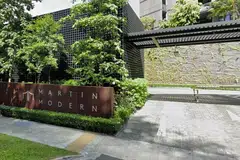
The tax would be payable by the land’s owner at the time its development is approved, although owners can nominate one or more other parties to pay. The timing of any government approval for development is unclear.
Some Singaporean and Malaysian property developers have chafed at the additional cost, as well as uncertainty over the exact size of the bill given the deal’s complexity, people familiar with the matter said. Ismail’s representatives have cast the net wider, seeking buyers from the US and elsewhere, the people said.
The levy is designed to ensure that economic benefits from allowing land to be developed are returned to the community. The Singapore Land Authority said that the amount payable “will be determined following the grant of permission to develop the land, in accordance with the provisions of the LBC Act”, referring to legislation that came into force in 2022.
The charge could range from S$2.5 billion to S$2.7 billion, according to an estimate by Nicholas Mak, chief research officer of Mogul.sg, a local property portal.
The levy may be almost S$3 billion, said Tay Kah Poh, first vice-president of the Valuation and General Practice Division of the Singapore Institute of Surveyors and Valuers. He cautioned that the figure may be lower, citing a lack of information about the value of the land before rezoning.
Another property valuer, who asked not to be identified discussing a sensitive subject, estimated the tax may be more than S$2 billion.
The land itself may be worth S$3.8 billion to S$4.7 billion if rezoned, according to Mak. The analyst who asked not to be identified estimated it may be worth at least S$3 billion.
The Johor royal family has owned land in Tyersall Park for more than a century. Their estate inspired the setting of the 2013 book Crazy Rich Asians, which was later adapted into a hit movie.
The tax law allows for exemptions and relief in some cases. The rezoning proposal was also subject to public comment. A government notice indicated there was a hearing in July for objections and representations submitted in response to the proposed rezoning.
An Urban Redevelopment Authority spokesperson said hearings are only offered to those who submit comments within the requisite notice period. BLOOMBERG
Decoding Asia newsletter: your guide to navigating Asia in a new global order. Sign up here to get Decoding Asia newsletter. Delivered to your inbox. Free.
Share with us your feedback on BT's products and services






