Morgan Stanley says mortgage aid may halt China’s housing slump
The country’s years-long housing slump has been a major drag on the economy and consumer confidence
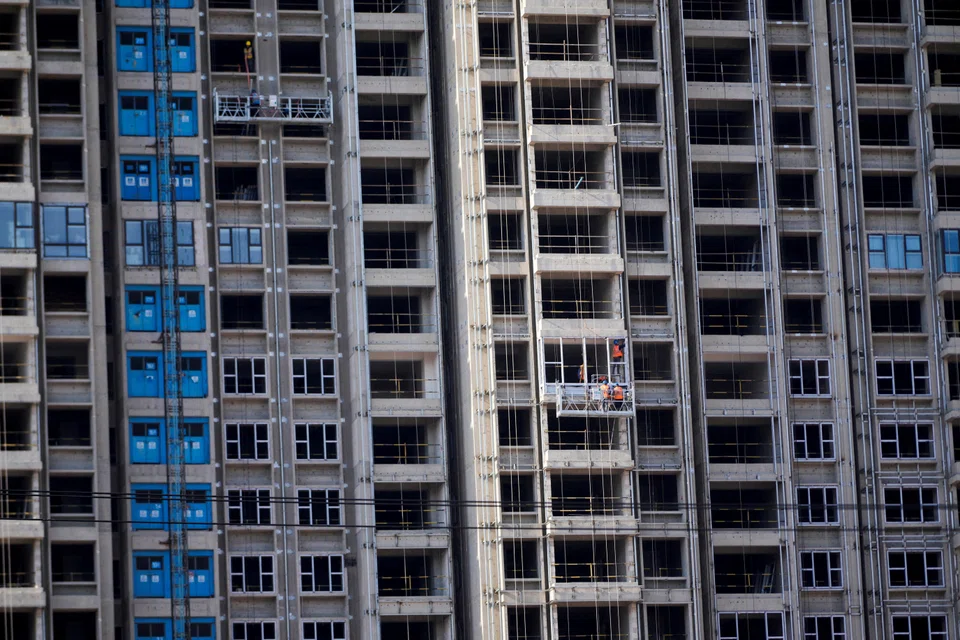
[BEIJING] China could turn to mortgage subsidies to revive its housing market, Morgan Stanley said, estimating that Beijing may need to spend about 400 billion yuan (S$73 billion) a year to lift battered consumer confidence.
Authorities may take a gradual and flexible approach to fiscal stimulus in 2026, Robin Xing, the bank’s chief China economist, said on Tuesday (Dec 2). Mortgage subsidies are one option that could be rolled out following policy debate and further contraction in the property market earlier in the year, he added.
“To stabilise expectations, the subsidies need to be substantial and they should cover both new and existing mortgages,” Xing told reporters at a roundtable in Beijing. Without fresh support, the property downturn may not bottom out until 2027 or even later, he warned.
He urged the government to offer mortgage discounts through subsidies to bring borrowing costs in line with rental yields. The support should remain in place until the property market stops shrinking, he said, estimating the policy could cost almost 400 billion yuan a year, assuming a broad-based 100-basis-point subsidy is provided.
China’s years-long housing slump has been a major drag on the economy and consumer confidence. Earlier government efforts to boost the market, such as scrapping purchase restrictions and encouraging local authorities to buy unsold homes, have had limited effect, with property investment still contracting at double-digit rates and housing sales continuing to fall.
As concerns grow that a deeper downturn could destabilise the financial system, policymakers are weighing a range of options, including offering new homebuyers mortgage subsidies for the first time nationwide, sources familiar with the matter said last month.
The plan has been under discussion since at least the third quarter, but the timing and details remain uncertain.
Chinese leaders are expected to meet later this month for the Central Economic Work Conference, where they will lay out economic plans for the coming year.
The government may stick with an official growth target of around 5 per cent for 2026, Xing said. Morgan Stanley is a bit more cautious, projecting nominal gross domestic product growth of 4.1 per cent and real expansion of 4.8 per cent amid easing deflation.


“While deflation may persist throughout the year, the price drops will likely ease modestly on the back of incremental fiscal and housing easing,” he said.
Xing added the budget deficit as a share of GDP will likely be set at a level similar to 2025, which is about 4 per cent, though authorities will closely monitor economic data and be ready to add stimulus in the third quarter if needed. The broad deficit may end up around 1.5 trillion yuan larger than this year, with spending tilted towards supporting service consumption, he estimates.
While consumption may stay subdued because of the weak property sector, infrastructure investment growth could accelerate slightly from this year, he said.
Government investment will likely focus on national strategic projects and sectors such as urban underground pipelines, clean energy and energy storage, as well as AI-related facilities, according to Xing.
Exports are set to remain resilient on the back of strong US growth, an AI investment boom and the competitiveness of Chinese firms, though the pace may slow to 3 to 4 per cent, he said.
“The year 2026 may mark a year of transition, with signs of breaking the deflationary cycle emerging,” Xing added. BLOOMBERG
Decoding Asia newsletter: your guide to navigating Asia in a new global order. Sign up here to get Decoding Asia newsletter. Delivered to your inbox. Free.
Share with us your feedback on BT's products and services