

Mortgage rates in US decrease for third week, falling to 6.6%
Buyers have been forging ahead in recent weeks, with contracts to buy homes up 4.1% from a year earlier
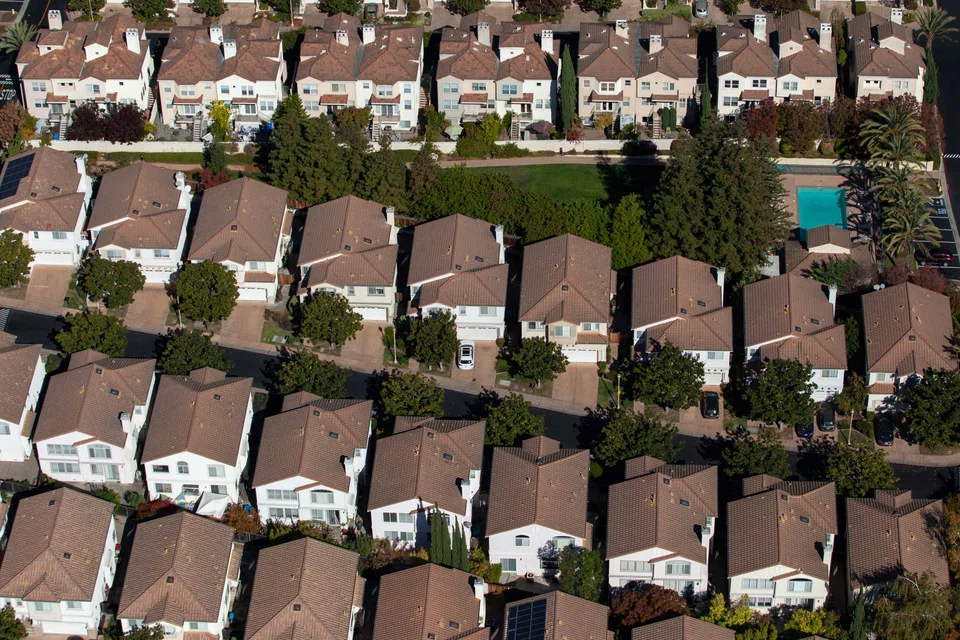
MORTGAGE rates in the US have dropped for a third straight week. The average for a 30-year fixed loan was 6.6 per cent, down from 6.69 per cent last week, Freddie Mac said in a statement.
Buyers have been forging ahead in recent weeks, with contracts to buy homes up 4.1 per cent from a year earlier, according to Redfin data measuring the four weeks through Dec 8.
But affordability is still challenged, with rates staying stubbornly high and the median sale price up 6 per cent from a year earlier, according to the brokerage.
“Demand is settling into its new, post-election normal,” said Chen Zhao, Redfin’s economic research lead.
In November, a measure of inflation rose at a pace that was in line with expectations, bolstering speculation that the US Federal Reserve will cut its benchmark interest rate at its final meeting of the year next week.
“The combination of mortgage rate declines, firm consumer income growth and a bullish stock market have increased homebuyer demand in recent weeks,” Sam Khater, Freddie Mac’s chief economist, said in the statement.

“While the outlook for the housing market is improving, the improvement is limited, given that homebuyers continue to face stiff affordability headwinds.” BLOOMBERG
Decoding Asia newsletter: your guide to navigating Asia in a new global order. Sign up here to get Decoding Asia newsletter. Delivered to your inbox. Free.
Share with us your feedback on BT's products and services
TRENDING NOW

Government to bring forward raising of retirement age, give employers more financial support to create flexi-load jobs

If Europe goes to war, the fallout will be felt in East Asia

Former minister Maliki Osman, Revolut chairman join Asia Gulf Holdings advisory board

Small nuclear reactors could boost the Asean Power Grid: GE Vernova executive

