

New owner of historic Kansas City shopping plaza pitches US$1.5 billion rescue plan
This includes 750 new apartments and possibly condominiums, at least 645,000 square feet of office space and 278 hotel rooms
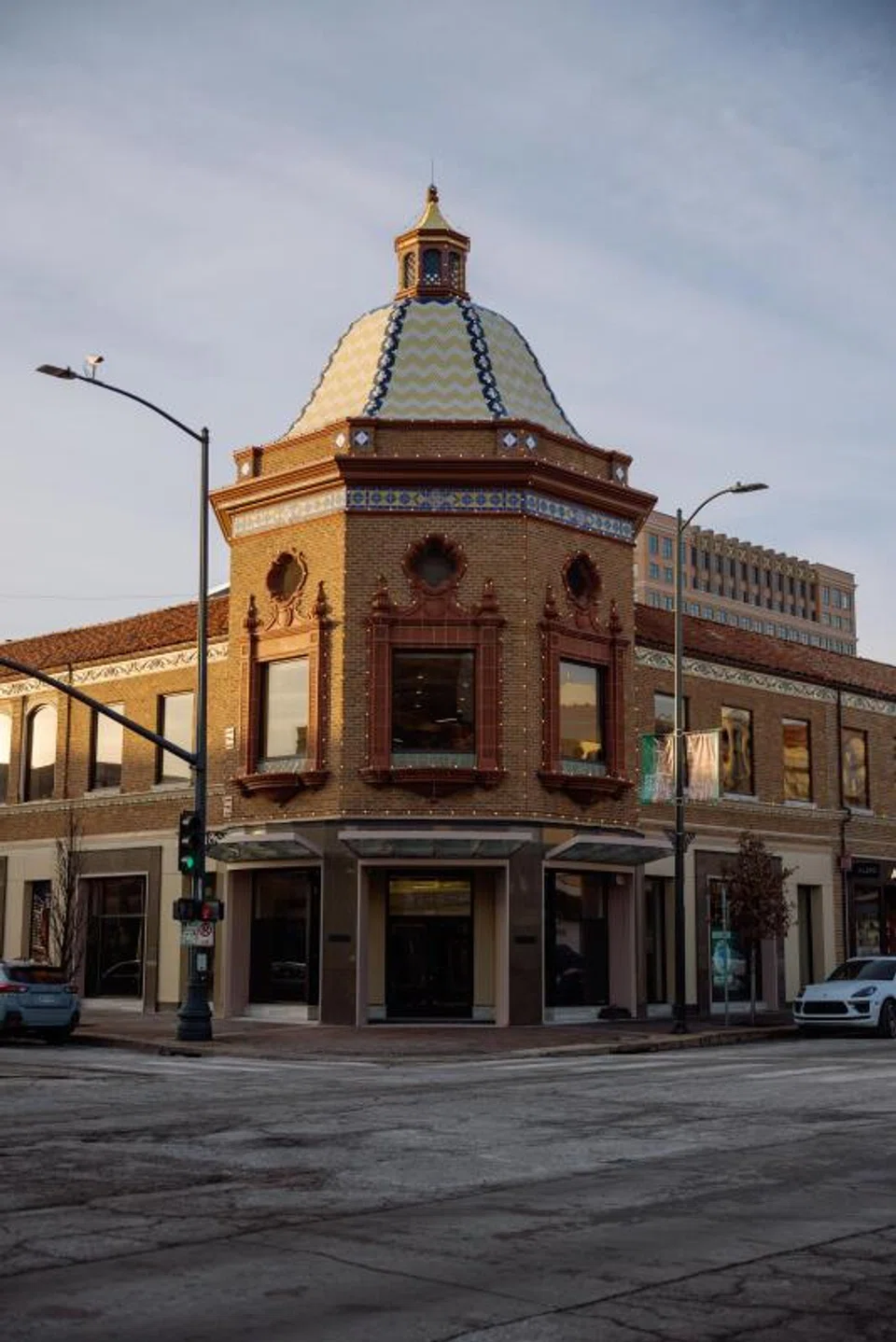
[KANSAS CITY] More than a century ago, the Country Club Plaza, widely recognised as the first outdoor shopping centre in the United States, opened in Kansas City, Missouri, and over the years became a popular destination for residents and tourists.
Visitors travel from all over to experience the several blocks of street-level retail, restaurants and entertainment venues in buildings inspired by Seville, Spain. Tens of thousands come during the Christmas holiday season to shop and to see the 200,000 lights adorning the plaza’s buildings. And close to 100,000 people visit in September for the annual three-day art fair.
But while Country Club Plaza’s architectural charm has maintained its popularity, keeping those crowds coming has become more challenging. Like stores in many parts of the country, retailers at the plaza have for years lost ground to e-commerce.
About one-third of the plaza’s storefronts and offices are vacant, and hundreds of millions of dollars are needed to repair and replace its ageing sewer and water lines, parking garages and other infrastructure.
In 2024, the plaza, roughly the size of 13 football fields at 732,000 square feet of retail, got a shot at a seemingly brighter future with a new ownership group that includes two great-granddaughters of HL Hunt, the Texan oil tycoon.
The group recently released its US$1.5 billion plan, which includes 750 new apartments and possibly condominiums, at least 645,000 square feet of office space and 278 hotel rooms. There are also plans for a park and expanded walkways.
The sale and new plans for the Country Club Plaza come at a consequential economic time for the city. In December, one of its other tourist attractions – the Kansas City Chiefs football team – announced it would move to Kansas in 2031. (The Chiefs are controlled by the Hunts: Clark Hunt, the chair of the football club, is HL Hunt’s grandson.)
“The plaza is a 100-year-old development, and while it still looks good, it needs to be competitive in a region where we have suburban communities looking to poach economic activity from Kansas City,” said Quinton Lucas, the mayor of Kansas City.
Neighbourhood groups have overall welcomed the new owners, whose acquisition ended corporate control of the plaza that started in 1998. The previous owners, Taubman Centers and Macerich, both national shopping centre landlords, failed to grasp the community’s strong sense of personal ownership of the district and steward it accordingly, said Kate Marshall, founder of the Plaza District Council, a nonprofit aimed at growing the plaza and its surrounding neighbourhoods as a cultural and economic centre.

Macerich did not respond to a request for comment. In November, Taubman was sold to Simon Property Group, one of the largest owners of shopping malls in the United States.
Gillon Property Group, which was formed in 2025 to oversee the Hunt family’s commercial real estate investments, bought the plaza for US$175.6 million, heavily discounted from the US$660 million that Taubman and Macerich paid in 2016.
Parts of Gillon Property’s plan have received pushback from special-interest and neighbourhood groups, slowing the approval process, including for the use of hundreds of millions of public dollars to help pay for the redevelopment. The group has secured preliminary approval for US$110 million in tax increment financing, an incentive that will use future taxes generated by the project to pay for infrastructure improvements. There is talk of an additional US$100 million in tax increment funds.
Gillon Property is also asking the Port Authority of Kansas City, an independent public agency, to issue up to US$1.4 billion in bonds to help fund the project. The Kansas City Public Schools and other tax jurisdictions have opposed that request.
The Kansas City Public Schools did not respond to requests for comment.
Neighbourhood groups are also pushing back against a proposal to build residential buildings to heights that, in some cases, are more than two to three times the current zoning limit of 45 feet. That would drastically alter the character of the mixed-use property, said Matt Fuoco, treasurer of the Plaza Westport Neighborhood Association. The organisation’s boundaries include the northern edge of the plaza.
“The new owners want to make some positive changes,” he said, “but it’s important to remember that the plaza is not downtown, where you have a wall of towers. It’s a suburban transitional zone.”
To that, Drew Steffen, CEO of Gillon Property, said the plan was to build up but in a way that did not create a “wall of tall buildings.”
Gillon Property’s other investments include Highland Park Village in Dallas, a smaller and slightly younger version of Country Club Plaza that the Hunt group bought and upgraded 15 years ago. Still, Steffen is well aware of the one-of-a-kind and irreplaceable nature of an asset like the plaza, he said, which is “not just a shopping centre, but a piece of the civic narrative and culture of Kansas City.”
But, Steffen added, “no great place in the world has remained great without investment, and to provide for investment, we need density.”
“It can be difficult to come into a beloved place and be asked to bring it back to life but also be told, ‘Don’t touch it, don’t change it,’” he said. NYTIMES
Decoding Asia newsletter: your guide to navigating Asia in a new global order. Sign up here to get Decoding Asia newsletter. Delivered to your inbox. Free.
Share with us your feedback on BT's products and services
TRENDING NOW

Once staunchly pro-China, Malaysian Chinese businesses are now distancing themselves from Beijing

Britain’s mansion tax shows the difficulty of targeting wealth

Three hats, one goal: How Ng Kian Swan runs sustainability at NUHS

COE review: The gap between luxury and mass-market cars isn’t the only one worth bridging

