
New Zealand searches for solutions as housing prices soar
 Add BT as a preferred source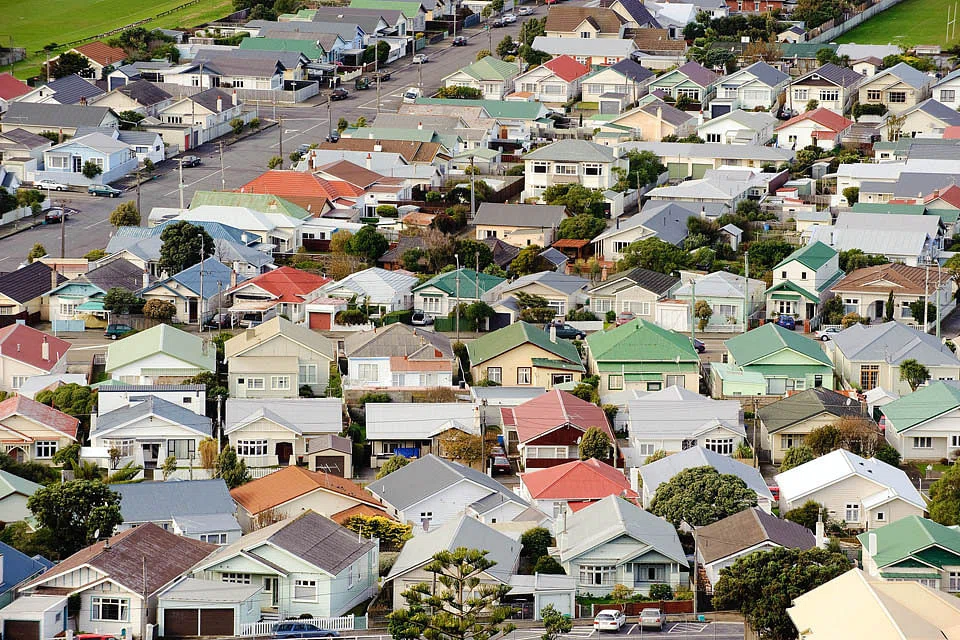
Wellington
NEW Zealand is set to unveil measures on Tuesday to counter a rampant rise in property prices that has pushed younger and lower income buyers out of the market, and poses a major challenge for the government of Prime Minister Jacinda Ardern.
The country's success in combating the coronavirus has made it a safe haven for returning Kiwis and investors, who have parked their funds in real estate, pushing house prices up 23 per cent in just 12 months, far ahead of wage growth.
Billions of dollars in government stimulus and historically low interest rates have further inflamed the market, while housing affordability has fallen back to its lowest in nearly 20 years, making New Zealand the least affordable among the 36 wealthy Organisation for Economic Co-operation and Development (OECD) nations.
Finance Minister Grant Robertson has said publicly that he is looking at moves to restrict loans to investors and dampen potential returns, while supporting other types of investments, but analysts warn there is no easy fix.
"The finance minister will need to throw the entire kitchen sink at this problem," said Brad Olsen, senior economist at Wellington-based economic consultancy firm Infometrics.
Navigate Asia in
a new global order
Get the insights delivered to your inbox.
"The conversation happening in Kiwi households during summer was not Covid-19, but housing. So he doesn't need a silver bullet ... he needs to fire every damn bullet at it."
House prices have doubled over the last decade and successive governments in the country of five million have struggled for years to find solutions.
Almost one per cent of New Zealand's population is ranked as homeless or "severely housing deprived", the highest rate among OECD nations, and almost twice that of neighbouring Australia.
While Ms Ardern's government was easily returned to power last year after virtually eliminating Covid-19 domestically and a string of domestic successes, the scrapping in 2019 of its flagship KiwiBuild project to build 100,000 affordable homes was a notable failure.
Ms Ardern said on Monday the government will outline a suite of urgent and longer term measures to tip the balance in favour of first home buyers and improve housing supply.
"It is, I believe, a plan that will start to make a difference in this complex problem," she said.
Mooted changes include restrictions on high debt-to-income and interest-only mortgage lending to investors, along with extending the holding time of investment properties from five years to 10 to win tax offsets and lowering tax rates on investments outside of housing.
The Reserve Bank of New Zealand has already tightened mortgage lending rules, and has been asked to consider housing while setting policies.
These demand side measures will have some impact, but don't address the central problem - a clear lack of affordable homes, said Kiwibank chief economist Jarrod Kerr.
"I'm worried the focus will be too much on the demand side ... I don't believe speculation is the problem, but it's an easy one to focus on," said Kiwibank chief economist Jarrod Kerr.
"The issue we have here is a chronic housing shortage and anything the government can do to boost the supply of dwellings will go a long way in solving this crisis," he said.
Another headache for the government is upsetting investors and home owners who are sitting on tidy profits from the housing boom.
"Housing is the most divisive issue at the moment," said Infometrics' Mr Olsen. "While there's an understanding that prices need to go down, there are also a lot of Kiwis who don't want their investments to go into the red." REUTERS
Decoding Asia newsletter: your guide to navigating Asia in a new global order. Sign up here to get Decoding Asia newsletter. Delivered to your inbox. Free.
Share with us your feedback on BT's products and services

