

No end yet in sight for Dubai home price rut, survey finds
Economists and property analysts cite oversupply as a chronic problem, and say a turnaround is more than a year away
 Add BT as a preferred source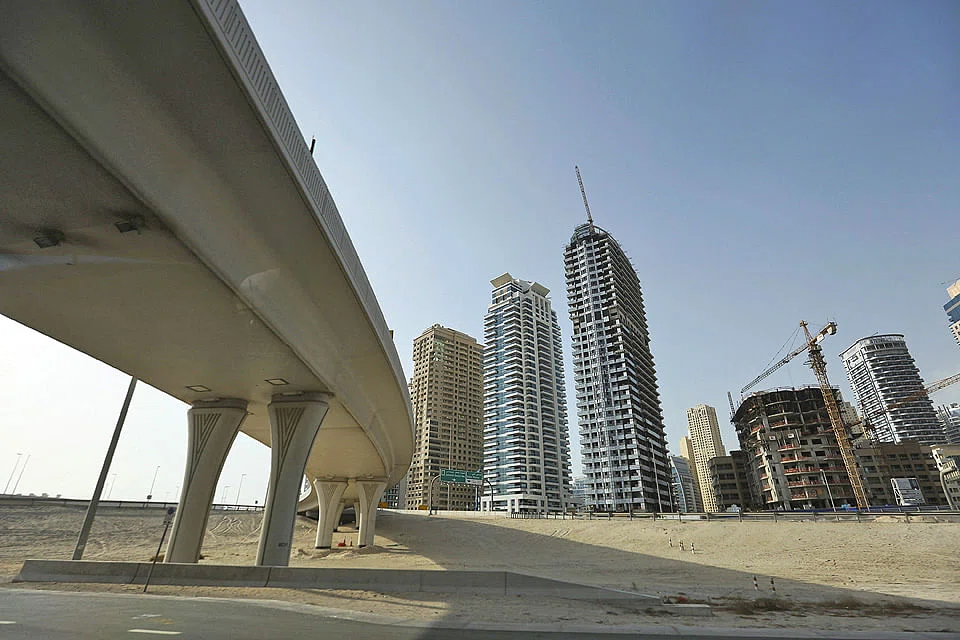
DeeperDive is a beta AI feature. Refer to full articles for the facts.
Bengaluru, India
DUBAI'S beleaguered property market will not rebound anytime soon, according to a poll of property market experts, largely due to a chronic oversupply of homes coupled with an economic slowdown in the city-state.
Dubai house prices have slid by at least a quarter since mid-2014, the peak from its recovery from the 2009 debt crisis, and the end of this latest bout of weakness is not yet near.
The poll of 10 economists and property analysts - conducted from Nov 6 to 20 by Reuters - showed that average property prices would decline 10 per cent this year and another 5 per cent next year.
While those forecasts were unchanged from a September poll, the median view for 2021 showed them falling at a slightly slower rate of 2.5 per cent, compared with 3.3 per cent.
An oversupply of homes remains a chronic problem in Dubai, said every respondent who answered an additional question in the poll.
Navigate Asia in
a new global order
Get the insights delivered to your inbox.
Chris Hobden, head of strategic consultancy at Chestertons MENA, said: "Oversupply has been a long-standing issue and recent developer activity indicates that this is unlikely to change in the near future."
The economy in Dubai, which is part of the United Arab Emirates, is heavily reliant on global trade, which has been under threat from the US-China trade war.
To try to address the property market slump, the government set up a real estate planning commission in September, but it is early days for measuring tangible results.
"While the establishment of the Higher Committee for Real Estate Planning suggests an appetite to address the imbalance, the Committee's market impact is still unclear," Mr Hobden said.
All but two respondents to another poll question said a further slowdown in activity was more likely than a rebound; all said a revival was at least a year away.
Jenny Weidling, manager of Research and Advisory at Asteco, said: "While the government has launched a number of initiatives to boost the economy, they will take time to filter through, which means the real estate market will continue on the downward trajectory until they do."
But recent sales transactions, which have been rising for 10 months, clocked their highest monthly tally since 2008 in October. Home ownership has become somewhat more affordable after years of falling prices.
When asked to describe affordability of the average home on a scale of one to 10 - from extremely cheap to extremely expensive - the median response was 5.5, lower than in September.
Controlling supply, further government stimulus, job creation and visa reforms were listed as potential effective policies for significantly stimulating activity and prices, respondents to another survey question said.
Dima Isshak, a senior manager at CBRE (Middle East, North Africa and Turkey), said: "The combination of these government initiatives ... is expected to boost FDI, increase business activity and boost market sentiment, thereby boosting real estate demand." REUTERS
Share with us your feedback on BT's products and services
TRENDING NOW

Shelving S$5 billion office redevelopment plan proved ‘wise’ as geopolitical risks mount: OCBC chairman

Eurokars Group introduces rental car franchises Enterprise Rent-A-Car, National Car Rental, and Alamo to Singapore
20 photos that show how dramatically Singapore has changed in two decades
Singapore’s key exports up 15.3% in March from electronics surge, exceeding forecasts

