

Norway investor urges Hyundai to improve corporate governance
Seoul
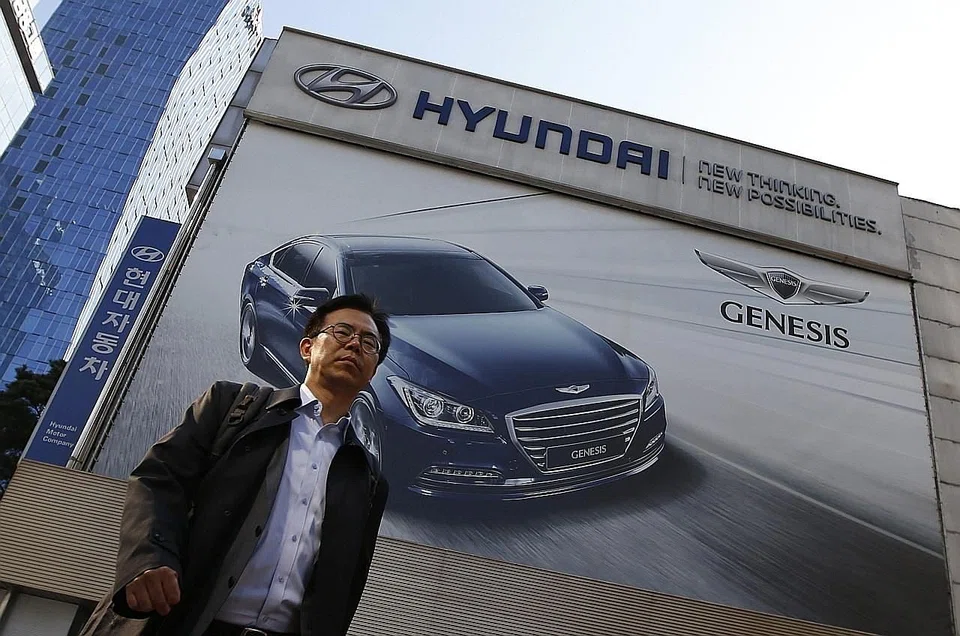
SKAGEN Funds, the biggest holder of Hyundai Motor Co preferred shares, is pushing South Korea's largest carmaker to improve corporate governance after a real estate purchase for three times the property's assessed value sparked a rout in the stock.
The Norwegian fund firm met Hyundai's management after companies controlled by Korea's second-largest family-run conglomerate agreed to the US$10 billion purchase for a new headquarters, hotel, convention centre and car museum in Seoul. The bigger of Hyundai's two preferred shares has lost 21 per cent since the deal was announced on Sept 18, while foreign investors sold a net US$370 million of Hyundai common shares.
The deal is "an embarrassment to Hyundai Motor's management team," Knut Gezelius, a money manager at Skagen, said by phone from Norway on Oct 31. "We've made it very clear that we disagree with the decision and we expect to see much better corporate governance and use of shareholder money going forward."
Hyundai's purchase has damped optimism that Korean companies will improve shareholder returns after the nation's finance ministry said in July that it will use tax policy to encourage higher dividends, according to Mr Gezelius. Hyundai trades at the lowest valuation among the world's 10 largest automakers, while the benchmark Kospi index's 1.5 per cent dividend yield is the smallest among global equity indexes tracked by Bloomberg.
Hyundai Motor common shares slumped 5.9 per cent to 160,000 won at the close in Seoul on Monday, the lowest level since October 2010. The biggest preferred shares slipped 1.6 per cent, while the Kospi dropped 0.6 per cent.
The Seoul-based carmaker is closely monitoring investor reactions following the land deal and is considering bigger dividends, the company said in an e-mailed response to a Bloomberg News query.
Hyundai's preferred shares have risen 10 per cent since Oct 23, when the company announced plans for possible interim dividends from next year and predicted improved earnings for the current quarter.
"Raising the dividend is a very small and encouraging sign, but we haven't seen the actual action yet, so we're waiting for that," Mr Gezelius noted.
Skagen held at least 5.7 million of Hyundai's two classes of preferred shares at the end of September, a stake valued at the equivalent of about US$668 million at the closing price last week, according to data compiled by Bloomberg. Preferred shares pay a higher dividend than common shares and trade at a discount, though they don't include voting rights.
Hyundai reported a 29 per cent drop in third-quarter profit, missing analyst estimates after a stronger won and worker strikes undercut earnings. The won has gained 5.7 per cent against the Japanese yen in the past three months, eroding the competitiveness of Korean exporters.
The carmaker must focus on generating higher returns to revive investor confidence, said Mr Gezelius. He contrasted Hyundai's land deal with the decision last month by Samsung Electronics Co, Korea's biggest listed company, to invest US$15 billion in a new semiconductor chip plant.
"One company spends money on building an auto theme park and another company spends money on making solid investments generating high returns," Mr Gezelius said. "It would be more likely that we would redeploy money into companies that are making better use of shareholder funds." BLOOMBERG
TRENDING NOW
US dollar falters after Iran’s offer to reopen Hormuz sends oil lower

He built the Vingroup empire. Now South-east Asia’s richest man is handing some key roles to his sons

Floods compound Philippine growth woes from public-works scandal

Tokyo reverses baby bust with AI matchmaking and generous subsidies

