

Offices across America must be torn down, says investor who won big in 2008
KYLE Bass has some advice for real estate investors: Tear it down.
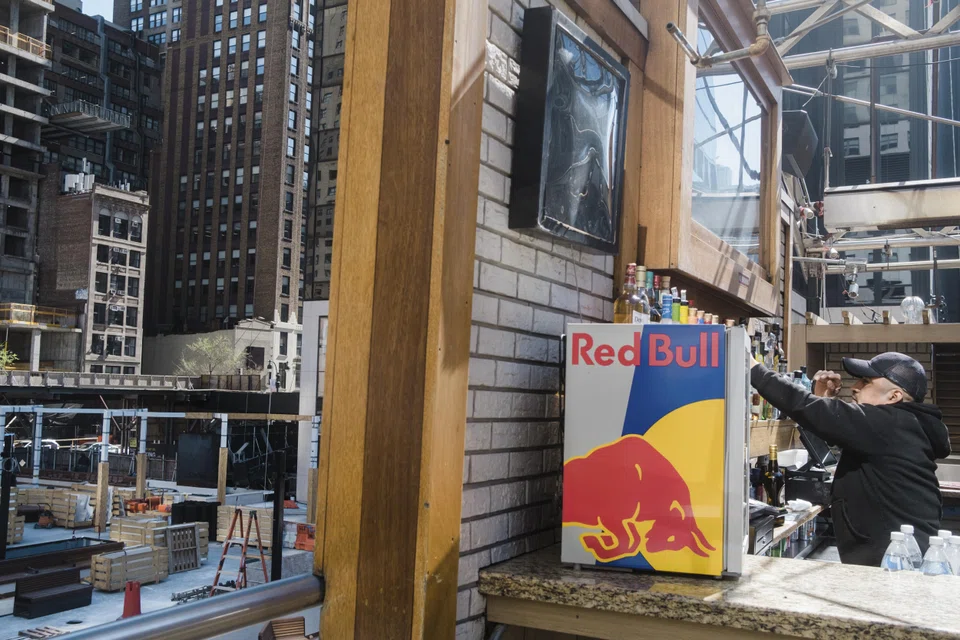
The founder of Dallas-based Hayman Capital Management says office buildings in cities need to be demolished because demand is not returning, and it is impractical to turn most towers into apartments.
“It’s one asset class that just has to get redone, and redone meaning demolished,” he said.
The Dallas-based investor shot to fame more than a decade ago betting against subprime mortgages before the US housing collapse. He has since pushed a series of contrarian investments that have occasionally burned investors, such as predicting the collapse of Japanese government debt and Hong Kong’s dollar.
His expectation of more pain in the office market reflects a more widespread view that the pandemic has driven a semi-permanent shift towards remote and hybrid work that imperils lower-quality buildings that are older and lack amenities.
The office vacancy rate in the US climbed to 20.2 per cent in the first quarter, up from 19.6 per cent in the last three months of 2022, according to real estate company Jones Lang LaSalle. Recent weakness in tech has forced companies including Meta Platforms and Amazon to scale back their footprint.
“We are now approaching the eye of the economic storm, and I expect it will get even worse,” said Steven Roth, the chairman of Vornado Realty Trust, in a recent shareholder letter.
Bass, who has most recently been investing in Texas land, said there is an imbalance in real estate, with a severe lack of multifamily units, especially in fast-growing cities such as Dallas.
But it is impractical to convert the vast majority of offices into housing. “You have to jackhammer rebar and concrete. You have to re-plumb everything,” he said. “And when you finish it, it just doesn’t feel right. You wouldn’t want to live there,” he added, citing for instance the lack of light.

Despite high demand for housing, developers of multifamily properties simply cannot get the financing right now to proceed with projects, Bass said. Banks are constrained by the rise in borrowing costs brought on by the Federal Reserve’s rate hikes, and the rapid movement of money out of deposits amid turmoil in the sector.
He reiterated that the Fed will need to cut rates by the end of the first quarter next year, adding that the recent run on bank deposits and Silicon Valley Bank’s collapse has in effect tightened monetary policy by 150 basis points.
Bass noted that the lack of funding for new buildings means high apartment rental rates are likely here to stay, with demand outpacing supply.
The investor is not shorting office markets, partly because publicly traded real estate companies have already priced in significant pain. The Bloomberg REIT Office Property Index is down more than 50 per cent since the end of 2021.
Bass is long on a more traditional investment – buying Texas land. He has spent about US$100 million acquiring six properties since starting Conservation Equity Management.
He said he can restore some of the properties into wetlands. In exchange, Conservation receives credits it can sell to companies needing to offset the environmental impact of their developments.
He is also maintaining his short on the Hong Kong dollar, a position he established in late 2017. The investment is influenced by his critique of China’s banking system and escalating geopolitical tensions between the US and China, especially over Taiwan. He added that he has more confidence than ever the bet will play out, citing data showing the scale of deposits that recently left Hong Kong’s banking system.
“We only have one position in Asia, and it’s short the Hong Kong dollar,” he said. “As many as we can be short.” BLOOMBERG
Decoding Asia newsletter: your guide to navigating Asia in a new global order. Sign up here to get Decoding Asia newsletter. Delivered to your inbox. Free.
Share with us your feedback on BT's products and services
TRENDING NOW
Chairman’s role in spotlight with raft of proposed new rules for Singapore boards
Director of PR firm sacked for secretly recording internal meeting loses wrongful dismissal claim
Indonesia stocks suffer worst plunge in nearly 30 years as MSCI proposes standalone status

If Europe goes to war, the fallout will be felt in East Asia

