
One of world’s priciest cities turbocharges affordable housing
 Add BT as a preferred source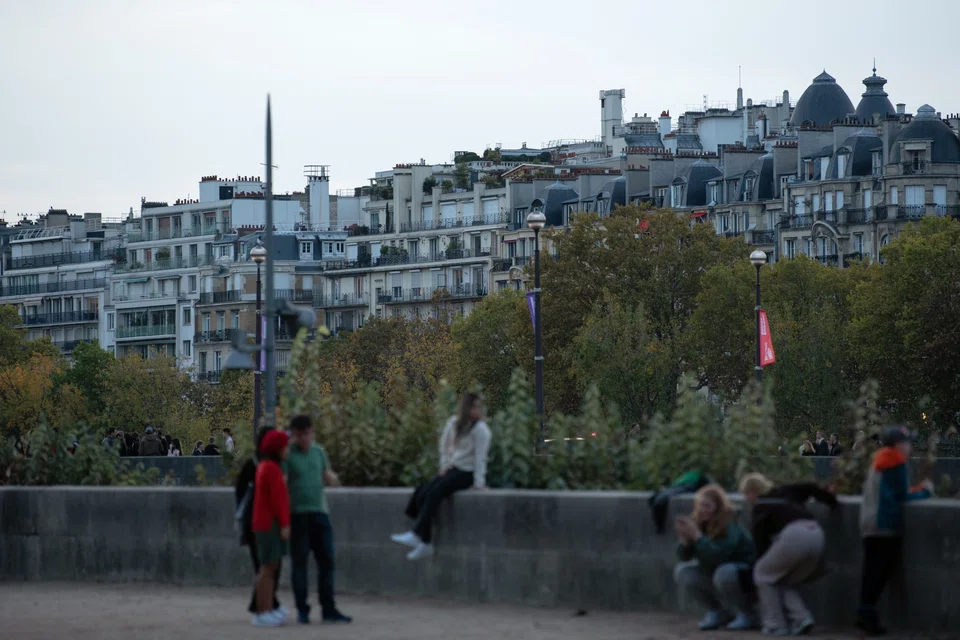
PARIS, ranked among the world’s most expensive cities to reside in various surveys, might not make the most obvious of role models for housing affordability policies.
But after succeeding in making 25 per cent of its accommodation accessible to people on lower incomes by the end of last year, the French capital has set a target of lifting that to 40 per cent by 2035. That means a major expansion of public housing so that homes for low-income tenants make up 30 per cent of all units with an additional 10 per cent comprising below-market rate abodes for middle-income tenants, Paris Housing Commissioner Ian Brossat told French media on Sunday (Nov 6).
It’s an ambitious vision given the scale of the challenge. Rents have continued to rise throughout the two decades or so since the City of Paris municipality set its first target, while the authorities preside over just the 2.1 million resident central nucleus of Greater Paris’s 14 million-strong metropolitan area. The latest goal also presents another problem: how to find space for thousands of new public housing units in what is already a hyper-dense urban area.
Brossat told news channel BFMTV that part of the solution will be to use defunct buildings. “I’m thinking of offices, parking garages, and of hotels that are obsolete today,” he said. They would be converted by a soon-to-be-established public company specifically created to transform former commercial space into dwellings.
Many indeed may be less in demand for non-residential purposes since traffic-calming measures reduced the daily flow of cars into central Paris, while office space is somewhat less needed due to the ongoing pandemic-driven popularity of homeworking. Other accommodation would be made available through planning regulations.
New office complexes would be refused permission if they didn’t reserve some space for homes within the building, an extension of a city law that already requires new residential projects to contain a proportion of affordable units. The homes in new office blocks could house employees working for companies that occupy them, Brossat suggested.
Navigate Asia in
a new global order
Get the insights delivered to your inbox.
Meanwhile, Paris aims to continue its policy of pursuing its own developments whenever suitable plots appear - even in wealthy areas. That could prove expensive, and the city has allocated an annual budget of 500 million euros (S$704.5 million).
The problem the plans seek to address is undeniable. While years of sharp rent rises in Paris slowed to a modest 0.8 per cent in 2021, the average of 1,200 euros for an apartment of 50 square metres is beyond the means of many. Partly as a result, 10,000 Parisians have left the city every year for the past decade.
There needs to be action if the city is not to become unaffordable to anyone except the very prosperous, Brossat said. “Do we want to make Paris a city that would be a citadel reserved for the privileged?” he asked in an interview with France Info radio. “Or do we want to make Paris a city that allows the people who run it to actually live there? That’s a choice we must make. Of course, it has a cost.” BLOOMBERG
Decoding Asia newsletter: your guide to navigating Asia in a new global order. Sign up here to get Decoding Asia newsletter. Delivered to your inbox. Free.
Share with us your feedback on BT's products and services

