

Post-pandemic, will heartland malls stay resilient?
When homebody economy meets online shopping, malls must plan for a digital future sped up by Covid-19

Singapore
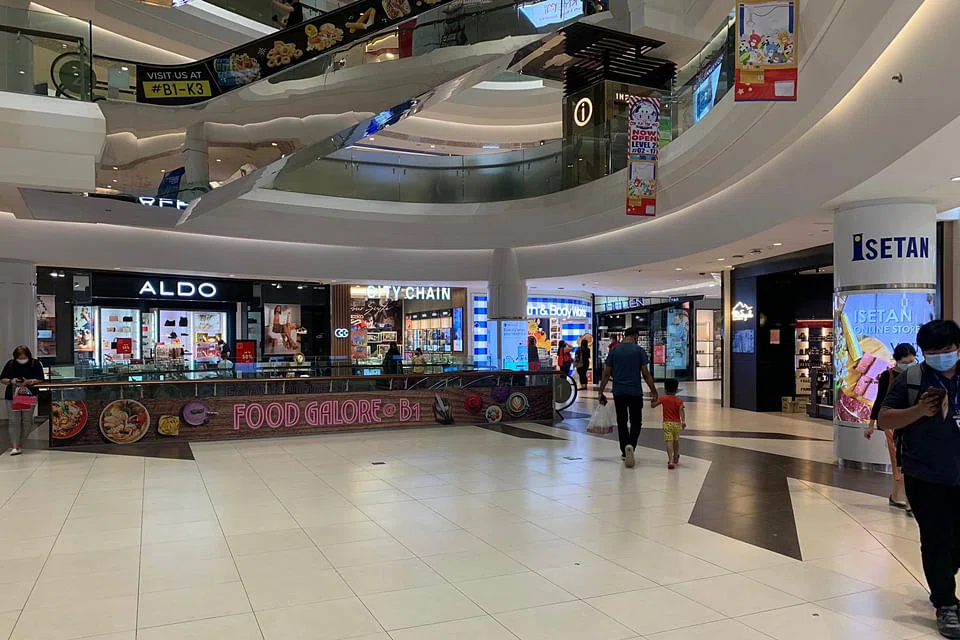
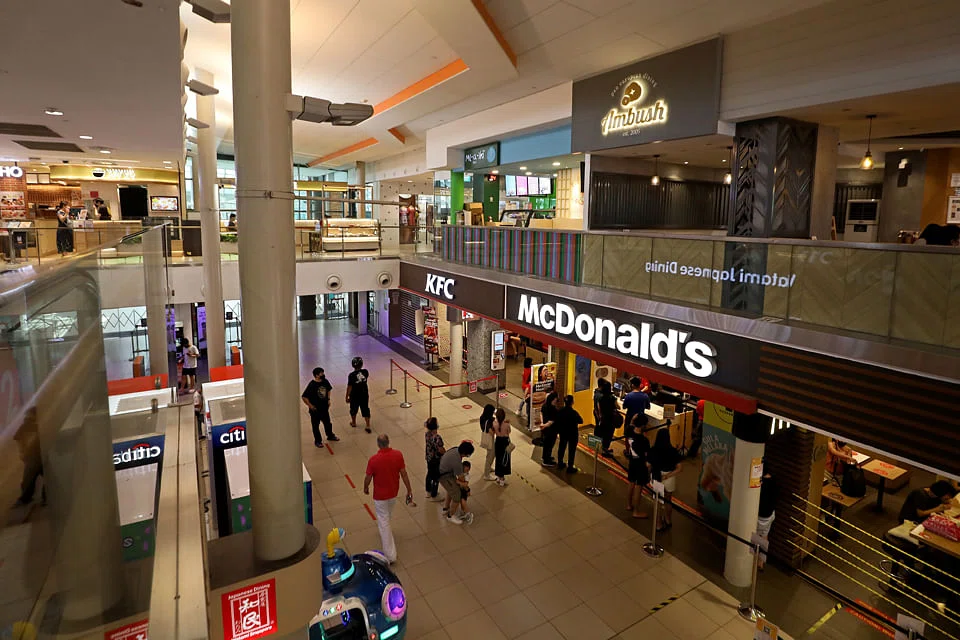
TAMPINES Mall in Tampines and Junction 8 in Bishan are among Singapore's most prominent heartland malls. The duo were part of the portfolio of Singapore's first real estate investment trust (Reit) CapitaMall Trust, when it listed in 2002.
Valuation reports dated June 1, 2002, put Tampines Mall and Junction 8 at S$438 million and S$301 million respectively.
While there has been capital expenditure, driven by strong patronage and active management, asset values have grown. Tampines Mall and Junction 8 are worth S$1.074 billion and S$794 million respectively as at end 2020, with value per square foot per net lettable area of S$3,015 and S$3,125 respectively. The values of the two malls eased by around 1per cent in 2020 from a year ago.
Values of Tampines Mall and Junction 8, which are now part of CapitaLand Integrated Commercial Trust, are up 145 per cent and 164 per cent respectively or a simple annual average of 7.8 per cent and 8.8 per cent respectively over 18.6 years.
Going forward, can the value of heartland malls continue to grow steadily?
By serving catchment populations in dense residential areas, heartland malls are well placed to draw footfall and sales. These malls do not need to rely on serving international visitors or substantially differentiate to lure patrons from all over Singapore.
Still, heartland malls have had to adapt. Disrupted by online shopping, fashion has become a much smaller part of the trade mix.
The fall in contribution to rental income from categories such as fashion and department stores has been compensated by the increase in contribution from categories such as food and beverage and education services.
In April 2002, the rental contribution excluding turnover rent from fashion was 27.7 per cent at Tampines Mall and 23.8 per cent at Junction 8 while that of food and beverage was 17.9 per cent at Tampines Mall and 22.2 per cent at Junction 8.
In December 2020, the contribution from fashion fell to 5.7 per cent at Tampines Mall and 6 per cent at Junction 8, while contribution by food and beverage grew to 30.8 per cent at Tampines Mall and 36.3 per cent at Junction 8.
The pain inflicted on food and beverage outlets by the ban on dining in from May 16 to June 20 has been acutely felt by heartland mall owners. Without the dine in crowd, footfall at malls dropped and other retail tenants suffered too. Landlords had to help provide rental and operating assistance where warranted.
Mall owners would be glad that dining-in at food and beverage outlets albeit limited to group size of two and operations at fitness studios, gyms and enrichment centres could resume from Monday.
Precedent suggests that foot traffic and sales can rebound as was the case after dining-in resumed on June 19, 2020, post the circuit breaker.
Frasers Centrepoint Trust, which owns a portfolio of mainly heartland malls in Singapore, saw tenant sales up 0.4 per cent and 11.7 per cent year-on-year respectively in January and February after Singapore's entry into Phase 3 of its re-opening on Dec 28, 2020.
As larger segments of the population get vaccinated, contact tracing efforts improve and more and quicker testing is carried out, life may get back to some sort of pre-pandemic norm in the near future.
Doubtless, retail landlords need stamina and flexibility to cope with the long fight against Covid-19 as occasional outbreaks can lead to stores or entire malls being shut for a certain duration.
However, the great challenge for heartland malls is changing consumer behaviour due to the continued march of digitalisation, which has been accelerated by the pandemic.
Enrichment centres catering to school children have emerged at HDB retail shops and heartland malls amid the arms race in education. While parents spending on their kids to get an edge will likely continue, more enrichment activities may move into the online space.
Various habits could change post-pandemic. Instead of going to watch movies at cinemas, people may be happy with streaming offerings from Netflix and Disney+.
Some people may stop going to salons for facials.
Visits to indoor fitness studios may be replaced by online classes or exercising in outdoor spaces. The growth in people cycling or jogging outdoors could continue especially with more park connectors being built.
In banking, digital-only banks do not need physical space when they start operations, while full service banks may gradually trim their physical branch networks. Younger customers are generally fine with mainly banking digitally while the pandemic has moved older customers to do more banking transactions online.
As customer experience improves, online grocery shopping could grow at the expense of visits to the supermarket.
Dining out with family or meeting friends over drinks in a safe manner will continue to draw people out of their homes into the malls.
But the post-pandemic consumer may dine out less and rely more on takeaways and food delivery services.
With safe distancing measures, profitability of food and beverage outlets could be affected as the number of diners they serve is reduced.
Amid investments in digitalisation by businesses and adoption of digital channels by consumers, many trades including food and beverage may over time transact less through physical shops and hence cut down on physical space needs.
Thus far, heartland malls have been a resilient asset class. They largely cater to buying of necessities and use of essential services by nearby residents.
Investors' faith in strong heartland malls looks unshaken for now. Earlier this month, Lendlease Global Commercial Reit proposed to raise its stake in Jem up to 31.8 per cent for a purchase consideration of up to S$337.3 million. Located in Jurong, Jem is one of the largest heartland malls with six levels of retail space. It also has 12 levels of office space.
Many retailers are having a tough time and uncertain about their prospects. An improving economy, a stronger job market and the ensuing rise in household income may bring some respite.
In the near term, landlords would do well to partner retailers by sharing the risk and reward of retailers via entering turnover only rental arrangements.
As digitalisation continues, the resilience of heartland malls will be sorely tested. When fashion outlets and department stores such as Isetan and Metro shut up shop in heartland malls, eateries expanded to whet appetites with a diverse range of culinary delights.
Spending to fill bellies can grow but with cloud kitchens and food delivery services expanding, eateries may operate with smaller physical footprints.
By leveraging good design, good ventilation, high standards of maintenance, strong understanding of customer needs and engaging activities, can heartland malls lure those living at their doorstep? Will efforts of groups like CapitaLand to grow a digital ecosystem to help retail tenants at its malls succeed?
People may be happy with new habits of staying home more, aided by the convenience of shopping for just about anything at any time with the click of a mouse.
Heartland malls have to fight hard to be relevant in the daily lives of the residents they serve.
TRENDING NOW
Prima to move out of historic Keppel Road flour mill building in 2028

Grab CEO’s wife Chloe Tong on life with Anthony Tan and finding her purpose

OCBC sheds S$8 billion in value as shares close nearly 6% down; analysts cautious on banks
As Asia’s food delivery giants rejig the pie, who will win the market?

