

A £52b jump in mortgage costs fuels risk for UK lenders
 Add BT as a preferred source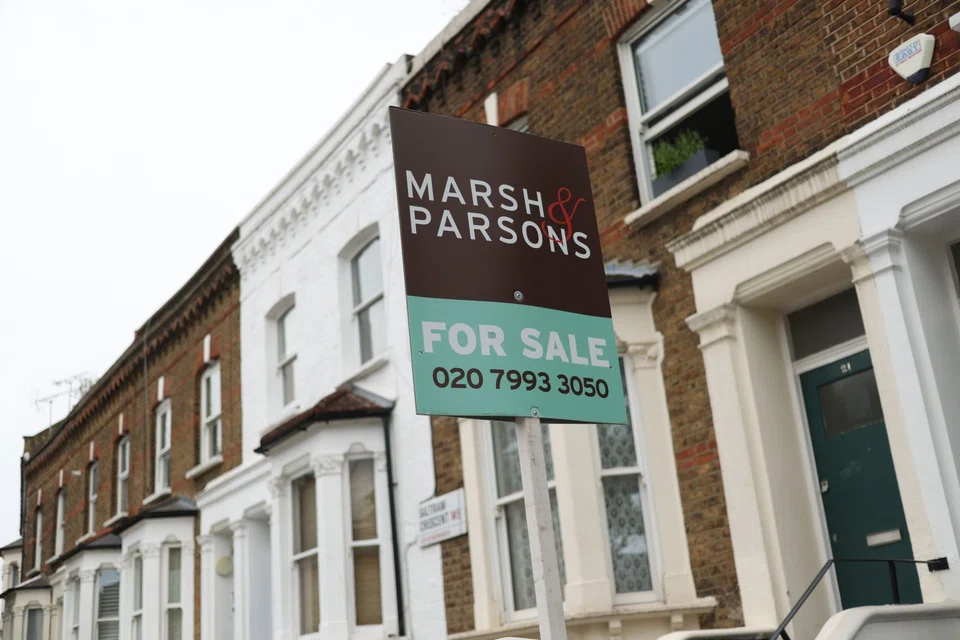
DeeperDive is a beta AI feature. Refer to full articles for the facts.
A surge in bad loans awaits UK banks as higher interest rates saddle homeowners with an estimated £52 billion (S$83.2 billion) of added mortgage payments over the next three years, an analyst warned as he downgraded his ratings on several lenders.
The jump in costs will help push the personal debt service burden toward about 10 per cent of post-tax income and further into the “dangerous territory” traditionally associated with large increases in impairments, Keefe, Bruyette & Woods analyst Ed Firth wrote in a note to clients on Wednesday (Oct 19). He cut his estimated earnings for British banks by 38 per cent for 2023 and 26 per cent for 2024.
Shares of UK lenders have tumbled in recent weeks following a surge in gilt yields spurred by a chaotic government push to cut taxes, since largely abandoned, as the Bank of England also raises interest rates aggressively to tamp down on inflation. While higher borrowing costs swell the margins that banks earn on their loans, they also threaten to drive up defaults as loans become more expensive to pay back and economic activity slows.
“Higher rates are better for returns, but only if achieved in a calm, predictable manner,” wrote Firth. “They need to be just right – not too hot and not too cold.”
The BOE is set to increase its main rate to 3 per cent next month, Bloomberg economist Ana Andrade wrote on Wednesday after data showed consumer inflation rose to 10.1 per cent in September. Meanwhile, the average two-year fixed-rate home loan jumped to 6.53 per cent on Tuesday, pushing above a 14-year high reached last week, according to data from Moneyfacts Group.
While bank shares are not expensive and already price in much of the risk, “the headwinds do warrant a more balanced approach,” Firth wrote, noting that UK rates are expected to hit about 5 per cent next year.

Navigate Asia in
a new global order
Get the insights delivered to your inbox.
He downgraded Lloyds Banking Group, Metro Bank and Provident Financial to underperform, the equivalent of sell. NatWest Group, meanwhile, was cut to market perform from outperform.
Banks also took a hit on Wednesday from a report in the Financial Times saying Chancellor of the Exchequer Jeremy Hunt could slap more tax on banks to help plug a shortfall in government finances. Lloyds was down 4.6 per cent as of 10:20 am in London, while NatWest fell 2.9 per cent and Barclays slipped 2.5 per cent.
“Banks are making lots of money and have passed on hardly any of the interest rate rises to customers,” Firth added when asked about a potential windfall tax. “They have only themselves to blame.” BLOOMBERG
Decoding Asia newsletter: your guide to navigating Asia in a new global order. Sign up here to get Decoding Asia newsletter. Delivered to your inbox. Free.
Share with us your feedback on BT's products and services
TRENDING NOW

Shelving S$5 billion office redevelopment plan proved ‘wise’ as geopolitical risks mount: OCBC chairman

Eurokars Group introduces rental car franchises Enterprise Rent-A-Car, National Car Rental, and Alamo to Singapore

20 photos that show how dramatically Singapore has changed in two decades
Singapore’s key exports up 15.3% in March from electronics surge, exceeding forecasts

