

Rent in New York City could soon increase by 2% to 5%
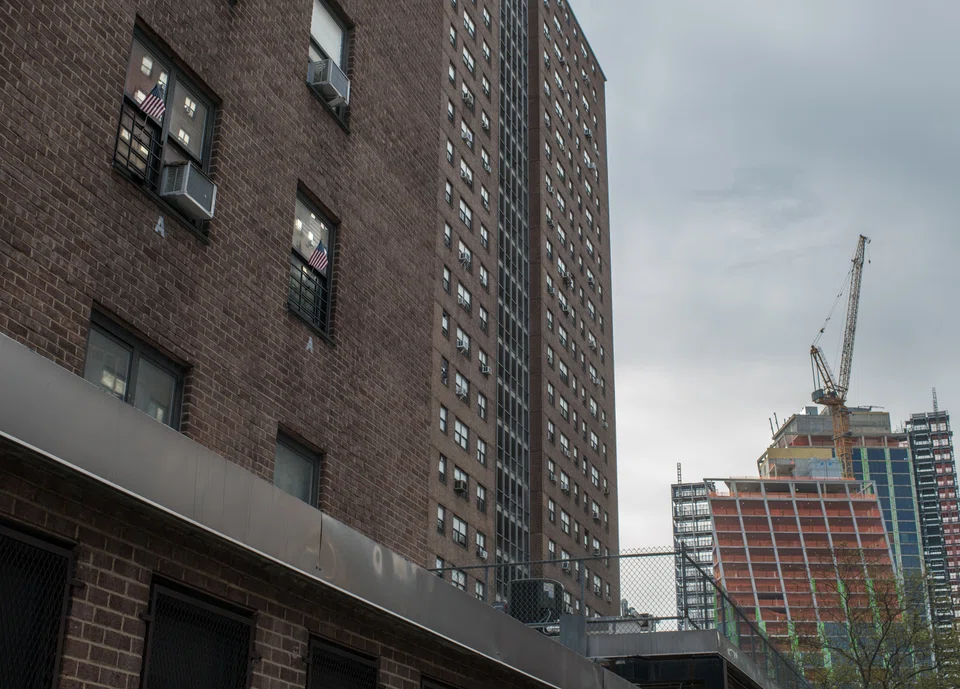
THE New York City panel charged with regulating rents across nearly one million rent-stabilised apartments gave preliminary approval on Tuesday (May 2) to some of the largest increases in years.
The nine-member panel, the Rent Guidelines Board, voted to back increases on one-year leases of between 2 per cent and 5 per cent and increases on two-year leases of between 4 per cent and 7 per cent.
The final increases, which the board is expected to approve with another vote in the coming weeks, will almost certainly fall between the ranges put forward on Tuesday. It is the second year in a row that the board has endorsed significant hikes, presenting another challenge for people struggling to afford living in the city.
The board’s meeting was disrupted when a group of tenant advocates, including several left-leaning members of the City Council, ran onto a stage where the board was seated.
The group began leading the audience in chants calling for a rent decrease. They then marched around the board members.
To determine the level of increase, the board examined factors that affect renters, including employment trends and wages, and ones that affect landlords, including rising fuel and insurance costs.
As in past years, the increases track inflation, which has been high during the rebound from the worst of the pandemic.
Any increase would affect leases beginning on or after Oct 1.
Rent-stabilised apartments make up about 44 per cent of all New York City rentals, and are home to roughly two million people.

The median rent in rent-stabilised apartments is US$1,400, more than 20 per cent lower than that of unregulated apartments, according to a recent city survey, making the homes a crucial source of lower-cost housing in one of the most expensive cities in the nation.
And the median household income of people living in rent-stabilised apartments is around US$44,000, more than 33 per cent lower than that of tenants in unregulated apartments, according to city estimates. That makes the board’s annual vote a tense flashpoint in the long-running dispute between renters and landlords over the cost of living.
“Given the severity of last year’s rent hikes coupled with the ongoing citywide housing crisis, the board should unequivocally reject any proposed increases for tenants in rent-stabilised units and commit to an outright freeze,” Adriene Holder, chief attorney of the Legal Aid Society’s civil practice, said in a statement on Monday.
But landlords have said they need more rent revenue to make up for the increasing cost of running and maintaining rent-stabilised homes.
“Rent adjustments are absolutely necessary this year to ensure the health of housing stock for low-income renters, and the ability of building owners who provide affordable housing to meet these increased costs,” said Michael Tobman, a spokesperson for the Rent Stabilization Association, a landlord group, in testimony to the board last week.
The rent-stabilisation system was established in 1969. It is designed to insulate renters from sharp increases in rent, and is separate from New York’s smaller rent-control program.
The members of the Rent Guidelines Board are all appointed by the mayor and include two representatives for owners, two for tenants and five for the public.
The board’s annual votes represent one of the few ways the mayor can directly address the city’s housing costs.
Last year, the board voted 5-4 to raise rents on one-year leases by 3.25 per cent in rent-stabilised homes, and on two-year leases by 5 per cent – the highest increases in almost a decade.
The vote was the first during the administration of Mayor Eric Adams, who has been more sympathetic to landlords’ worries than his predecessor, Bill de Blasio.
The vote to determine the final increases is likely to take place in June. For at least the past 20 years, the final figures have matched the outcome of the preliminary vote.
Decoding Asia newsletter: your guide to navigating Asia in a new global order. Sign up here to get Decoding Asia newsletter. Delivered to your inbox. Free.
Share with us your feedback on BT's products and services
TRENDING NOW

OCBC mobile, online banking services restored after Friday afternoon disruption

SGX CEO Loh Boon Chye to step down; succession planning under way

Waymo founder predicts ‘landslide’ robotaxi adoption in Singapore, driven by high car costs

Vietnam’s northern provinces, not Hanoi or Ho Chi Minh City, are powering near 10% GDP growth

