

S$8,000-a-month HDB flat rent ‘mistake’ prompts questions on data integrity
Eyebrow-raising transaction entry changed to S$900 a month, but amendment raises concerns about data going into HDB records, analysts say

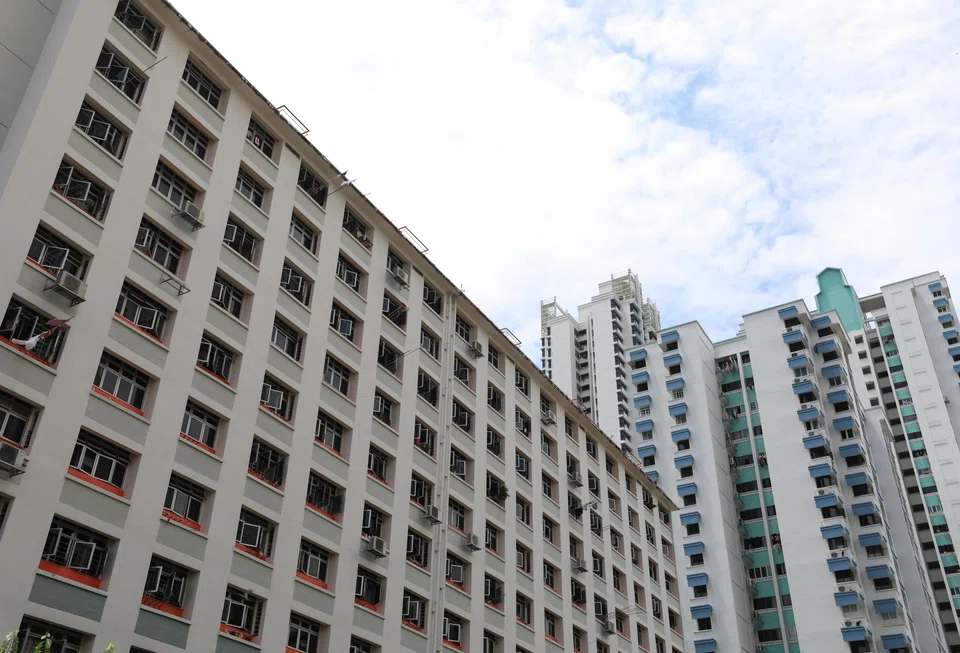
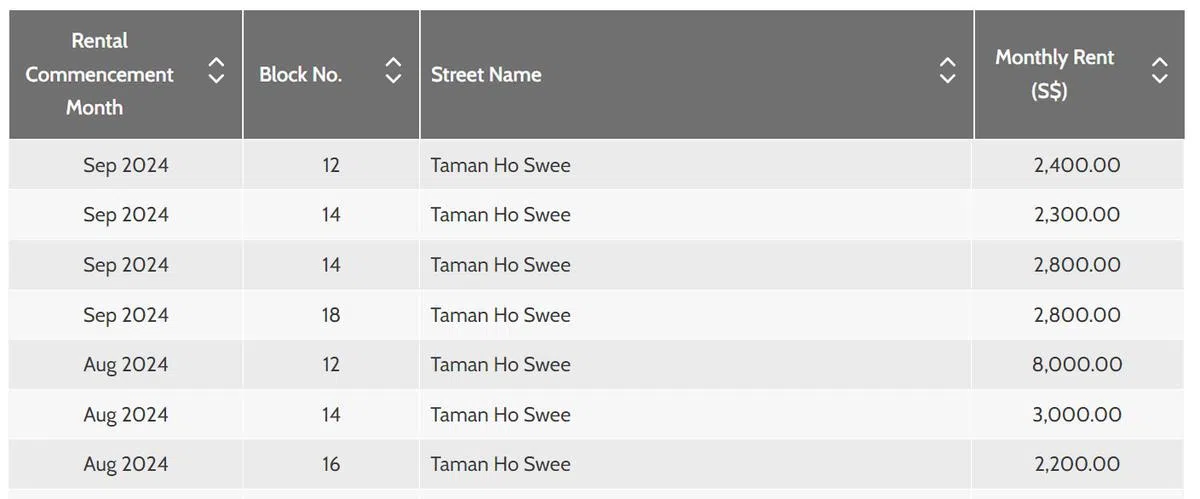
THE head-turning rental of S$8,000 a month for a three-room Housing and Development Board (HDB) flat in Bukit Merah turned out to be a “mistake”, and the record in the official database has since been amended to S$900 a month.
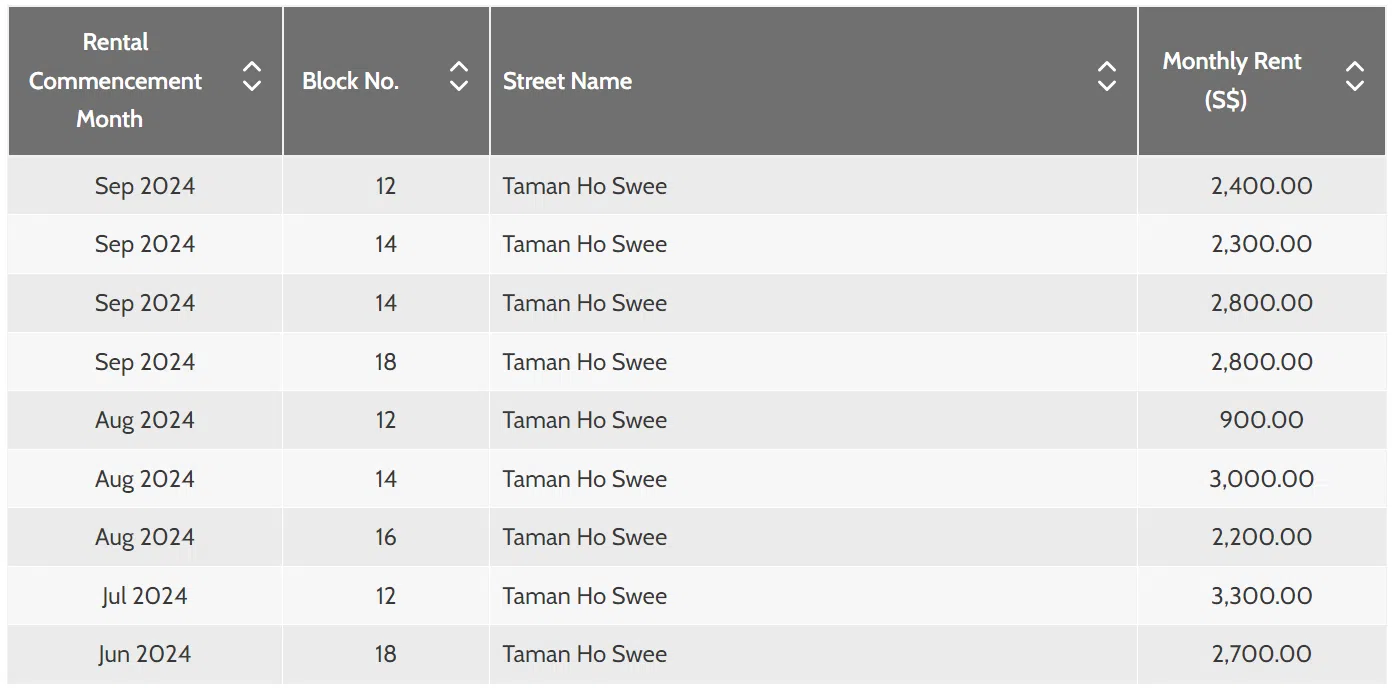
In response to queries from The Business Times, HDB said: “Upon further checks, the owner clarified that a typographical mistake was made in the application form, listing a rental rate of S$8,000 per month for the entire flat, instead of S$900 per month for a single bedroom rental, as intended.”
BT had earlier reported that the anomalous figure turned up in data on rentals signed in August, and was recorded in the HDB’s rental market statistics.
News of the transaction at a Taman Ho Swee flat in Bukit Merah raised eyebrows earlier this week, as it would have set a record for the priciest rent for a public housing flat.
At S$8,000 a month, the tenancy would have been signed at almost treble the monthly median rent of S$2,970 for three-room flats in the area.
The declared rent was on Friday (Sep 27) revised to S$900 a month on HDB’s publicly available database of market rental rates. These rates are based on rents self declared in the rental application forms and serve as a “reference point for homeowners and renters”, said the agency in its statement on Friday.
Integrity challenge
The amendment does, however, raise questions about the integrity of the data entered into an official government database, said some analysts.
HDB provides rental market statistics and gives the median rent of flats in various locations with rental approvals. The information is given for tenants and owners to use “as a guide before entering a tenancy agreement”, said the agency on its website. This is so both parties can make an “informed decision”.
Figures given are “based on rent declared in the application forms and rounded off to the nearest S$10”.
BT understands that the figures are presented as indicative and HDB does not verify the accuracy of the data since the rental agreed is a “private matter between owners and tenants”.
But HDB’s e-service verifies homeowners’ eligibility to rent before the rental application can be put up on its portal.
The issue is that rental caveats shared on the database could be misleading, said one market analyst. Owners are allowed to upload the data themselves without HDB verifying entries against a tenancy agreement.
“If there are no checks and balances, that means in reality, many could be under-declaring the real rental rates,” said the analyst.
It would also be possible for agents to nudge landlords to mark up rents, to provide evidence to support negotiations with tenants, other observers said.
An alternative database for the HDB rental market is the SRX portal, which was established by a consortium of property agencies in Singapore. But data from SRX can sometimes vary from that of the government since the market is tracked differently, said the analyst.
Nicholas Mak, chief research officer at Mogul.sg, believes this is “risky for information transparency”, which is crucial for both analysts and the everyman. Anyone looking to rent a flat or a room depends on this information, including foreigners coming to Singapore with no clue on going rates, he said.
This one instance may be an outlier, but Mak emphasised that market transparency is still of utmost importance.
“The government wants a transparent economy, and providing accurate data is one way (of doing so),” he said. “That will also help prevent price gouging, with landlords overcharging rents.”
Mak added: “In a way, this could help the government too. With more data, they can better finetune their policies.”
“Yes, they are going to need more resources to (provide more data and have someone verify them), but that’s part of governing a country. If we want to boast that we have a transparent system, this goes as part of the territory.”
TRENDING NOW

Once staunchly pro-China, Malaysian Chinese businesses are now distancing themselves from Beijing

Britain’s mansion tax shows the difficulty of targeting wealth

Three hats, one goal: How Ng Kian Swan runs sustainability at NUHS

COE review: The gap between luxury and mass-market cars isn’t the only one worth bridging

