

Sound reasons to ease rules on letting out homes for short stays
Some flexibility would enhance choice for visitors and earnings possibilities for homeowners

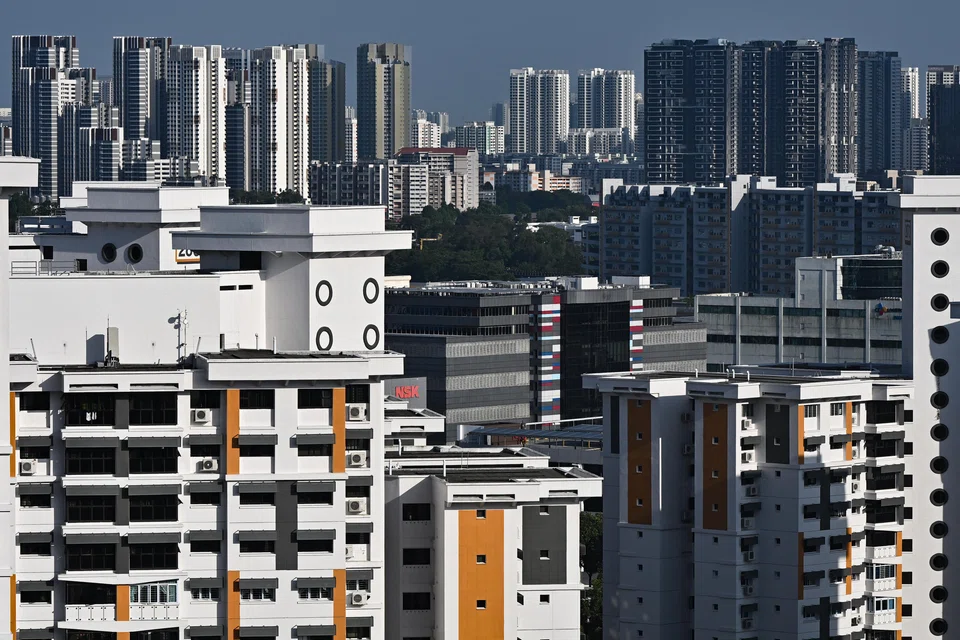
THINKING of letting out your home for a month to earn some extra income while you are out of town? Think again. It’s illegal.
The minimum stay duration for rental of private homes is three consecutive months, while tenants of Housing and Development Board (HDB) flats need to rent for at least six months.
In a recently released joint media reply on short-term accommodation, HDB and the Urban Redevelopment Authority noted that the minimum stay period for private homes minimises frequent turnover of transient occupants, which changes the residential character of a property, negatively impacts neighbouring residents, and could have effects on safety and security.
Regarding the longer minimum rental period for HDB flats, government agencies said this was due to the more compact nature and porosity of HDB estates.
Since 2019, 64 offenders have been fined for offering illegal short-term stays in private homes, while 15 have been prosecuted. Over the same period, seven offenders were fined for providing short-term rentals of HDB flats.
As it stands, options for stays of below three months in Singapore include hotels and serviced apartments. There is no minimum stay duration for the former, while the minimum duration for the latter is seven days.
While there is a wide choice of hotels, such accommodation could come with a stiff price tag. For the first five months of 2024, the average room rate (ARR) was S$285.18, up 5.6 per cent year on year. In May, ARRs for economy, mid-tier, upscale and luxury hotels were S$140.77, S$213.15, S$321.40 and S$651.19, respectively. A month’s stay at a fairly basic hotel might cost about S$4,000, assuming a daily rate of S$130.
The ARR for hotels here surpassed that of the pre-pandemic period in 2019. And room rates could continue increasing amid higher operating costs, healthy demand and Singapore’s continued growth as a tourist destination.
Perhaps, there are sound reasons to relax the minimum stay duration for tenants of private and HDB homes.
Greater choice
First, allowing homes to be leased for a couple of days or weeks expands choice for customers. This includes business and leisure visitors to Singapore, medical tourists, as well as locals who may be carrying out home improvement works.
Offering greater choice of short-term accommodation options to international visitors matters, as some people may skip visiting or cut their intended stay duration because of insufficient competitively priced accommodation options.
At the other end of the spectrum, an international celebrity or corporate bigwig visiting Singapore may like to rent a top bungalow in a prime district. Also, movers and shakers might want to splurge on staying at luxury homes when they are here for an event such as the Formula 1 Singapore Grand Prix.
Enhancing the range of short-term accommodation options can help sharpen Singapore’s competitiveness in drawing visitors amid fierce competition for tourists.
Second, expanding the range of short-stay accommodation options available can help Singapore grow as an events venue.
There are significant bumps to visitor arrivals when a major convention, exhibition, concert or sports event is in town. At such times, finding accommodation may be challenging and hotel room rates might be exorbitant.
Letting people lease out their homes for a few days is an effective way to meet event-driven spikes in demand for accommodation. Indeed, it appears a neat trade for some locals heading abroad to escape the hordes visiting for a concert to lease out their homes to international concert goers in need of accommodation.
Third, many local households have much of their wealth tied to owner-occupied homes. Giving owners greater flexibility in letting out their homes will enable them to work their homes more productively. With an ageing population and rising cost of living, it’s vital that the growing number of retirees can generate income from owner-occupied homes more effectively.
Moreover, a home is put to optimal use when, say, a retired couple who is away for a month or two visiting family and friends, or on vacation, lets out their home to a tenant.
Fourth, letting out rooms in a home for short stays is a win-win for local homeowners seeking to grow a business from room letting as well as foreign visitors searching for a more local and personalised experience.
Think of locals who want to share about Singapore with visitors and those who want to experience living in our famed public housing estates. Indeed, Singapore’s soft power may be boosted by high-quality interactions between local homeowners and overseas visitors.
Managing externalities
Sure, some externalities are created when tenants occupy HDB flats or condominium units for short durations. Think of the frequent popping up of new faces in one’s block of flats or movement of suitcases in and out of lifts or heavier usage of the condo’s swimming pool. Nonetheless, there are ways to manage and mitigate said externalities. For example, cap the proportion of homes in an HDB block or a condo development that can be used as short-term lets.
Also, make homeowners who benefit from renting out part or all of their homes as short-term lets contribute more towards the management and upkeep of common amenities in a particular development or block of flats.
In a condo development, extra funds contributed by homeowners who lease their units for short stays may be welcomed by other homeowners amid higher management and utilities costs. Some of the extra monies collected can even be used to help fund capital expenditure.
Furthermore, a homeowner looking to rent out his home for short stays will likely be motivated to help ensure his occupants cause minimal disturbance to neighbours.
Doubtless, living in densely populated Singapore requires much give and take. Still, examples abound of people from diverse backgrounds coexisting happily as neighbours in HDB and condo blocks.
With adequate safeguards, letting tenants stay in HDB homes for less than six months and private homes for under three months benefits those seeking short-term accommodation as well as homeowners.
TRENDING NOW

ComfortDelGro appoints two new independent directors

Once staunchly pro-China, Malaysian Chinese businesses are now distancing themselves from Beijing

NoonTalk needs continued financial support from CEO Dasmond Koh, auditors warn

DP Architects sets the benchmark for sustainability disclosure and design

