Singapore buyers could indirectly benefit from Australia’s property ban on foreigners: analysts
The move could reduce competition in the new property market, benefiting those interested in off-plan purchases

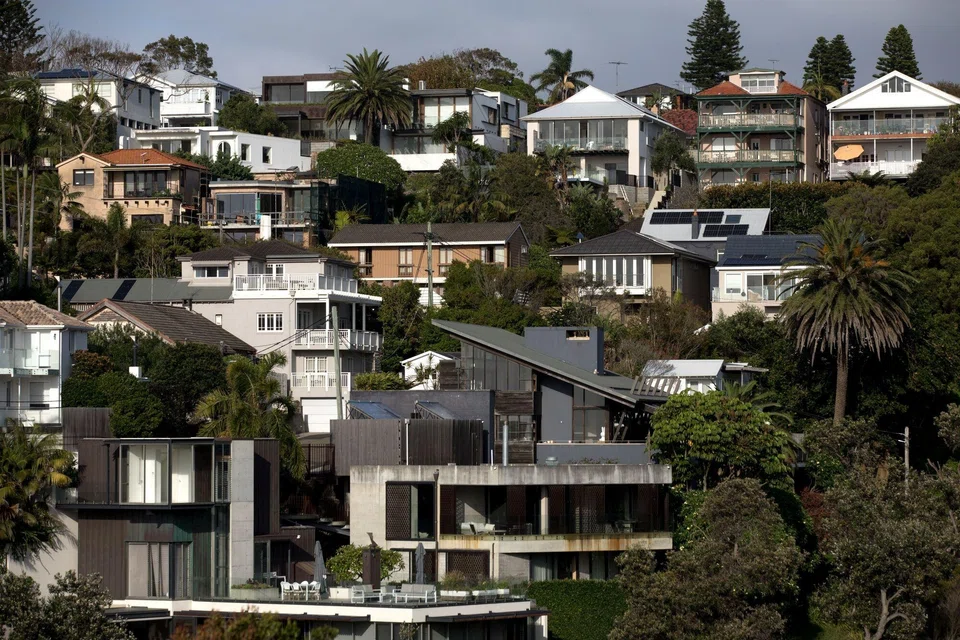
AUSTRALIA’S government will ban foreign investors from buying established houses for the next two years, but Singaporean investors are not likely to be affected or deterred by this development, said analysts.
In fact, some could indirectly benefit from this cooling measure by way of a secondary impact on the new home sales market, they added.
From Apr 1, foreign investors will be banned from buying established property until Mar 31, 2027, said Australia’s Housing Minister Clare O’Neil in an election pitch to tackle surging home prices. The restriction will then be reviewed to determine whether it should be extended. Established property refers to resale homes.
The government will also crack down on land banking by forcing foreign investors who buy vacant land to develop it within a reasonable period of time.
Housing prices are steadily rising in Australia. A Bloomberg report showed that housing values in Sydney have increased by nearly 70 per cent over the past 10 years, with the median price now around A$1.2 million (S$1 million).
But Singaporean investors should face limited impact from the ban, Darien Bradshaw, head of residential development sales Australia at JLL, told The Business Times.
Although JLL does not have specific figures for Singapore buyers, he noted that data from the Foreign Investment Review Board shows that foreign buyers account for only about 5,500 to 6,000 purchases a year in Australia.
The majority of these transactions have been for new properties as foreign buyers have long been restricted primarily to off-plan purchases, Bradshaw added.
Ruben Koh, Savills’ senior director and head of international residential sales, noted that there may be special cases, such as when foreign buyers work or study in Australia and have attained certain visa requirements that deem them as residents.
As a result, JLL’s Bradshaw believes that the policy change should “primarily affect” this group of buyers. But even so, foreign buyers on temporary work or student visas across all nationalities account for only about 1,800 transactions in 2022 and 2023, he pointed out.
“For Singapore investors, who have traditionally focused on new properties, the impact should be negligible,” he said.
“If anything, this move might slightly reduce competition in the new property market, potentially benefiting Singapore investors interested in off-plan purchases.”
His sentiment was echoed by Knight Frank Singapore’s head of residential and private office Nicholas Keong, who said that the new restriction will help “shape buyer behaviour”, making “off-the-plan properties a preferred choice”.
Without disclosing data, Keong noted that many Singaporean buyers initially acquire off-plan properties for personal use.
But over time, these homes transition into long-term investments, “allowing owners to benefit from rental income and potential capital appreciation”.
With the two-year ban, however, Keong said families that intend to buy a property in Australia would “need to start planning their objectives ahead of time, catering sufficient time for the new project they select to be built”.
But for Singaporean and foreign investors looking to add Australia properties to their investment portfolios for rental income and long-term capital appreciation, it is status quo as they look at new developments rather than existing dwellings.
He also expects activity in Australia’s property rental market to increase following the restriction, which “bodes well for investors” who lease out their homes.
Will the secondary market cool?
Market watchers are mostly sceptical about whether the two-year ban could ease property prices.
“I can’t see the latest cooling measure – a pause on foreigners buying existing homes – having any meaningful impact on pricing,” said Adam Ross, associate director of McGrath Estate Agents.
This is because foreign buyers of existing dwellings account for a small percentage of total established sales, he pointed out.
A property survey by the National Australia Bank noted that total foreign buyers made up around 4 per cent of total established sales in the third quarter of 2024. In comparison, foreign buyers accounted for 7 per cent of total new property sales in the same period.
Meanwhile, Otto Twist, South-east Asia director of international residential sales at Savills, is hopeful that the new measures will cool Australia’s resale and secondary market.
“Given the supply constraints in Sydney in particular, we are seeing a flight to quality on new stock that is released into the market from Asian investors,” said Twist.
“Our buyers are looking for properties that can withstand market turbulence and remain an attractive place to live. With the recent measures in place, we can still predict prices here to rise between 4 to 5.9 per cent,” he added.
But rather than foreign demand, JLL’s Bradshaw highlighted that the surge in prices has been caused by a lack of housing supply.
Over the past decade, Australian dwelling prices have surged 77 per cent, mainly due to supply constraints, he said, noting that the policy change is “part of a broader strategy to address housing supply shortages in Australia”.
“The weak Australian dollar may continue to make Australian property attractive to foreign investors, but this policy aims to direct that investment towards new construction, potentially helping to address supply issues in the long term,” he noted.