

Singapore property groups chase yields overseas with big bets on rental housing
Japan remains popular; Australia, China and UK popping up on radar

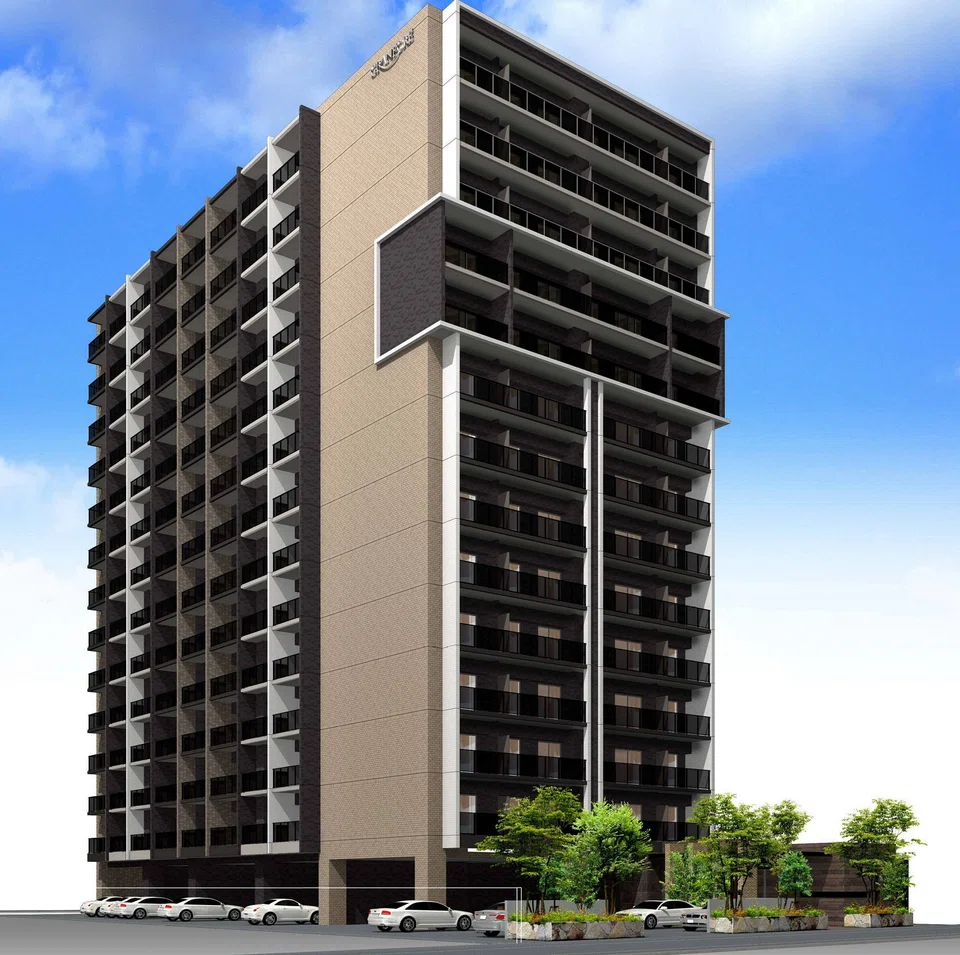
SINGAPORE’S property companies are betting big on rental housing overseas, lured by high yields and tight residential supply in these overseas markets.
Investments in rental housing properties could also boost recurring incomes for these property groups and give them a foothold in a rapidly developing sector.
Japan has long been a popular rental market, but property companies are also looking for opportunities to build or invest in rental-housing assets in Australia, China and the UK.
City Developments (CDL) announced in September that it had invested in 25 freehold residential assets for 35 billion yen (S$317.4 million), marking its first foray into Tokyo’s rental-housing market.
A CDL spokesman said the group’s expansion in the global living sector complements its expertise and is in line with its strategy to grow recurring income.
The spokesman said: “Our track record and inherent expertise in property development, asset management as well as hospitality will make the living sectors a natural fit for CDL as an investor, an asset owner and an operator.
“Additionally, there is strong growth potential in this sector due to increased labour mobility and the growing popularity of renting.”
Serena Teo, chief executive of the managers of CapitaLand Ascott Trust (Clas), noted that rental properties in Japan typically serve guests from the local corporate and long-stay segments.
Clas has a portfolio of 23 rental housing properties. It has 2,900 units in Japan, in gateway cities such as Tokyo, Fukuoka, Hiroshima, Osaka and Sapporo. In Q2, Clas completed its acquisition of Granfore Hakata Waterfront in Fukuoka.
The trust is set to complete one more turnkey acquisition of a rental housing property with 258 units in Fukuoka in 2024.
Teo said Japan’s demand-supply dynamics are positive as locals move into urban areas.
“Some regional cities, including Osaka, are also expected to attract more relocations on the back of mega-scale projects and events such as the Expo 2025,” she added.
Joachim Kehr, Asia-Pacific head at CenterSquare Investment Management, a real estate investment company, noted that Japan, unlike other developed markets, has maintained low interest rates in hopes of boosting inflation: “Yields in Japan are low, between 3 and 4 per cent, but debt costs are even lower, at less than 1 per cent; and for the foreseeable future, it is unlikely the cost of debt will rise.”
Hunting down under
Australia’s build-to-rent (BTR) housing sector received a boost when the government announced in April it would halve the withholding tax rate for newly constructed residential BTR projects after Jul 1, 2024.
The change means foreign investors from some countries – including Singapore, the UK, and the US – will pay a 15 per cent withholding tax rate, down from 30 per cent.
Australian developer Lendlease has begun constructing its first BTR project in Australia, in partnership with QuadReal Property Group. The 443-unit apartment building in Brisbane is expected to be ready for occupancy in late 2025.
Singapore developers may soon follow suit. Emily Relf, Asia-Pacific head of living sectors at Knight Frank, said the consultancy has been advising more Singapore developers on Australian opportunities.
She drew a comparison between Australia and the United Kingdom, where BTR units rose from about 11,000 in 2015 to about 82,000 in 2023.
“I think Singapore developers see the growth potential in the UK that Australia will replicate, and even exceed. So they see an opportunity to get into that market at this early stage,” she said.
While residential values rose 3.9 per cent on a national basis in Australia, residential rents jumped 17.6 per cent, Relf said, noting that high interest rates and Covid-related construction delays have led to a tight housing supply in Australia.
Benett Theseira, the Asia-Pacific head at asset manager PGIM Real Estate, said the high cost of buying a home and strong immigration fuelled the demand for rental housing.
House prices are about 10 times the median household income in Sydney and Melbourne, he said.
In September, PGIM Real Estate announced it is expanding its rental-housing portfolio in the Asia-Pacific.
It formed a joint venture with a property developer to develop approximately 600 apartments for rent in Sydney and Brisbane, and another with a rental apartment operator in China to acquire a 19-storey apartment building in Shanghai.
China promise
Market pressures in China have created “selective opportunities for us to buy more cheaply”, said Theseira.
“We can buy at much more attractive prices than pre-pandemic. In China, interest rates are coming down. That makes it an interesting investment proposition for us.”
Eu Chin Fen, chief executive of Frasers Hospitality, said there is also growing rental demand among Chinese: “Lifestyles have changed a lot, and therefore renting as a lifestyle instead of owning is becoming more and more accepted among younger people in Tier 1 cities in China.”
In May, Frasers Hospitality announced the acquisition of a 325-unit premium rental apartment building in Shenzhen, China, through a joint venture with US-based real estate company Tishman Speyer. This is its first premium rental apartment acquisition in China.
Eu said: “We are on the lookout for suitable acquisitions to grow our premium rental apartment segment, which is a natural progression and extension into other hospitality asset classes, to deepen our presence and widen our reach within key gateway cities.”
DBS analyst Derek Tan said developers’ expansion into BTR represents an expansion from hospitality into the broader living and lodging segment.
Recurring income will help build portfolio resilience, Tan said, although he added that the “size of these acquisitions is likely to be more niche, and unlikely to be a major part for now, in terms of exposure”.






