

Singapore retail rents up 0.5% in Q3 as market picks up pace

Ry-Anne Lim
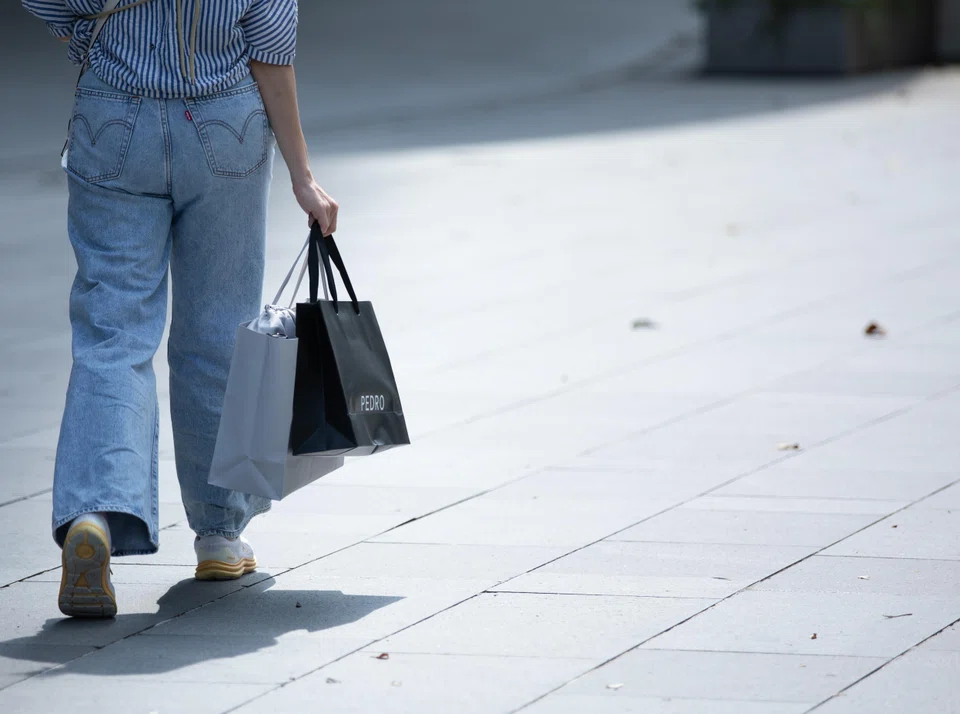
RENTS of retail space in Singapore’s central region edged up by 0.5 per cent in the third quarter of this year, extending the 0.3 per cent increase in Q2, as the tourism sector recovered further and retail activity picked up pace.
Figures released by the Urban Redevelopment Authority on Friday (Oct 27) showed that prices of retail space in the central region increased by 0.6 per cent, following a 0.3 per cent growth in Q2.
“The central region retail market is riding on the recovery in visitor arrivals and expanding return-to-office crowds,” said Wong Xian Yang, head of research for Singapore and South-east Asia at Cushman & Wakefield.
Net demand in the downtown core, for instance, grew by 118,403 square feet in the third quarter – the highest in the last three and a half years, he said.
The rise in rents comes despite growing macroeconomic uncertainty and follows an increase in retail sales, added Tricia Song, CBRE head of research for Singapore and South-east Asia. Sales were, in turn, supported by tourism spending and boosted by the F1 race and consumers’ discretionary purchases, she said.
Islandwide, as at end-Q3 this year, there was a total supply of around 600,000 square metres (sq m) gross floor area of retail space from projects in the pipeline – some 35.7 per cent more than the 442,000 sq m in Q2.
The vacancy rate of retail space across the island dipped to 7.2 per cent as at end-September, falling marginally from 7.5 per cent as at end-June. This is also slightly less than the 7.5 per cent recorded in Q4 2019, pre-pandemic, pointed out Knight Frank head of research Leonard Tay.
Q3’s drop in vacancies came as the amount of occupied retail space decreased by 8,000 sq m. Total retail stock fell by 23,000 sq m in Q3, from the 18,000 sq m rise in the prior quarter.
Meanwhile, the vacancy rate for the Orchard planning area was 12.1 per cent and the central area outside Orchard was 8.6 per cent. This figure was 5.8 per cent for the rest of Singapore.
Anecdotally, Song noted that demand for retail space was mainly driven by food and beverage operators such as French patisserie Cedric Grolet and Chinese coffeehouse chain Luckin Coffee.
“Several pop-up stores also took up space in the quarter, including Tag Heuer Motorsports Experience which was centred around the F1 race.”
Tay highlighted that Singapore’s crisis management during the pandemic also brought positive attention to the city-state, “enhancing its status as a fundamentally safe and well-managed ecosystem, especially for investors looking for a stable base for business operations and growth opportunities”.
Looking ahead, analysts believe that Singapore’s retail market will pick up further amid the tourism recovery. This is particularly so with the return of Chinese tourists, said Wong. In Q3, China regained its spot as Singapore’s top source of inbound tourists, with 581,000 arrivals, which is albeit still 44 per cent lower than pre-pandemic levels, he said.
“With the increasing visitor arrivals, the remaining three months of 2023 will likely see the retail market consolidating the improvements achieved since Singapore opened its borders, culminating in year-end activities to wrap up a largely positive and eventful year,” said Tay.
Still, some challenges lie ahead, noted Wong – namely higher labour costs, dampened economic sentiments and intensified competition for consumers. “Retail landlords are expected to hold on to their rental expectations amid rising operating costs. This would spur a change in tenants as some struggling retailers call it quits.”
Decoding Asia newsletter: your guide to navigating Asia in a new global order. Sign up here to get Decoding Asia newsletter. Delivered to your inbox. Free.
Copyright SPH Media. All rights reserved.
TRENDING NOW

Two Singapore-listed palm oil firms named in Greenpeace report on Indonesian plantation fires
Singapore Airlines flight returns to San Francisco after ‘unruly’ passenger incident
Singapore looking into which companies responsible for haze-causing fires: PM Wong
Deluge IPO 3.86 times subscribed ahead of SGX debut

