

Singapore’s ‘super-aged’ society needs more housing options – and soon
Options now range from nursing homes and assisted-living facilities to reserved public housing, but there is a gap between supply and ever-increasing demand

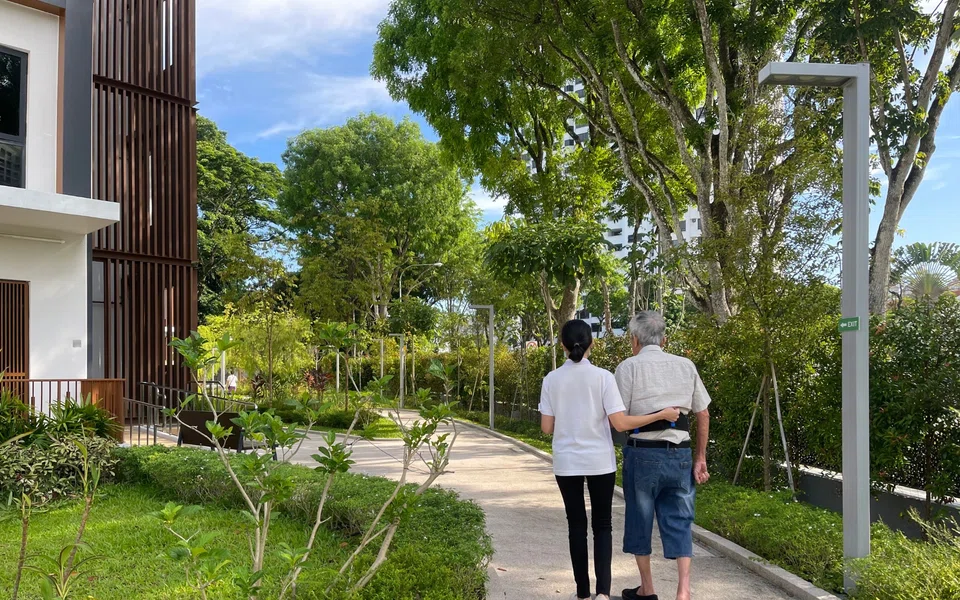
BY 2030, one in four Singaporeans will be over 65 years old. The demographic trend will put Singapore in the “super-aged” category along with other developed countries such as Japan, Germany and Italy, creating immediate challenges in developing housing that suits seniors in terms of space, income and care.
A range of options exist in Singapore today, from nursing homes and assisted-living facilities to reserved public housing. But there is a gap between supply and ever-increasing demand.
Chia Hui Xiang, a researcher at the National University of Singapore’s Lee Kuan Yew School of Public Policy, said: “In Singapore, the growing demand is for housing which meets the needs of seniors – for example, (those with) dementia, difficulties with activities of daily living, frailty – rather than the wants.”
She added: “The number of residents aged 65 and above living alone in Singapore rose from 58,000 in 2018 to 79,000 in 2022, and is expected to continue increasing.”
The Ministry of Health raised residential aged care capacity by 70 per cent from about 9,600 beds in 2010 to 16,200 in 2020. By 2030, a total of 32,000 beds will be required.
Bernie Poh, chief executive officer of Allium Healthcare, said: “This expansion highlights the increasing demand for long-term, high-care housing. Singapore’s ambitious plan to increase elder care centres to 220 by 2025, and to double nursing home beds to over 31,000 within the next decade underscores the urgency and opportunities in this sector.”
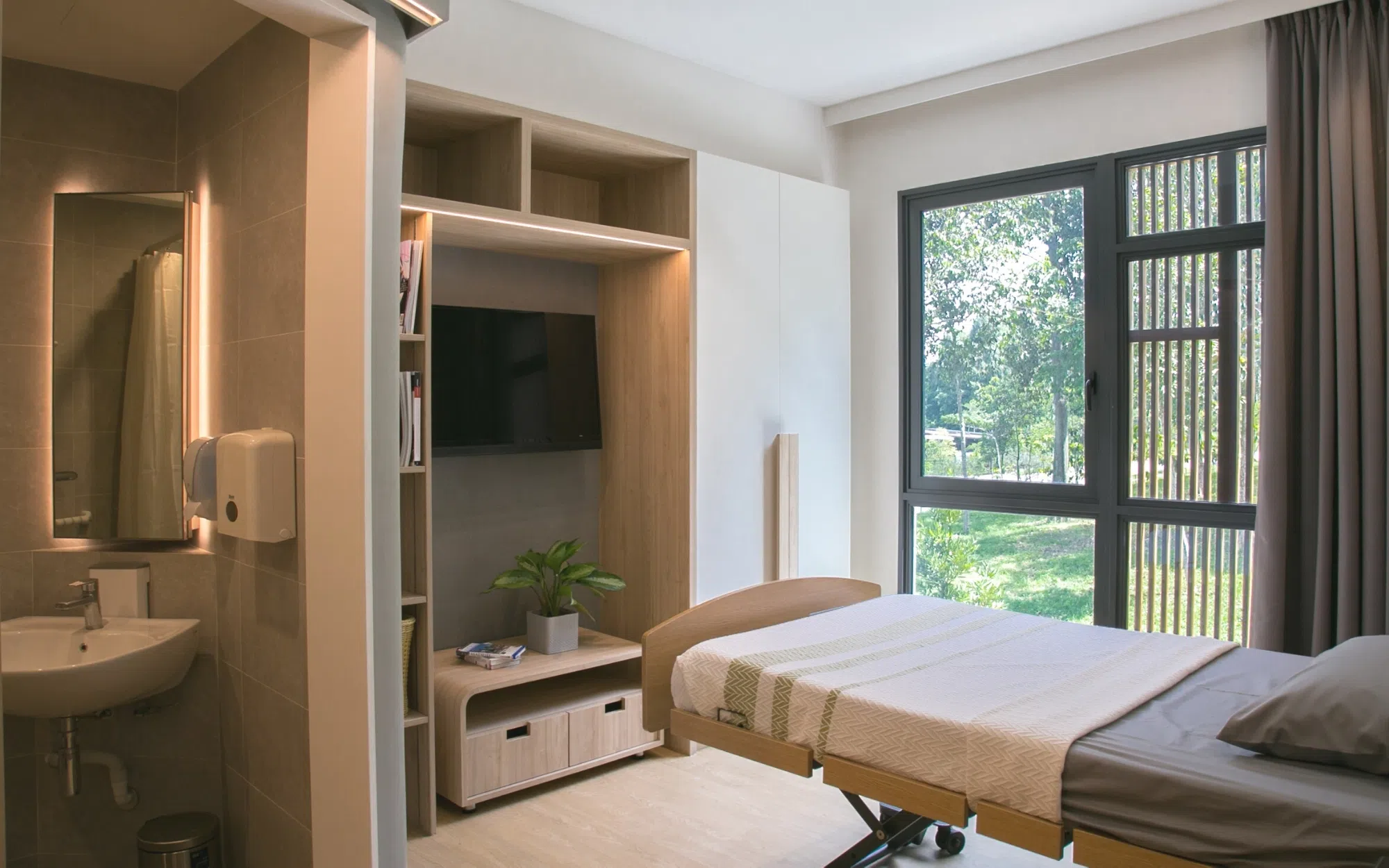
Allium built and operates a nursing home near the Venus Drive landed housing estate in Upper Thomson. Parked under its Allium Care Suites brand, this home is targeted at high-income customers, with rates starting at S$305 a day for a single suite, and S$420 per day for an executive one.
The government, cognisant of market needs, has commissioned a study on how different types of senior housing influence the quality of life for seniors. The real estate trade, also aware of the opportunities, made a concerted call for separate zoning for senior living in February to spur development.
Call for more assisted living developments
Listed group Keppel recently kicked off plans in China by opening the first outlet in what it envisions will be a regional chain of such facilities. The Sindora Living Nanjing Qixia in Nanjing is a 19,846 square metre (sq m) development acquired in December 2022, and fitted out as an assisted-living facility with 400 beds.
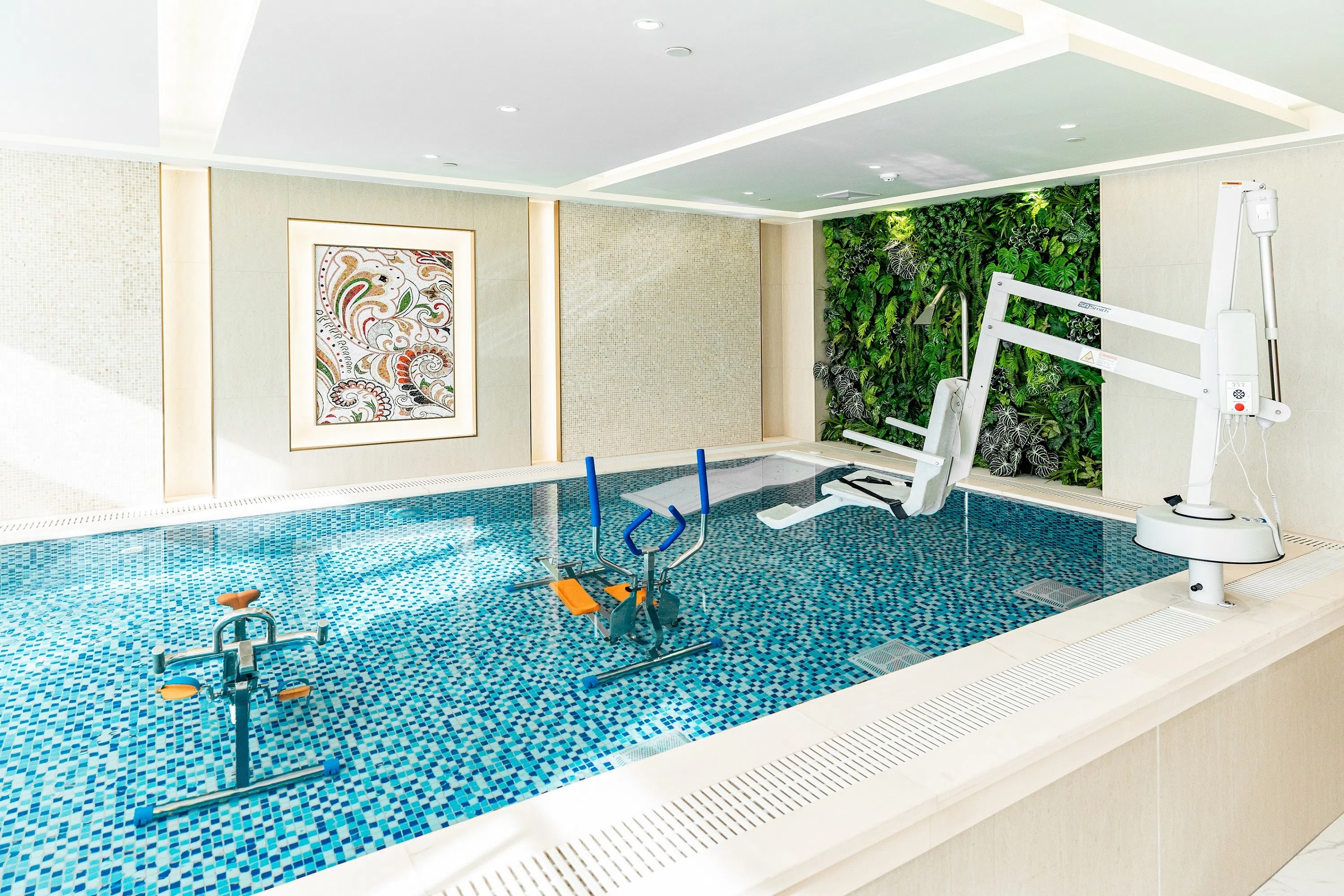
In the senior-living market, options available include ageing in place, independent living, assisted living, memory care, nursing homes, day-care and home-care services, said Louis Lim, chief executive officer of real estate at Keppel.
“The suitability of these options varies across markets; some of the key factors include needs, preferences and income levels of the elders and their families,” he added.
Keppel plans to open facilities in Singapore and is also eyeing the US market, where it acquired a stake in a US senior housing operator in 2020.
Janice Chia, founder and managing director of Ageing Asia Singapore, pointed out: “Currently, there is an abundance of nursing homes. Building more assisted-living facilities that are integrated with the community and which support intergenerational bonding will help seniors to stay socially connected.”
In engagements with seniors, the Urban Redevelopment Authority (URA) and Ministry of Health (MOH) found that most of them expressed a desire to continue their existing living arrangements, but with good access to healthcare facilities, URA and MOH told The Business Times.
“Some seniors have also shared their hope to see more health and social services better integrated with housing options, so that they can live independently as long as possible. The private assisted-living concept is one way to enable seniors to do so,” they said.
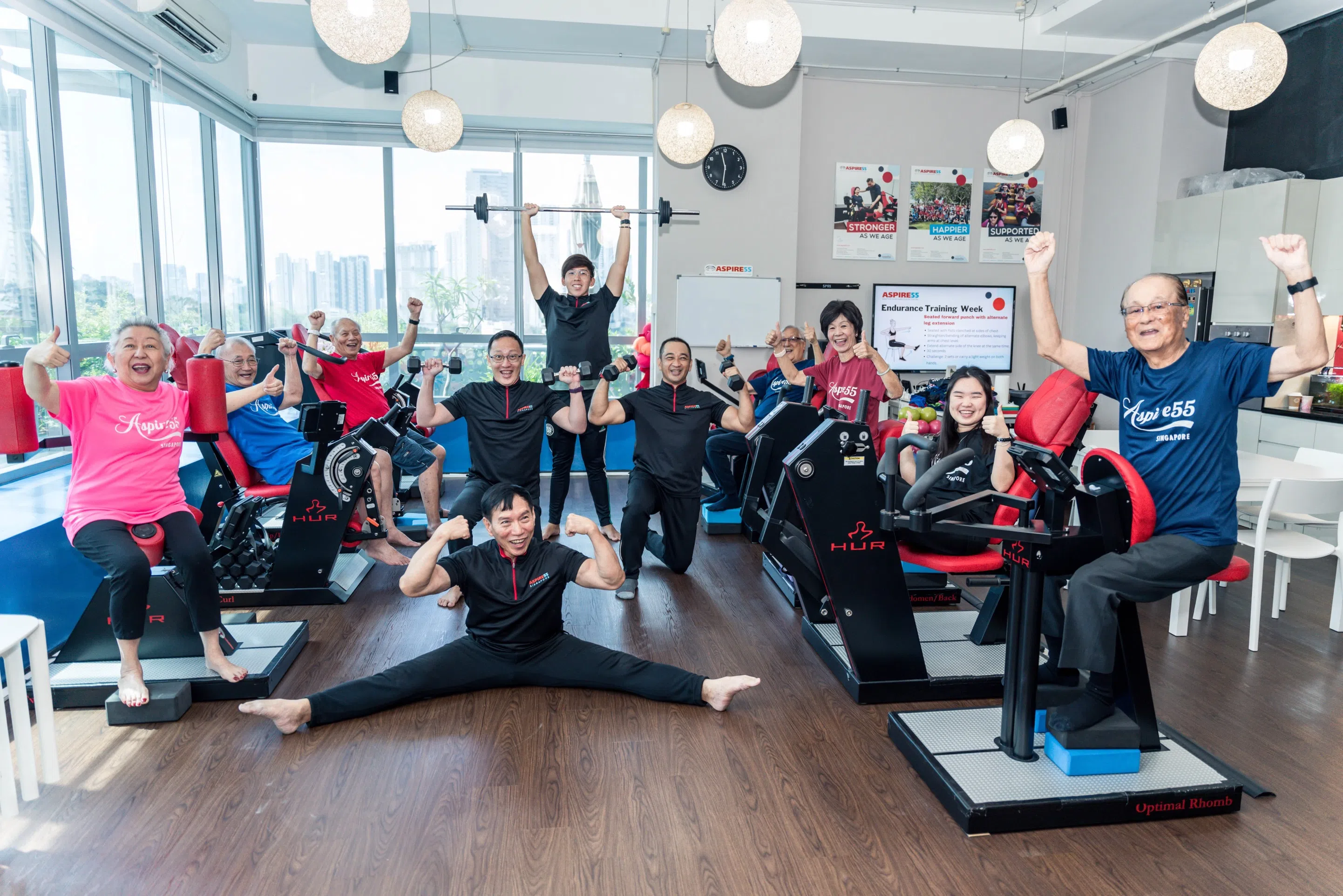
One site dedicated to assisted living has been sold so far, to Perennial Holdings. The 12,912 sq m site in Parry Avenue was awarded last June for S$71.9 million, and will house 200 residential units and 100 nursing home beds. Perennial has not unveiled pricing for the project, and did not respond to BT’s queries for this report.
Asked if more state land would be released for senior living facilities, URA and MOH said the government will continue to assess demand for such housing and monitor industry interest. “The planning and operational parameters of future private assisted-living sites will be assessed in tandem with the demand of and launch of such sites,” they said.
In 2019, a 28,000 sq m site was offered for a dementia-care village comprising 10 bungalows in Gibraltar Crescent in Sembawang. The sole bid of S$15 million, from Perennial and Orpea, an elderly-care services operator, was rejected.
Many have pointed out that with Singapore’s high land prices and costly labour, developments that require well-spaced out facilities and labour-intensive operations will be difficult propositions for developers.
The private sector would then end up building high-end senior living facilities to cover costs. This has led to a lack of lower-end to medium-range options for senior living in the private sector, said NUS’ Chia.
“To expand senior living in Singapore, the government needs to take the lead by providing more land for senior living, while the private sector works alongside the government to deliver these facilities,” she suggested.
The Housing and Development Board (HDB) should play a bigger role, said Kelvin Tan, head of programme at the Singapore University of Social Sciences (SUSS) SR Nathan School of Human Development.
“With the government being the biggest provider of homes for 80 per cent of Singapore, it will be a natural evolution of design from HDB to provide for older persons to live in such units,” he added. “Only HDB will have the means to provide affordable units for older persons.”
Sing Tien Foo, provost’s chair professor of real estate at the National University of Singapore (NUS) Business School, cited Kampung Admiralty as an example of a successful public housing model integrating social, healthcare, communal, commercial and retail facilities for the elderly.
The 11-storey development, designed by acclaimed Singapore-based architect Woha, was completed in 2017 with 100 residential units. It also houses a two-storey medical centre, a childcare centre, F&B offerings and a hawker centre. Flat prices ranged from S$91,000 to S$120,000 at the 2014 launch, which had about five applicants for every available unit. The flats are in two sizes: 36 sq m and 45 sq m.
The government’s second such integrated project for seniors, Heart of Yew Tee, was even more popular. The November 2021 launch was 10.7 times subscribed.
HDB has, since 2021, sold community care apartments (CCAs) in three small batches. These are in Bukit Batok, Queenstown and Bedok.
CCAs combine senior-friendly housing on shorter leases, with on-site services such as 24-hour emergency monitoring and response, basic health checks, home fixes and social activities. Buyers must be at least 65 years old. Prices range from S$54,000 for a 15-year-lease flat in Chai Chee, to S$124,000 for a 35-year-lease flat in Bukit Batok. A basic care package costs around S$2,000 a year.
HDB has also made available two-room flexi flats for seniors, sold on shorter leases. Prices range from S$94,000 for a 38 sq m flat in Marsiling, to S$378,000 for a 48 sq m flat in Tanjong Rhu.
Meanwhile, options have opened up in the co-living market. The Singapore Land Authority is hoping to nudge more operators in this direction with the leasing of state properties.
The senior-living segment is slowly growing, but regarded as a form of alternative asset, said Edmund Tie CEO Desmond Sim.
“In Singapore where land is scarce, private investors would want some stability in terms of returns; and public-private partnerships between the government and private sector are needed,” he said.
“There needs to be proper allotment of land, and I won’t be surprised that more sites in the future will be launched for such private assisted living.”
TRENDING NOW
Motoring tycoon Peter Kwee is back in court: Here are his previous legal battles

Demand, tech capabilities position Apac and AI as Skyscanner’s next growth frontiers: CEO Bryan Batista

Beyond the greenback, Vietnam’s big borrowers turn to Asian-currency bonds

Nvidia’s outlook cut to stable by Moody’s on governance concerns

