

Soaring Sydney housing may lead to city ‘with no grandchildren’
 Add BT as a preferred source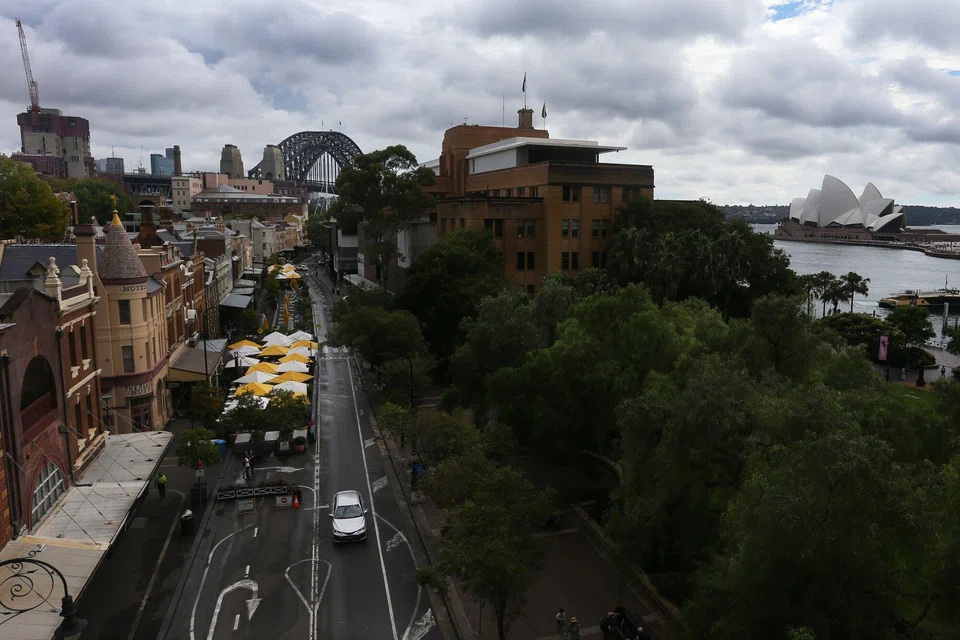
SYDNEY’S eye-watering house prices are driving an exodus of young families, and a failure to reverse the trend could see Australia’s harbour city become known as the place “with no grandchildren”, the New South Wales state productivity commissioner warned.
Between 2016 and 2021, Sydney lost twice as many people in the 30 to 40-year age group as it gained, highlighting the need for increased housing density, Peter Achterstraat said in a video on Tuesday (Feb 13) accompanying a new Productivity Commission report.
“Many young families are leaving Sydney because they can’t afford to buy a home. Or they can only afford one in the outer suburbs with a long commute,” Achterstraat said as he launched the report titled ‘What we gain by building more homes in the right places.’
“If we don’t act, we could become known as the city with no grandchildren,” the commissioner warned.
Australia is one of the least affordable countries in the world for housing as a combination of strong population growth, limited construction and a trend towards smaller households produces a massive shortfall of dwellings.
The problem is exacerbated in Sydney where there is strong opposition to high apartment blocks among local residents. That is at a time when a rebound in immigration means more than one million net arrivals in Australia over the next five years will need somewhere to live. Migrants tend to congregate in major cities such as Sydney.
Compared to global counterparts such as London, New York or Paris, Sydney has lower-density inner-city suburbs, which means there is ample room to grow upwards, the report showed. Achterstraat said he hoped to help shift Sydneysiders’ mentality from “Not in My Backyard” to “Appropriate Density in My Backyard”.
The report found that Sydney would have generated 45,000 additional dwellings without any extra land if buildings constructed between 2017 and 2022 had been an average of 10 stories high instead of seven. This would have seen prices and rents 5.5 per cent lower, leading to an annual saving of A$1,800 (S$1,580) for renters, Achterstraat said.
“We know from overseas that density done well provides benefits for households, communities, and the economy,” he said. “I’m confident we can make density work for us.”


Achterstraat also said it was time for a fresh discussion on heritage restrictions on housing close to the central business district. He pointed to the proliferation of Heritage Conservation Areas that limit new housing, affecting more than half of residential land in prime Sydney suburbs. This reduces the amount available for new housing near the city.
“We can preserve the gems of Sydney’s heritage without inadvertently freezing young people out,” he said. BLOOMBERG
Decoding Asia newsletter: your guide to navigating Asia in a new global order. Sign up here to get Decoding Asia newsletter. Delivered to your inbox. Free.
Share with us your feedback on BT's products and services
TRENDING NOW
Father-and-son duo Raj Kumar and Kishin in exclusive due diligence to buy Scotts Square

When every phone becomes a satellite phone, what happens to Asia’s telcos?
Koh Brothers Eco Engineering faces up to S$57.6 million in potential legal liabilities
Too little, too late? Manila’s billion-dollar bid to ignite its sputtering EV industry

