Swedish home prices drop the most since the financial crisis
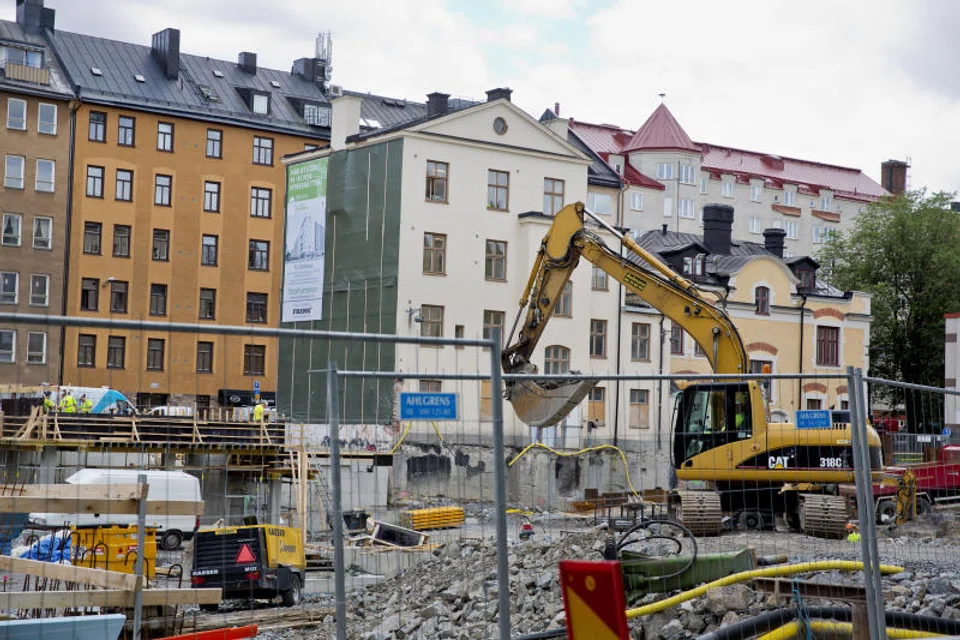
SWEDISH home prices fell the most in 14 years last month as the surging costs of living threaten to upend what has been one of Europe’s hottest housing markets.
In June, the HOX Sweden housing-price index decreased by 3.8 per cent from the previous month, which is the largest drop since October 2008. Prices in the country’s largest cities continued falling in the first 2 weeks of July, according to Valueguard, which compiles the index.
The drop comes as households are experiencing the largest price increases on consumer goods in 3 decades, and the Swedish central bank is responding by making it more expensive to borrow. The turnaround is dramatic in a housing market that has seen virtually unbroken price gains since the financial crisis.
“Pressure on housing prices is increasing from several directions,” real estate agency Erik Olsson said in a comment to the report. “High inflation, with price increases on food and other necessary goods leads to lower real wages, in combination with rising interest rates that increase housing costs. At the same time, people may give less priority to housing.”
After hiking its policy rate to 0.75 per cent last month, the Riksbank expects to take it to close to 2 per cent by the beginning of next year. The ensuing costs have triggered caution among homebuyers after the debts of Swedish households have ballooned at a pace that clearly exceeds any from the Group of Seven economies.
Values of homes in Sweden were 92 per cent higher in the first quarter versus 2010, compared with 40 per cent in the euro area, according to Eurostat. With the household debt exceeding 200 per cent of net disposable income last year, Riksbank Governor Stefan Ingves has likened dealing with the issue to “sitting on top of a volcano”.
The current decline comes despite a considerable housing shortage, with more than 200 of 290 municipalities reporting to the Swedish National Board of Housing that they have don’t have enough dwellings. Robert Bergqvist, a senior economist at SEB said that situation, combined with lower construction activity, could speak in favour of moderating price drops.
However, while a decrease in home-building may buoy prices, “it is not good either for short-term or long-term prospects for Swedish growth”, Berqvist said in a tweet.
During the pandemic, price gains accelerated as Swedes who escaped the health crisis fairly unscathed economically, chose to invest more in homes, sending housing prices sharply higher. While prices remain more than 20 per cent higher than before the onset of the pandemic, the data released Wednesday (Jul 20) showed that the HOX index fell on an annual basis, for the first time since January 2019.


Nordea Bank analyst Gustav Helgesson said there is now a clear risk of a steeper decline than the 10 per cent drop the largest Nordic lender has forecast by the end of 2023, as housing supply is rising quickly and the number of transactions decreases.
“The downturn has so far been quicker and larger than we anticipated,” Helgesson said in a note. “The main reason is larger and quicker increases in interest rates than expected. Household sentiment is close to record lows and prices have fallen in line with households’ dramatically deteriorating home price expectations.”
From a peak in March, prices have now fallen 5.8 per cent nationwide and the decline has been especially pronounced in the capital, Stockholm, where prices have dropped by about 8 per cent, according to Valueguard’s data.
As prices continue to decline and mortgage rates increase, a main concern is the effects on consumption. Sweden’s financial supervisory authority, FI, earlier this year estimated that if prices decline by 30 per cent from 2021 levels and the average mortgage rate rises to 7 per cent, just shy of 5 per cent of new lenders would find themselves in negative cash flow while the value of their loans would exceed their homes’ worth. BLOOMBERG
Decoding Asia newsletter: your guide to navigating Asia in a new global order. Sign up here to get Decoding Asia newsletter. Delivered to your inbox. Free.
Share with us your feedback on BT's products and services