

Swedish home prices end 2023 on a low as economy clouds outlook
 Add BT as a preferred source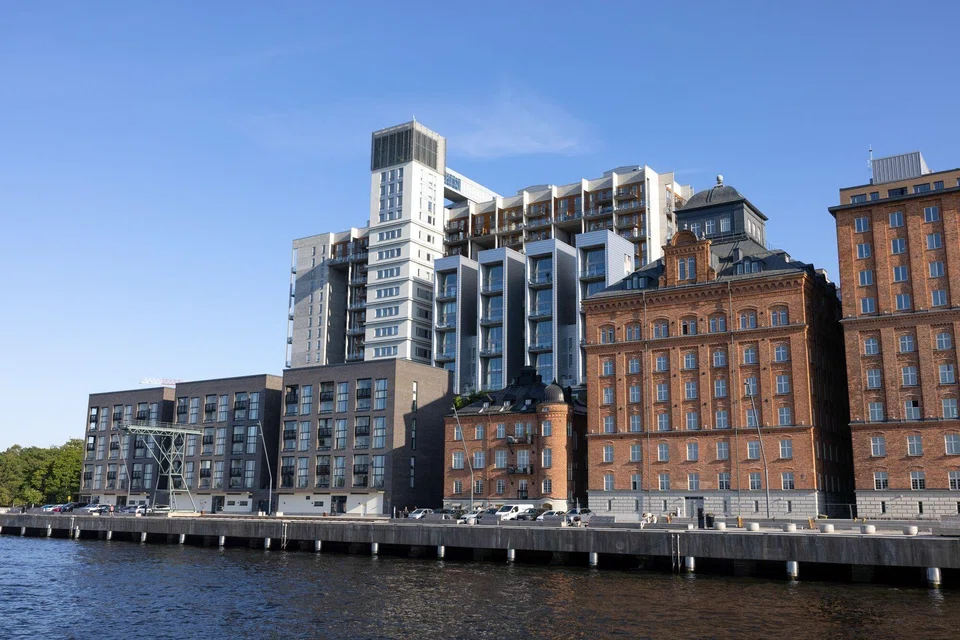
SWEDEN’S housing market weakened further in December, undoing gains made earlier in the year as an economic slowdown dampened hopes of a recovery.
Prices of detached houses as well as apartments fell by 1 per cent last month, according to data from Svensk Maklarstatistik, owned by property brokers. The change implies that valuations of single-family homes ended the year slightly lower than a year ago, while apartment prices rose somewhat from the end of 2022, when Sweden experienced one of the worst housing-market routs in the developed world.
Forecasters are divided on what to expect, as the possibility of lower borrowing costs could support demand, at the same time as a weakening economy with rising unemployment rates may thwart any near-term price recovery.
“There are factors that speak in favour of a turnaround, as well as against,” Oskar Oholm, chief executive at the realtor association, said in a statement. “There is a large pent-up need for moving, and we are likely at the interest rate peak, which helps households make long-term plans.”
After leaving its benchmark interest rate unchanged at 4 per cent in November, Riksbank officials have signalled that they see little need to tighten further, and economists at most domestic banks expect a string of rate cuts to begin in May or June. At the same time, increasing costs for developers have led to a sharp downturn in housing construction, which should limit supply in the coming years.
The average price of private homes now stands about 16 per cent lower than at a peak in April 2022, according to a separate index published last week by state-owned lender SBAB. While that means prices in nominal terms remain higher than before the onset of the Covid-19 pandemic, the development is more dramatic when adjusting for inflation.
Navigate Asia in
a new global order
Get the insights delivered to your inbox.
“People who bought an apartment in 2015 or a detached house in 2016 have seen no value increase whatsoever when considering the high inflation rate,” SBAB chief economist Robert Boije said in a statement. “And for those who bought at the peak in spring 2022, the nominal price drop, combined with inflation, has led to a large drop in real-term wealth that will take a long time to recover.” BLOOMBERG
Decoding Asia newsletter: your guide to navigating Asia in a new global order. Sign up here to get Decoding Asia newsletter. Delivered to your inbox. Free.
Share with us your feedback on BT's products and services
TRENDING NOW

From hawker stall to Enterprise Award winner: How Han Keen Juan scaled the Old Chang Kee empire

Haidilao co-founder’s family buys second bungalow in Cluny Hill for S$85 million

Yeo’s, Tiger Beer and now Gardenia – flight of food manufacturing from Singapore might be just as planned
Ban on land sales, new launches for developers that deliver ‘defect-ridden’ projects

