

Sydney house prices may have bottomed as supply stays tight
 Add BT as a preferred source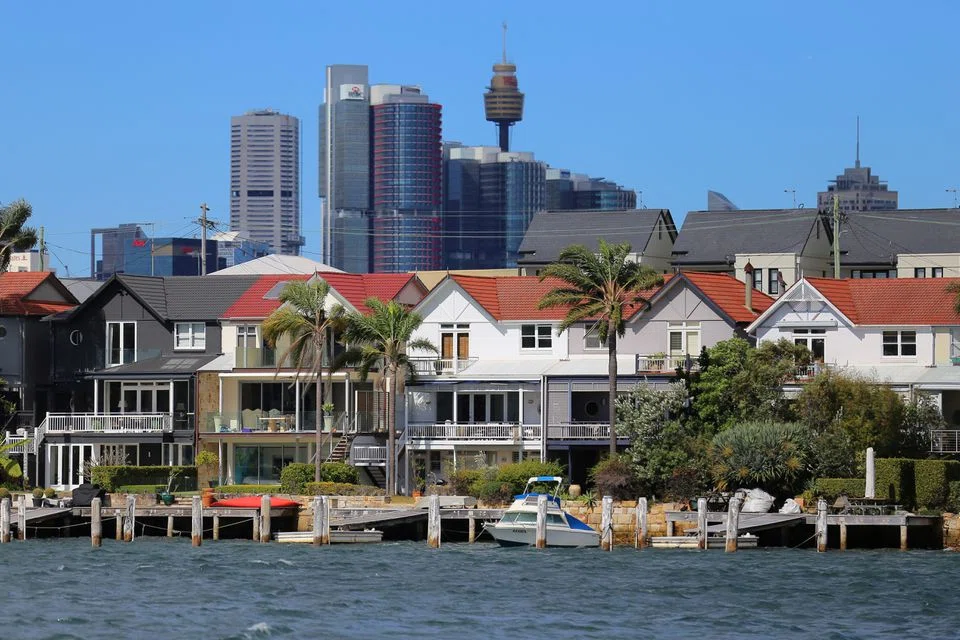
HOUSE prices in Sydney – a bellwether for the Australian real estate market – may have found a floor as a home shortage and the central bank’s rate-hike pause stem declines, based on a report by Bloomberg Intelligence (BI).
Housing supply remains tight due to increased population growth, declining new home and apartment completions, as well as reduced listing volumes as sellers hold out until the market stabilises, BI analysts Mohsen Crofts and Jack Baxter said in the report. Still, they said Australia’s property recovery is likely to be muted in 2023 as affordability constraints continue.
Sydney posted the biggest monthly price gain at 1.4 per cent in March, followed by Melbourne and Perth, resulting in a 0.8 per cent increase for Australia’s major cities, data from property consultancy CoreLogic showed earlier this month.
Signs that Sydney prices may have bottomed will be welcomed by the Reserve Bank of Australia (RBA), which is trying to engineer a soft landing while reining in inflation. The RBA’s move earlier this month to pause tightening after 10 consecutive hikes further supports the real estate market.
Financial market pricing implies the RBA is all but done with rate hikes, while economists expect at least one more increase to 3.85 per cent in May.
The median home value rose across all capital cities in March as buyer demand returned at depressed price levels, BI said. Pent-up demand is expected to support home values across Australia, particularly in 2024, it said.
High-value houses in Sydney rose the fastest in March at 1.9 per cent month-on-month growth, followed by 1 per cent for medium-value properties and 0.6 per cent at the low end, James McIntyre, an economist at Bloomberg Economics, said.
Rental squeeze
Australian capital cities need residential construction activity to remain high to ease pressure on the critically tight rental market, BI said, adding that the dynamic of low building approvals due to high mortgage costs and weakening developer confidence was likely to continue until 2024.
“Capital city rents will keep rising through 2023 as vacancy rates approach 1 per cent due to population growth and supply constraints,” the report said. “Apartments face the tightest squeeze from an increasing population and will likely see rent growth outperform that of detached houses.”


Meanwhile, BI said variable mortgage rates may have peaked at 5.5 per cent in March, assuming the RBA keeps rates on hold. Increased competition for home lending could spell persistent pressure to discount, it said. BLOOMBERG
Decoding Asia newsletter: your guide to navigating Asia in a new global order. Sign up here to get Decoding Asia newsletter. Delivered to your inbox. Free.
Share with us your feedback on BT's products and services
TRENDING NOW

Singapore Kitchen CEO, senior manager charged with alleged fraud, falsifying accounts; both to stay in jobs for now

Profit with purpose: Kim Choo Kueh Chang’s pivot from public listing to protecting heritage
HSBC, AIA, Prudential shares slide after report of Hong Kong bank account curbs

How the ultra-rich buy property

