Sydney housing slump creates pandemic-sized hole in state tax take
Tax revenue from home sales dives more than 20% in August
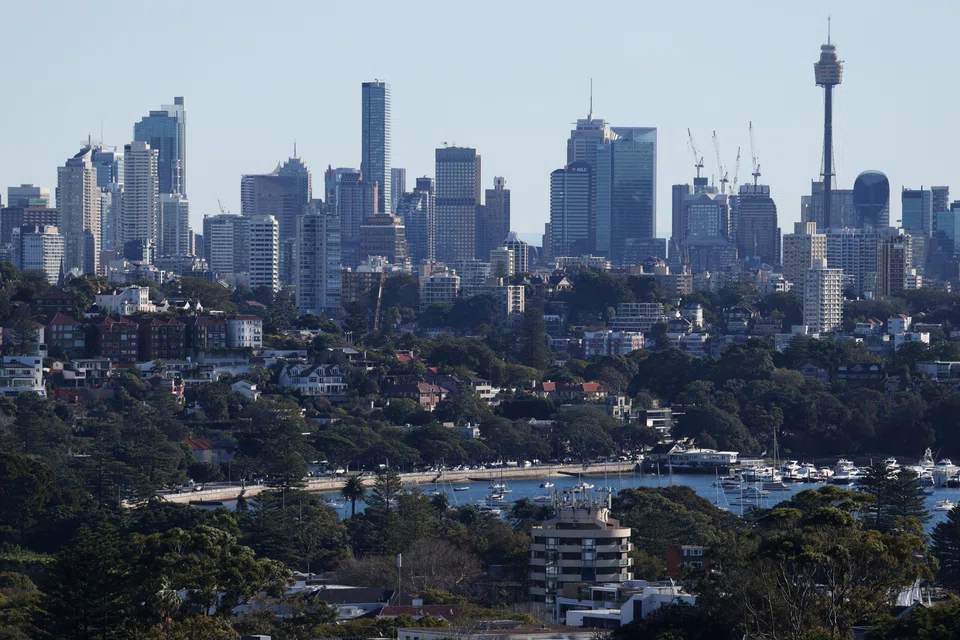
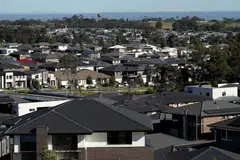
[SYDNEY] The Australian state of New South Wales, home to one of the world’s most expensive housing markets in Sydney, saw tax revenue from home sales dive more than 20 per cent in August, the lowest monthly intake since the Covid-19 pandemic.
The slump in revenue – known in Australia as stamp duty – is part of a broader downturn as higher borrowing costs and tax changes chill buyer demand, curb property transactions, and threaten to punch a hole in state government budgets.
Surging global bond yields are compounding the strain by pushing up debt-servicing costs for state governments.
Data from Revenue NSW showed that the government collected A$631.1 million (US$449.7 million) from residential property transactions in August, down 24 per cent from a year earlier as sale volumes tumbled 18 per cent. That marked a third month of declines and was well off a peak of nearly A$1.1 billion made late last year.
Overall revenue in August was salvaged by an unexpected 135 per cent surge in the non-residential sector, helped by data centres and renewable energy projects.
Yet, with interest rates likely to rise further and the housing market set for a protracted downturn, the state is bracing for a A$5.3 billion hit to stamp duty receipts over the next four years.
Andrew Lilley, chief rates strategist at Barrenjoey, expects stamp duty receipts from home sales to fall 28 per cent this year, a hit of roughly A$2 billion to state coffers.
“It’s not problematic, it’s not urgent, but it’s just a further erosion of fiscal capacity that could otherwise be used for either lowering taxes or for capital expenditure in the long run,” Lilley said.
Housing is a highly charged political topic in Australia, where home ownership is considered a way of life.
Prime Minister Anthony Albanese’s popularity has been sliding in opinion polls, as opposition parties and homeowners blame the government’s policies for the decline in house prices.
The housing slump was in part driven by the Reserve Bank of Australia (RBA), which has raised interest rates three times this year to a post-pandemic high of 4.35 per cent. On top of that, proposed tax changes by the federal government in May all but froze demand by ending generous discounts for new property investors.
The policy was designed to help first-home buyers enter the market, but the three rate hikes have reduced borrowing power, leaving many buyers wary of catching a falling knife as the prospect of another rate increase looms.
National house prices have already fallen nearly 4 per cent from their peak, led by Sydney and Melbourne where values are down over 7 per cent. Data from Cotality showed property sales were down 15 per cent from a year earlier.
“I think that the level of turnover is going to soften a bit more, and we’re going to see further declines in prices,” said Diana Mousina, deputy chief economist at AMP.
A growing number of economists are tipping a peak-to-trough fall of 10 per cent in house prices nationwide, which would be the biggest in three decades. HSBC has forecast a 13 per cent drop if interest rates rise two more times.
Markets imply an 84 per cent probability the RBA will lift rates a fourth time at its next policy meeting on Sep 28 to 29, with rates seen peaking either at 4.85 per cent or 5.1 per cent. REUTERS
Decoding Asia newsletter: your guide to navigating Asia in a new global order. Sign up here to get Decoding Asia newsletter. Delivered to your inbox. Free.
Share with us your feedback on BT's products and services