London’s Barbican was once called ugly. Some residents think a new office tower is worse
The once-divisive housing complex is now considered a masterpiece. Residents are fighting plans for a 20-storey building next door
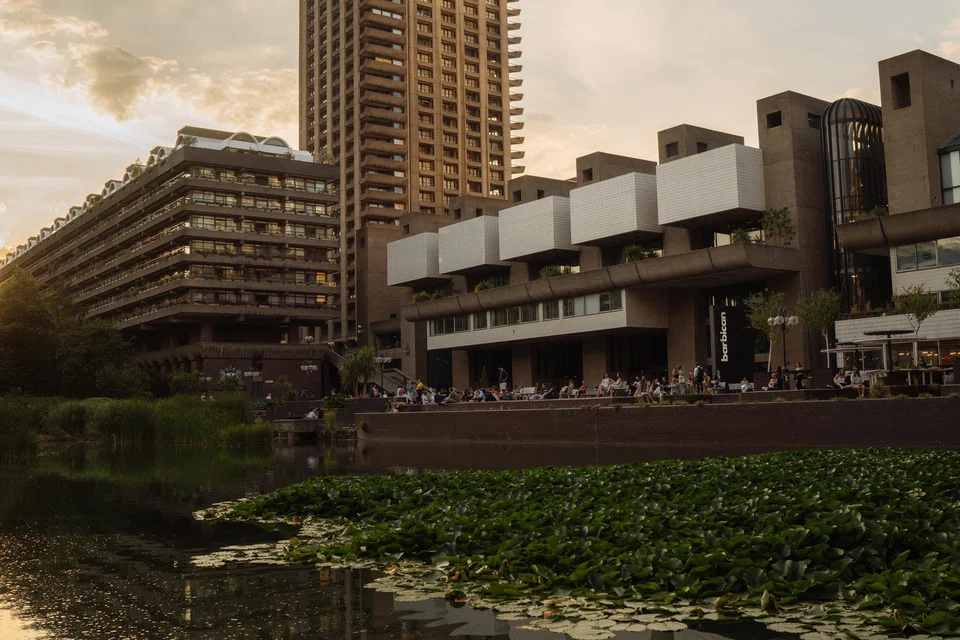
[LONDON] Loved by fans, loathed by critics, the Barbican housing complex has divided opinion since it rose from the bombed-out ashes of central London after World War II.
When architects first proposed the high-density, concrete development in the mid-1950s, the brutalist design was radical, with raised pedestrian walkways, triangular towers and serrated balconies. In 2003, respondents in one survey voted the complex the country’s ugliest building.
But the 40-acre site, which includes 2,000 apartments, a theatre, an art gallery and an artificial lake, has come to be seen as a masterpiece. The complex won protected status in 2001 in recognition of its architectural significance. Its prime location and cultural cachet are reflected in property prices. A three-bedroom, 1,100-square-foot apartment is on the market for about US$2 million.
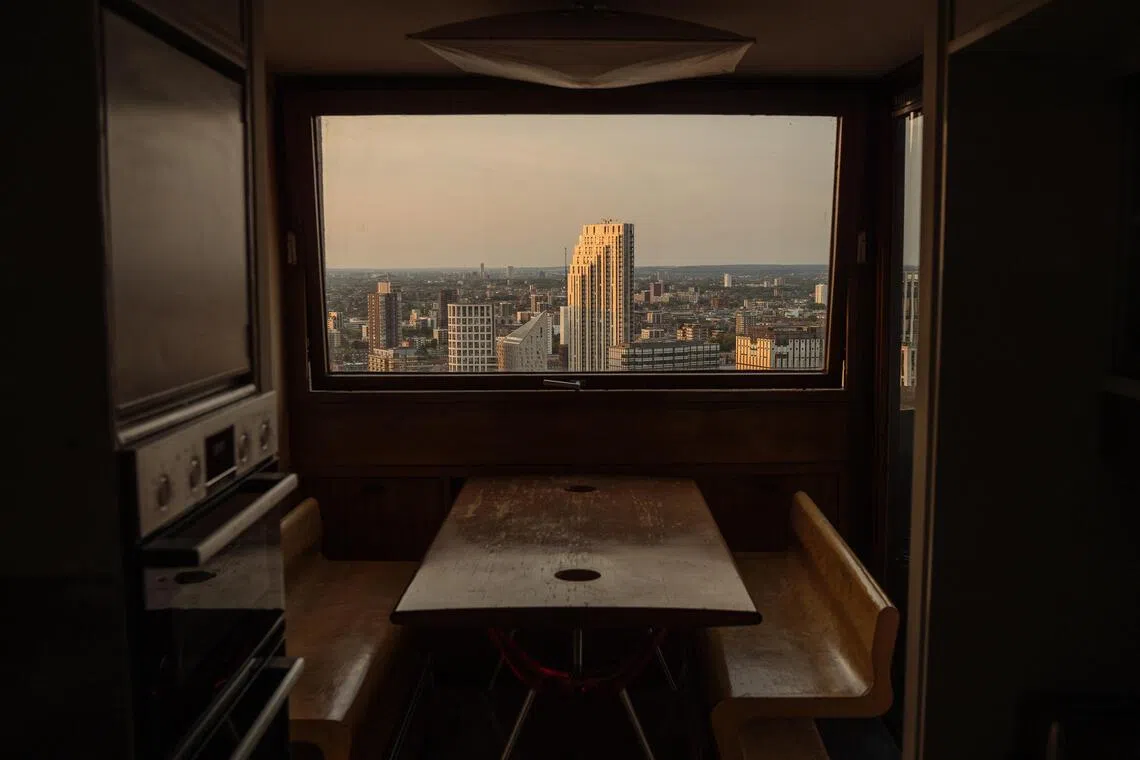
With the Barbican now an established part of the city’s heritage, the tables have turned. Some of its 4,000 residents are battling against the construction of a 20-floor office building on the site’s perimeter, which they say will overshadow their homes, block out light and disrupt London’s skyline.
The dispute has stirred debate about the quality of buildings springing up across London’s skyline and about finding the right balance between heritage conservation and urban growth.
“It steals light. It’s overbearing. It’s overlooking,” said Jan-Marc Petroschka, chair of the Barbican Association, a residents’ group, referring to the proposed office building, which is known as One Silk Street. An architect by profession, he has lived at the Barbican for more than two decades.
Petroschka pointed out that he does not oppose the redevelopment of the existing 1980s office building on principle – he praises some other new buildings nearby – but sees the latest proposal as an inferior design that prioritises maximising floor space and profit.
One of the building’s developers bridles at that idea.
“I haven’t spent my life having an interest in architecture to produce a poor building,” said Stuart Lipton, partner at Lipton Rogers Developments, which is involved in the project. Lipton is a former chair of the Commission for Architecture and the Built Environment, a government building-design watchdog.
“For me, good architecture is good business,” he added.
Lipton argued that it would be a mistake to create a “timid” structure adjacent to something as unique as the Barbican. “You have to build something that is bold and contemporary,” he noted, “which honours the Barbican’s scale, its material seriousness, its public role – but contrast is key.”
The disagreement comes amid a far broader debate in Britain around why it is so hard to construct new buildings, with critics blaming byzantine planning restrictions, local bureaucracy and opposition from residents’ and environmental groups. The Labour government has tried to ease planning laws to tackle the housing shortage.
The office building next to the Barbican would have shops and cafes rather than housing. Critics of the project include sculptor and artist Antony Gormley, a native Londoner.
Since objections were first raised, the original design has been scaled back, with the west side reduced to 16 stories, from 20. The amended plans were approved in May, despite around 1,800 objections, at a fractious meeting of a planning committee of the City of London, the municipality that governs the area.
Objectors say they are considering a legal challenge.
The Barbican lies on the site of a Roman fort and a medieval Jewish cemetery, and includes a church, St Giles Cripplegate, where poet John Milton is buried and where English civil war leader Oliver Cromwell was married.
After World War II, with much of the area reduced to rubble by German bombing raids, local administrators faced a challenge to attract people back.
The answer was a futuristic experiment. The trio of architects who designed the Barbican, Peter Chamberlin, Geoffry Powell and Christof Bon, were influenced by modernist Le Corbusier. The Barbican would, the trio said, attract “young professionals likely to have a taste for Mediterranean holidays, French food and Scandinavian design”.
With car use booming, the structure was planned around a network of walkways above ground level intended to create a pedestrian oasis. Construction finally began in 1963, continuing until 1982, when the Barbican was opened by Queen Elizabeth II, who declared it “one of the wonders of the modern world”.
Not everyone was convinced.
Broadcaster Alistair Cooke dismissed it as a “cross between a medieval fortress and the worst of Le Corbusier”, and even some of its current residents admit they had doubts.
The Barbican’s exterior has featured in TV shows as well as in numerous music videos. Many who visit find the layout baffling. Some have found themselves lost, according to Trevor Kavanagh, a resident and former political editor of The Sun newspaper.
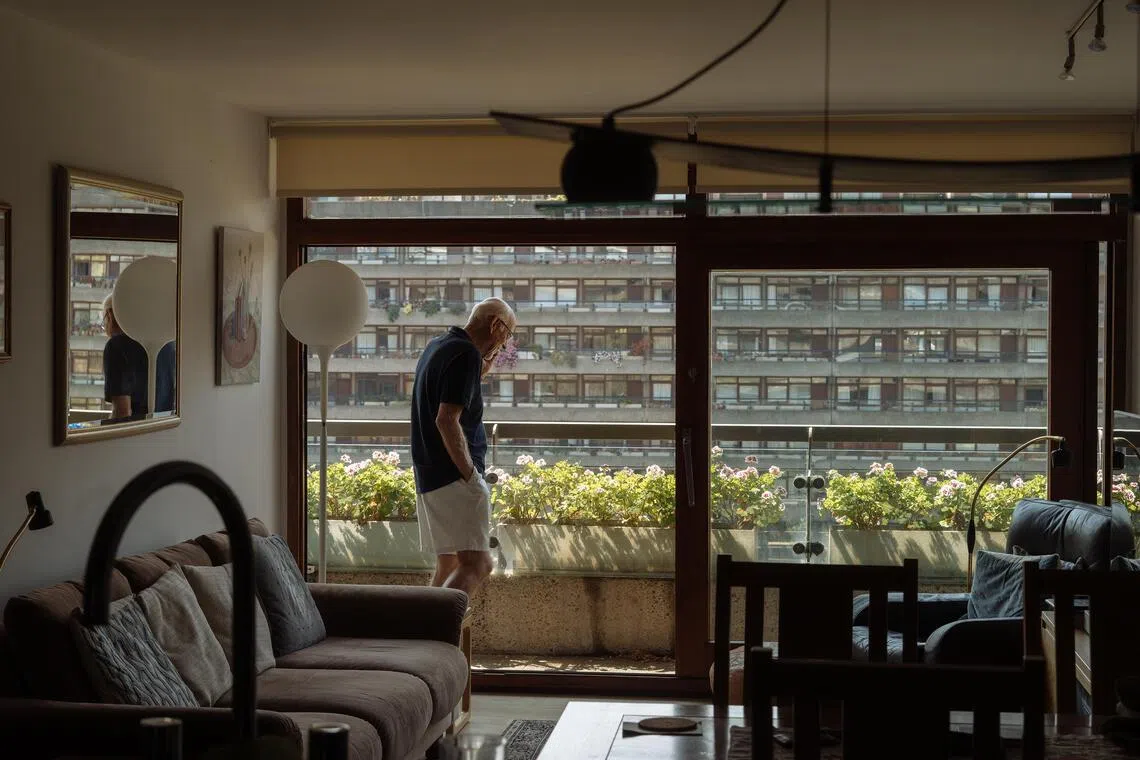
“There are people who have been in despair because they’ve got to be somewhere at a certain time, especially if they’re going into a show, and they can see the place they want to get to and time is ticking,” he said.
Kavanagh, who moved to the Barbican from Surrey, outside London, added that he loves the location, the cultural amenities and the gardens. He fears that the light in his bedroom will be “absolutely obliterated” by the office development.
Lipton acknowledged that the structure “will affect the light of a very small number” of residents but said that his firm had “worked incessantly on assessing daylight and sunlight.”
“In their own way, they are all decent,” he said of the objectors, “but in a growing city, buildings grow.”
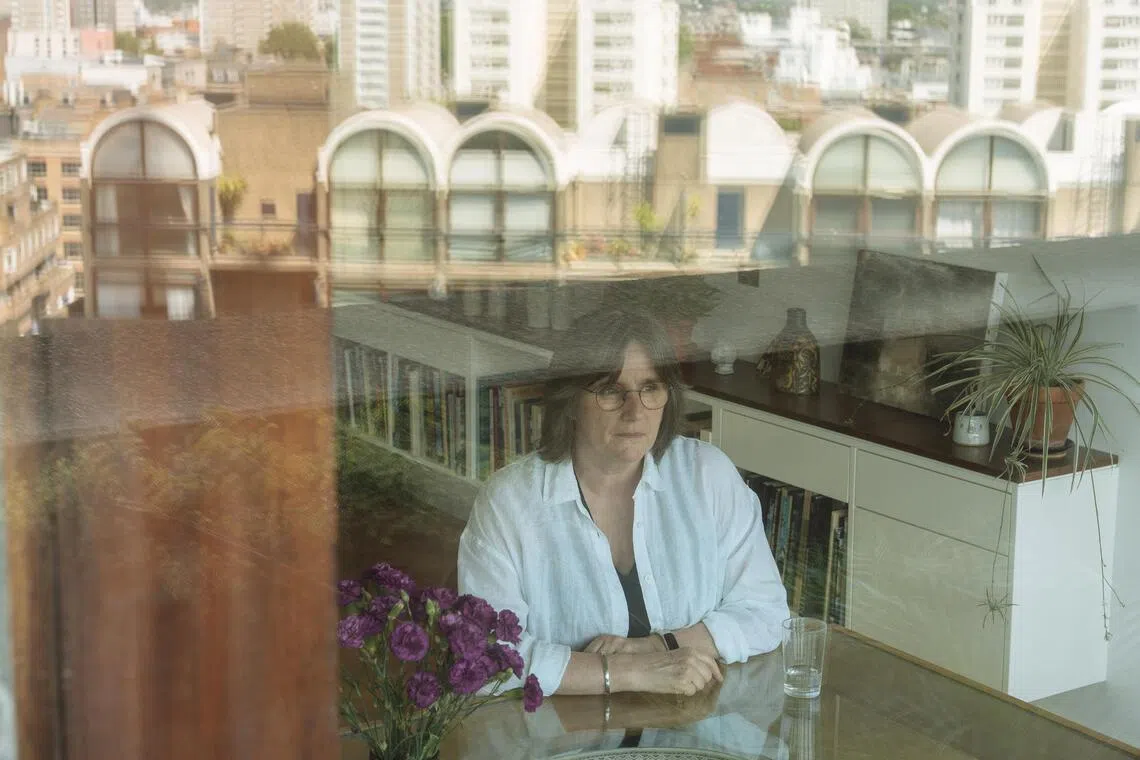
In one of the Barbican towers, Myra Stimson, a textile artist, and Paul Moriarty, a painter, both 65, said they moved to the building around four years ago after selling a house they had renovated in southeastern London.
Stimson added that she was determined to contest the office building. “As an artist,” she said, “to lose your light is catastrophic.” NYTIMES
Decoding Asia newsletter: your guide to navigating Asia in a new global order. Sign up here to get Decoding Asia newsletter. Delivered to your inbox. Free.
Share with us your feedback on BT's products and services