

Tiny apartment sales soar in world's priciest home market
Hong Kong
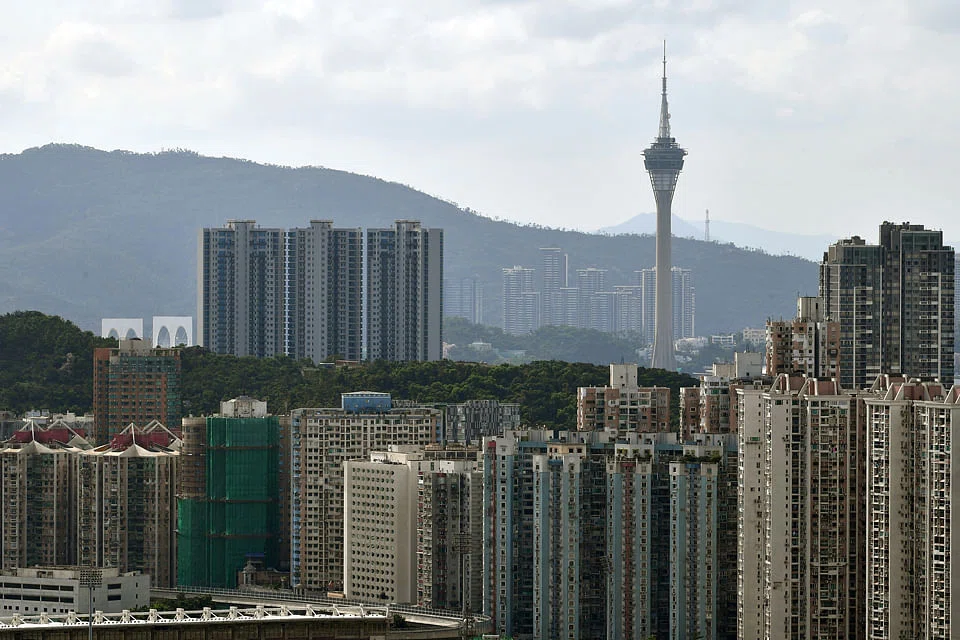
IN THE world's least affordable housing market, one in eight homes sold is a nano apartment, a term widely used to describe tiny homes in Hong Kong.
A record 13 per cent of apartments sold in 2019 were less than 260 square feet, or smaller than two car-parking spaces, said a report by Liber Research Community released on Monday.
These tiny units accounted for just 0.2 per cent of total sales in 2010.
Hong Kong's sky-high property prices have made it difficult for the younger generation to get on the housing ladder. The city's property affordability is the worst in the world, topping other housing hotspots such as Vancouver, Sydney, and Los Angeles.
Developers in recent years have turned to offering smaller homes to buyers so they can afford them.
Even though these tiny apartments can still fetch more than HK$5 million (S$849,035), they can barely fit the basic necessities.
Among the 8,550 nano apartments examined by Liber Research between 2010 and 2019, 85 per cent did not have a separate bedroom, and 70 per cent were lacking a window in the toilet. Almost all had an open kitchen.
Cramped living space has long been a problem in Hong Kong. Low-income earners have resorted to so-called coffin homes that are essentially just a bed space.
Some who cannot afford residential rents but prefer a larger space live illegally live in industrial buildings or container homes.
Henderson Land Development Co was the biggest seller of nano apartments, accounting for one-third of sales in the period, the report said.
Even though the city's economy has been under pressure during the pandemic, with unemployment climbing to a 15-year high, the property market remains resilient.
Home prices declined just one per cent in 2020, showed data from Centaline. BLOOMBERG
Decoding Asia newsletter: your guide to navigating Asia in a new global order. Sign up here to get Decoding Asia newsletter. Delivered to your inbox. Free.
Share with us your feedback on BT's products and services
TRENDING NOW

He built the Vingroup empire. Now South-east Asia’s richest man is handing some key roles to his sons

Despite the de-dollarisation debate, demand for dollar liquidity in Asia is growing
Can a first-time homebuyer couple earning S$18,000 a month afford a new EC unit?

Asia needs new energy security architecture

