

Trump’s 401(k) housing plan risks Americans’ retirement security
Some financial planners see an upside to providing more flexibility to would-be homebuyers
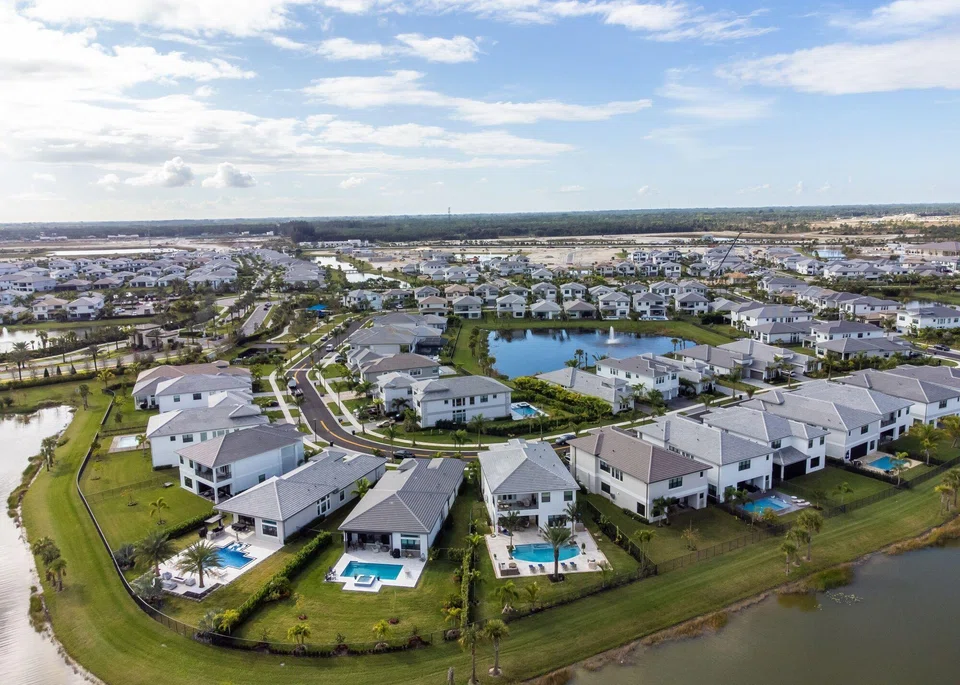
[WASHINGTON] US President Donald Trump’s new plan to boost home ownership risks leaving some Americans unprepared for retirement.
As part of an ongoing push to improve housing affordability, Trump is seeking to allow savers in 401(k) retirement plans to use some of their money for down payments on a home purchase, according to National Economic Council director Kevin Hassett. The plan will be unveiled next week at the annual World Economic Forum in Davos, Switzerland.
Details on how this would work are still being figured out, Hassett said on Fox Business News on Friday (Jan 16). Currently, savers are technically able to borrow or withdraw 401(k) money for home purchases, but such moves are limited and can involve fees or taxes, depending on the age of the saver.
Some financial planners see an upside to providing more flexibility to would-be homebuyers. Others warn of significant potential downsides to the programme. Taking out money from a retirement fund invested in stocks could have negative financial consequences, they say, and won’t help those with the greatest need, since employees who have access to 401(k)s and contribute to them tend to be wealthier.
Craig Toberman of Toberman Becker Wealth warned that such a programmeme would a trade-off between homeownership and long-term financial security. It could be a useful tool to boost a down payment, but employees should still consider current interest and mortgage rates and avoid drawing down too much money for a home that’s beyond their means.
“I’m generally positive on it, but with the caveat of ‘be careful,’” he said. “More tools in the toolbox are a good thing, but it’s about using them responsibly.”
Twin crises
The president’s proposal comes as Americans face a retirement savings crisis, with millions reporting a shortfall in money to live off as they age. At the same time, major cuts to Social Security benefits are on the horizon in the next decade if the programmeme is not reformed, giving retirees potentially even less money to live comfortably in their later years.
At the same time, high home prices and borrowing costs are also vaulting home ownership out of reach for many Americans, who end up renting for longer and forgoing the chance to build equity. That’s left advisers conflicted, especially given the lack of clarity on Trump’s plans.
SEE ALSO



Douglas Boneparth of Bone Fide Wealth said “details matter a lot,” such as whether the withdrawal would be penalty- and tax-free or a one-time option. He said his main concern is the long-term consequences of taking money out of a tax-advantaged vehicle to put into a primary residence, which he usually does not consider a retirement investment.
“Midterms are coming up, and it’s a headline that’s attractive to many people,” Boneparth said. “But without details, it’s just a headline.”
Existing options, such as the US$10,000 penalty-free withdrawal from an IRA for a first-time home purchase or borrowing against a 401(k), might be better, he said.
Financial planner David Haas of Cereus Financial Advisors worries about investors with inadequate retirement savings tapping the programme. Plus, savers can already borrow up to US$50,000 from their 401(k) and pay it back to themselves, so a better idea might be to raise that threshold to US$100,000 for a house down payment and index the limit to inflation, Haas said.
Limited benefit
While many advisers had mixed reactions to the plan, Catherine Valega of Green Bee Advisory was not a fan.
“How many people actually have access to a 401(k) and how many people contribute to their plans?” she said. “This is not really helping the people who need to be helped.”
The greater issue, according to Valega, is how to make housing more affordable on the supply side. Trump’s plan would likely benefit wealthier, older savers at larger corporate employers, she said. The small employer 401(k) plans she works with don’t even allow loans because of the paperwork involved, and balances tend to be low.
A home also does not have the same long-term potential for appreciation as assets like stocks, argued financial planner George Gagliardi of Coromandel Wealth Strategies. The long-term growth of real estate prices is mostly in line with general inflation, averaging only about 3 per cent, he said.
Plus, for many Americans, the issue isn’t the the down payment, said Uchechi Kalu of Greenlight Financial Planning.
“It’s having enough money for a mortgage because starter homes in big cities can be around US$1 million these days,” she said. “And when you add a mortgage, on top of expenses such as child care and student loan repayment, homebuying becomes out of the question.” BLOOMBERG
Decoding Asia newsletter: your guide to navigating Asia in a new global order. Sign up here to get Decoding Asia newsletter. Delivered to your inbox. Free.
Share with us your feedback on BT's products and services
TRENDING NOW

Government to bring forward raising of retirement age, give employers more financial support to create flexi-load jobs

If Europe goes to war, the fallout will be felt in East Asia

Indonesia stocks suffer worst plunge in nearly 30 years as MSCI proposes standalone status

Vietnam’s northern provinces, not Hanoi or Ho Chi Minh City, are powering near 10% GDP growth

