UK house prices resume decline with warning of headwinds
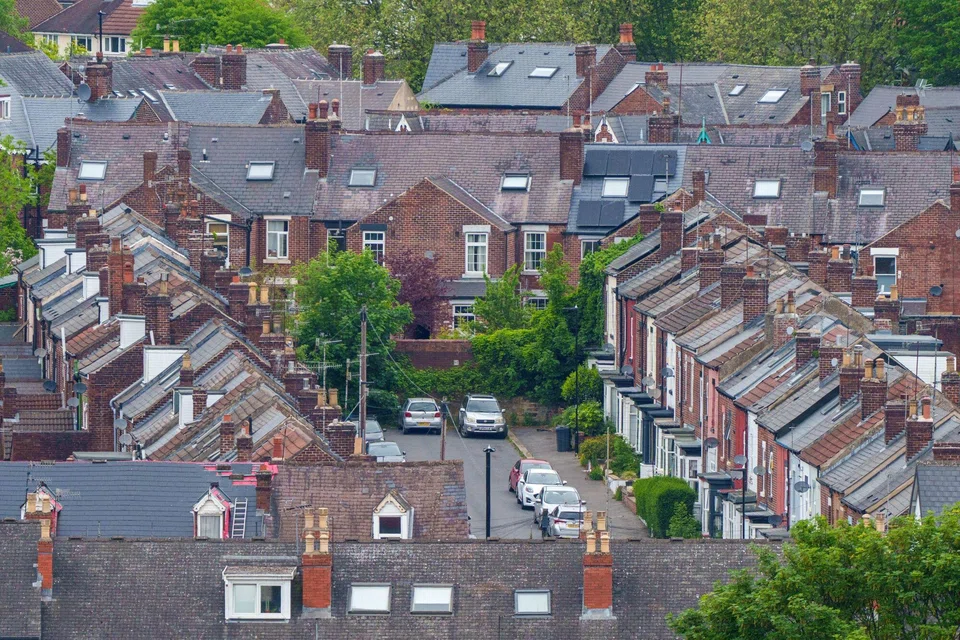
UK HOUSE prices resumed their decline, with mortgage lender Nationwide Building Society warning that headwinds for property sellers are increasing.
The mortgage lender’s measure showed that prices fell 0.1 per cent in May, after a 0.4 per cent gain the month before.
Borrowers are facing a sharp jump in mortgage costs after inflation remained higher than expected, prompting investors to bet that the Bank of England (BOE) will keep raising interest rates until this summer.
“Headwinds to the housing market look set to strengthen in the near term,” Robert Gardner, chief economist at Nationwide, said in a statement on Thursday (Jun 1). “Rates are also projected to remain higher for longer. If maintained, this is likely to exert renewed upward pressure on mortgage rates, which had been trending down.”
He projected a “relatively soft landing” for prices, because unemployment remains low and households have built up a financial cushion to weather the shock.
The annual pace of declines accelerated to 3.4 per cent from 2.7 per cent, putting the average value of a home at £260,736 (S$439,106), or about 4 per cent below its peak in August last year.
Despite the slip in national prices, estate agents said that demand in London – where property is most expensive – remained high.
“May saw a lot of activity in Central London with international buyers – in particular high-net-worths from the Middle East – coming to the capital in big numbers to take advantage of the recent softening of the market and invest here securely for the long term,” said Oliver Fish, director of London-based luxury estate agency Oliver James.
Landlords, meanwhile, were being forced to sell some of their property portfolio as mortgage costs rise. But Fish expected confidence to creep back to the market during the course of the year “as we adapt to an even more expensive rate environment”.

Despite the quickest series of rate rises in four decades, the impact of rising borrowing costs is just starting to hit the housing market. The BOE estimates that only a third of its rate hikes since December 2021, which have pushed the base rate up from 0.1 per cent to 4.5 per cent, have currently fed through into the economy.
Borrowers feel the impact when they go to refinance fixed-rate deals, with more than 1.3 million facing that pain this year.
For several months, Nationwide’s measure of house prices has shown sharper declines than rival lender Halifax. Even so, Halifax’s index fell for the first time this year in May, underlining the downward pressures hitting the market.
Despite the decline, house prices have not fallen by 10 per cent, which many economists warned of this year. While tighter financial conditions have subdued buying activity, a lack of supply and a robust labour market have meant that the market is holding up better than expected. BLOOMBERG
Decoding Asia newsletter: your guide to navigating Asia in a new global order. Sign up here to get Decoding Asia newsletter. Delivered to your inbox. Free.
Share with us your feedback on BT's products and services