

UK’s falling office prices help turn occupants into investors
Falling office values, and rising rents and refurbishment costs mean that some businesses think now is a good time to buy
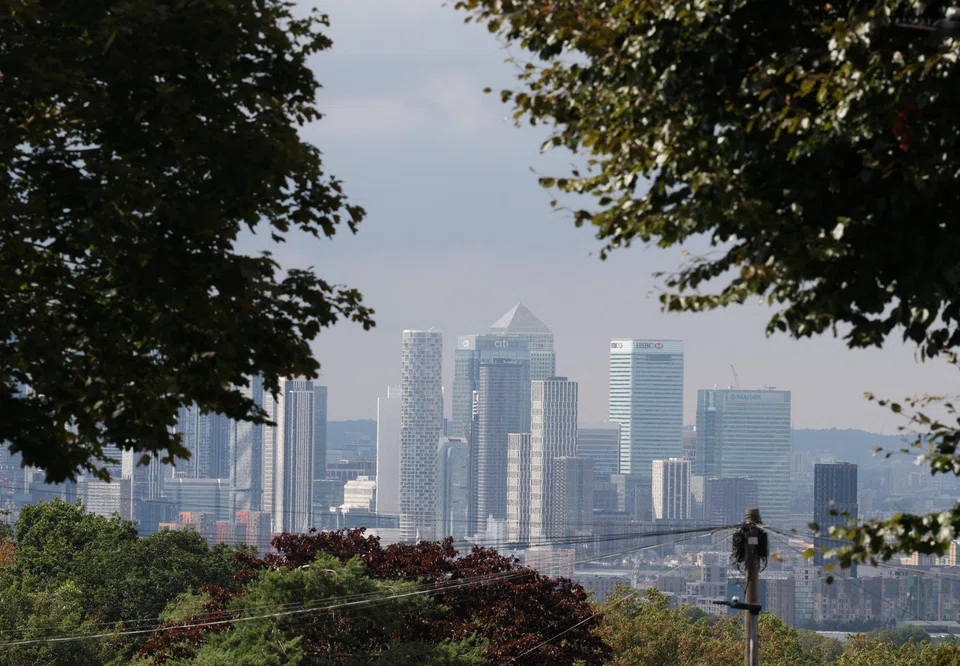
[LONDON] Companies are taking advantage of declining office prices to buy their own workplaces in the UK, as businesses seek to avoid the risk of higher rents from an expected supply squeeze.
Ten companies have spent more than £1.3 billion (US$1.8 billion) buying their own offices in Britain so far in 2026, according to data compiled by CoStar Group. If this trajectory continues for the rest of the year, these transactions will reach an annual record, analysts at CoStar added.
Though the trend of businesses buying their own premises isn’t new – Citigroup bought its London headquarters in 2019 – a combination of falling office values, and rising rents and refurbishment costs means that some businesses think now is a good time to buy.
“The costs of moving have become astronomical,” said Emma Steele, director of global cross-border investment at Savills.
Office values have dipped in recent years due to a variety of factors, including higher interest rates and changing working habits following the pandemic. At the same time, a shortage of supply following a decade of political uncertainty in the UK and rising construction costs means that rents are rising, particularly for top quality space.
The biggest deal this year was the one by Barclays in June, when it announced buying its global headquarters for £750 million from Canary Wharf Group in a 999-year lease agreement.
After a tricky few years following HSBC’s initial decision to leave London’s eastern business district in 2023, the leasing market has improved, and CWG has asked for rents in excess of £80 per square foot for new space, according to people familiar with the matter who asked not to be identified discussing private information. A representative for CWG declined to comment.
That’s double the roughly £40 per square foot that Barclays paid, according to one of the people. A representative for Barclays said the purchase secures the lender control of the headquarters beyond the lease term while providing “greater certainty over long-term occupancy costs”.
Rents aren’t the only motivator, though. Supply chain constraints and a shortage of contractors mean that the already high cost to fit-out new offices in London will likely increase further, according to data compiled by consultancy Turner & Townsend.


“The cost of fitting out offices today is incredibly high,” said Ed Bradley, head of central London office investment at CBRE Group. When occupiers are looking to put huge capital sums into the Cat-B fit-out, or the final stage of design, “it gives them a reason to look to acquire the assets as well”.
More deals could follow in the capital city, with CBRE currently advising on more than a million square feet of owner-occupier requirements, said Bradley.
State Street and the State Bank of India also decided to buy their own offices in London last year. Elsewhere in Britain, Bank of New York Mellon bought an office in Manchester for £114 million earlier this year, while Lloyds Banking Group bought its own Bristol offices for roughly £65 million.
The strategy can also turn owner-occupiers into investors who will then sell their workplaces again in the future if office prices start to rise.
“If you can do it, it’s an amazing idea because at any point in time when the market improves, technically you can write your lease again to yourself from the start, and then you can trade into a better market,” said Steele at Savills. BLOOMBERG
Decoding Asia newsletter: your guide to navigating Asia in a new global order. Sign up here to get Decoding Asia newsletter. Delivered to your inbox. Free.
Share with us your feedback on BT's products and services
TRENDING NOW

Once staunchly pro-China, Malaysian Chinese businesses are now distancing themselves from Beijing

Looking beyond looming CEO succession, should UOB potentially pursue a transformative merger?

Could stablecoins be the future of money?

Grab CEO’s wife Chloe Tong on life with Anthony Tan and finding her purpose

