

US banks highlight office real estate as next big worry
 Add BT as a preferred source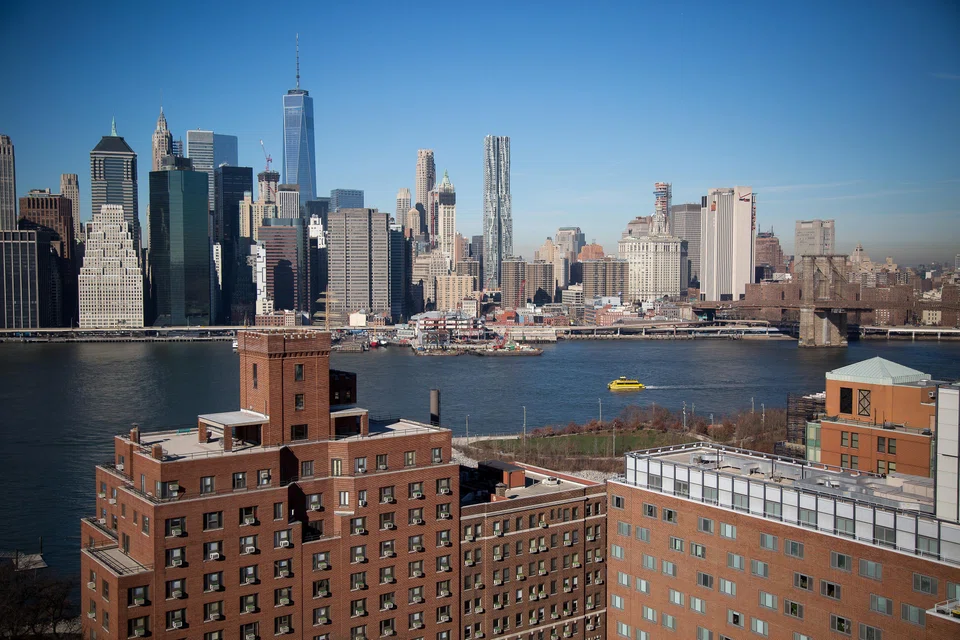
SOME of the largest US banks singled out office commercial real estate on Friday (Apr 14) as an area of growing concern, with property values falling and more borrowers defaulting on their loans amid rising interest rates and a slowing economy.
Faced with questions from analysts about their exposure to commercial real estate (CRE) and potential of losses, executives at Wells Fargo, Citigroup and JPMorgan Chase said conditions were getting worse for the sector.
“Weakness continues to develop in commercial real estate office,” Wells Fargo chief executive Charlie Scharf said on a call with analysts. The bank set aside an additional US$643 million in the first quarter for credit losses, mainly driven by expectations of higher CRE loan losses.
Stress in the CRE sector could have broad implications for banks and the economy, as losses emanating from there can tighten credit availability and exacerbate a downturn.
JPMorgan chief executive Jamie Dimon said he expected tighter lending conditions, most of it around “certain real estate things” and that “increases the odds of a recession”.
Banks represent 54 per cent of the overall US$5.7 trillion CRE market, with the small lenders holding 70 per cent of CRE loans, according to Citigroup analysts. More than US$1.4 trillion in US CRE loans will mature by 2027, with some US$270 billion coming due this year, said real estate data provider Trepp.
Loans backed by offices make up the biggest share of the maturing debt load, followed by multifamily and retail properties. The question now facing many borrowers is whether they can refinance or restructure loans to avoid default, bankers and analysts said. Older properties with high vacancies face the greatest refinancing challenge, they added.
“Office properties are currently facing the greatest refinancing risks” as companies reassess their needs, said John Guarnera, an analyst at RBC BlueBay Asset Management.
Bankers and analysts said the greatest stress in the office sector is likely to be felt in major cities such as San Francisco, Los Angeles, New York and Seattle.

“The regions with the highest level of office stress are located in the north-east and tech-heavy West Coast”, while southern cities have a lower share of risky loans, said Stephen Buschbom, research director at Trepp.
As the epicentre for the technology industry downturn, California’s CRE market has been hit hard. San Francisco and Los Angeles had an average office vacancy rate of 21.6 per cent in the first quarter, based on data from Cushman & Wakefield. Loans for San Francisco offices now face the highest risk of default of all US metro areas, according to Trepp.
A subsidiary of asset manager Brookfield, for example, defaulted in February on US$783 million in loans linked to two Los Angeles buildings, a filing showed. Citigroup and Wells Fargo were among the initial lenders.
Citigroup and Wells Fargo declined to comment for this article. Brookfield did not respond to a request for comments.
On an analyst call, Wells Fargo chief financial officer Mike Santomassimo said the office market was showing “signs of weakness due to lower demand, higher financing costs and challenging capital market conditions”.
“While we haven’t seen this translate to meaningful loss content yet, we expect to see more stress over time,” he said.
PNC Financial Services chief financial officer Robert Reilly said the firm’s team was reviewing each asset in its office portfolio.
The lender was stress-testing property performance to “set realistic expectations” and had “significantly discounted” income levels and property values “across the entire office book”, he said. REUTERS
Decoding Asia newsletter: your guide to navigating Asia in a new global order. Sign up here to get Decoding Asia newsletter. Delivered to your inbox. Free.
Share with us your feedback on BT's products and services
TRENDING NOW
Oiltek, Marco Polo Marine, Nam Cheong, OKP – Singapore boutique fund bets big on SGX small caps
CDL, Hong Realty trump 3 other bidders with S$542.4 million offer at S$1,865 psf ppr for Peck Hay plot

‘I felt like dying’: Thai Singha beer scion speaks up after disclosure of alleged sexual abuse
SpaceX IPO raises US$75 billion in biggest debut of all time, firm valued at US$1.77 billion

