As US living costs soar, DC homelessness doubles national average
Washington
JUST across the snaking Anacostia River from the trendy Washington Navy Yard neighbourhood, are the Valley Place Family Apartments, a transitional housing complex for some of the most vulnerable residents of the nation's capital.
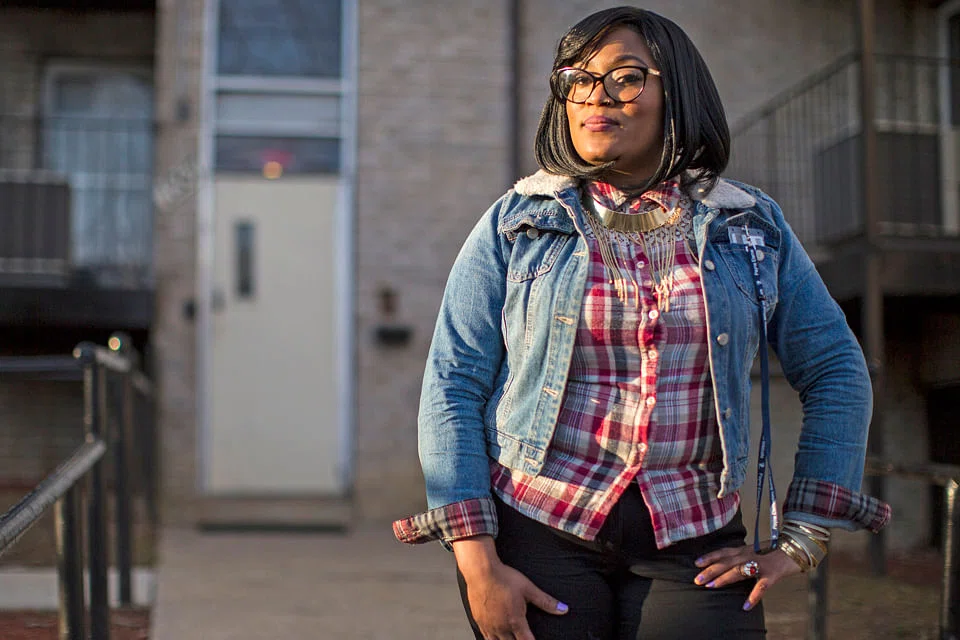
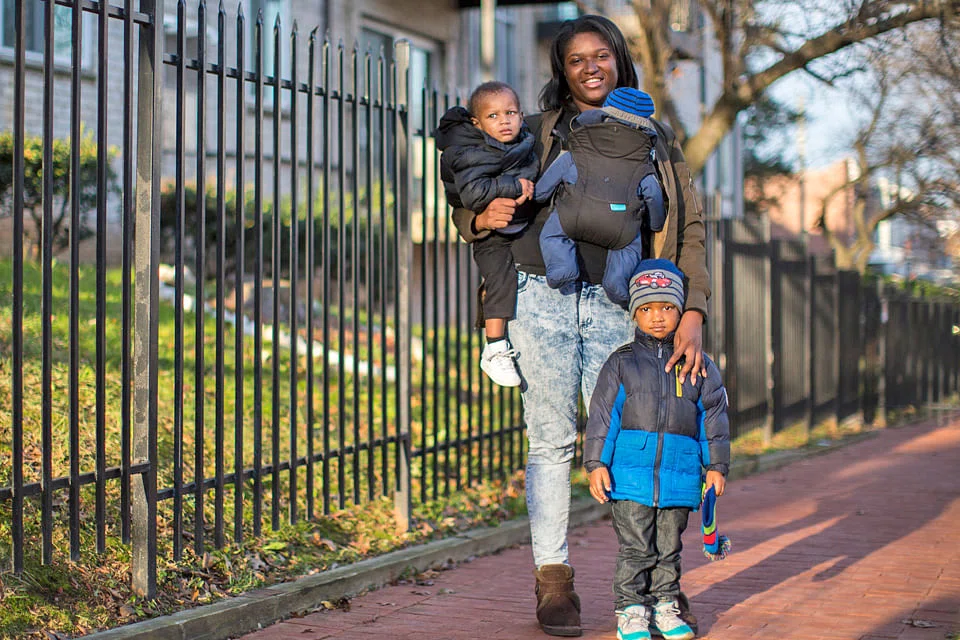
This is where two mothers, Anita White and Jasmine Kelly, wake up at dawn each day to make a life for their families. Ms White, 27, and Ms Kelly, 25, live in what amounts to a parallel universe in south-east Washington, as the city and its suburbs accumulate staggering wealth while its poorest residents grow poorer. In December, a devastating survey of 32 big cities prepared by the US Conference of Mayors showed Washington with the highest rate of homelessness. There are 124 homeless people for every 10,000 residents here, more than twice the national average. Nationally, homelessness has shrunk 12.9 per cent over the past seven years.
The survey numbers were taken from the annual "Point in Time" count distributed by the Community Partnership for the Prevention of Homelessness, a nonprofit that works with the local government. As at last January, according to the count, 8,350 people experienced homelessness: 318 on the street, 6,259 in emergency shelters and 1,773 in transitional housing. Outside of the homeless numbers, 17.3 per cent of residents in Washington live in poverty, according to recent census data.
Those who research and confront the homeless crisis - members of the Conference of Mayors, Washington officials, legal advocates, shelter providers and homeless parents - all point to one thing: the cost of urban living. Median home prices in Washington soared to record highs last year.
"There are no 'new homeless'," said Michael Ferrell, executive director of the Coalition for the Homeless, which runs 10 shelter programmes in Washington, including Valley Place. "The one single thing that really has changed is the lack of affordable housing." "The housing that's being created today in the district is not for working-class people," he said.
The problems for Ms White and Ms Kelly, who have been at Valley Place for more than a year, look familiar to many here.
Ms White is a student in mortuary science at the University of the District of Columbia during weekdays and a sales associate at the Kennedy Center for the Performing Arts on the weekends. She has been homeless twice. Just a few years ago, she appeared to be recuperating, living in her own apartment while she worked as an assistant manager at a clothing retailer. She ended up in Valley Place with her five-year-old daughter and nine-year-old son when she could not afford her rent.
Before Valley Place, Ms Kelly, who has four young boys, spent time in what she called the "torturous" DC General Family Shelter, the city's largest homeless facility, which houses hundreds of families. The mayor and City Council want to close the complex and replace it with more intimate shelters spread out across Washington. The city spends about US$80,000 every night on hotel rooms for homeless families.
"People underestimate the degree to which housing is out of reach for certain people," said Laura Zeilinger, director of the Department of Human Services in Washington. She said her department had a commitment to make sure that families were safe and able to survive custody battles and violent homes, and that they were not "living in gas stations or McDonald's or laundromats while we try to fix the system". In such a desirable real estate market, landlords are circumspect, taking government subsidies for affordable housing before screening out potential tenants for qualities associated with homelessness, Ms Zeilinger said.
Since her election in 2014, Mayor Muriel Bowser has made homelessness a higher priority than her more stringent predecessor did, extending the availability of shelters beyond the cold-weather months, when there is a threat of hypothermia. The survey pointed out that the Bowser administration had done especially well sheltering homeless children and veterans. In 2016, the city had the lowest percentage of unsheltered homeless among the study's cities.
Adjacent to the suffering is prodigious wealth. Census data released in December showed four of Washington's neighbouring communities as the richest in the nation - Loudoun County, Falls Church, and Fairfax and Howard counties - while the District of Columbia maintained a median household income of more than US$70,000.
The "Point in Time" numbers also exposed a generational calamity. The average age of adults in homeless families is 27 - a demographic that includes Ms White and Ms Kelly - half the average age of unaccompanied homeless people.
A report in early December from the DC Fiscal Policy Institute, an organisation that researches budgets and taxes that affect needy residents in the city, revealed that with rising rent, the poorest Washington residents faced spending more than half their income on housing. Recent census data shows median rents in Washington are more than US$1,300, yet only a third of what the institute calls 26,000 "extremely low-income" households can afford rent of more than US$200 per month. Only 9 per cent of this group actually has housing at that rate.
This feeds the grim cycle Ms White and Ms Kelly know well: the abbreviated stays in shelters, the faint hope of independent housing, the evictions, the return to beds they do not own and have little interest in occupying. NYTIMES