Tokyo’s resale condo price gains stalling as policies drag on demand
Takaichi’s government has begun considering regulations on real estate acquisition by foreigners
 Add BT as a preferred source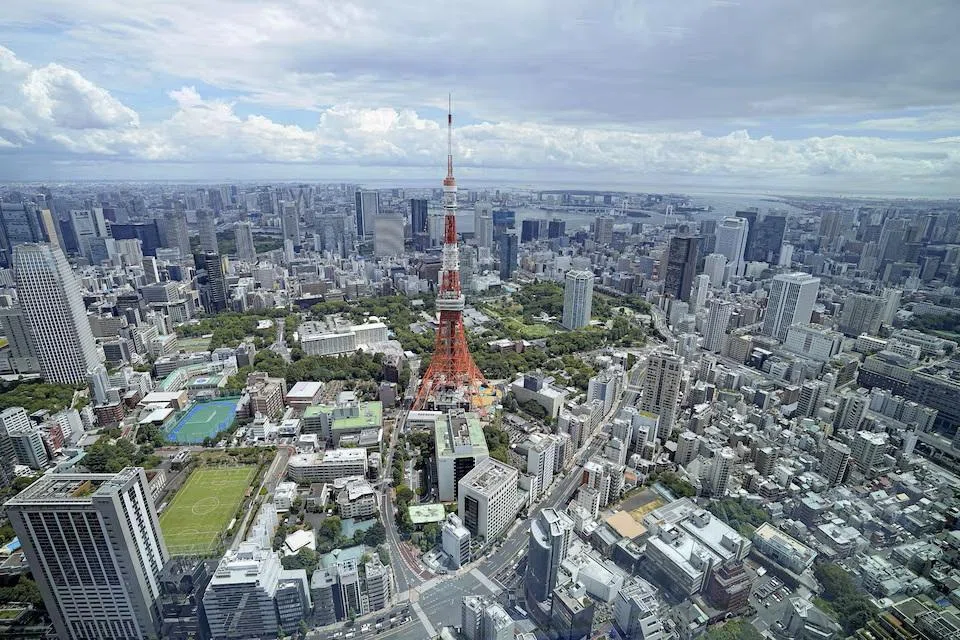
[TOKYO] A long ascent in the price of resale condominiums in central Tokyo appears to be stalling, as the government takes steps to tame surging housing costs, and inflation and rising interest rates sap investor demand for real estate.
Average contract prices for resale condos in bay-side neighbourhoods such as Toyosu and Kachidoki decreased 0.6 per cent in January from December, marking the first decline in five months, according to FJ Realty, a Tokyo-based real estate broker.
Prices rebounded 1 per cent in February, but a large number of properties going to the market around the same time has limited sellers’ ability to unload real estate at high prices, said Shogo Fujita, president of FJ Realty.
“Inventories have really piled up, and because there are many properties, it’s been getting harder and harder to sell,” said Fujita. “Prices had been on a rising trend, but we may be hitting the ceiling.”
Resale condos tend to reflect supply and demand more clearly than newly built properties. Real estate research firm Tokyo Kantei is slated to release broad data this week for February on resale condo prices in central Tokyo – if those drop from January, that would be the first decrease in 37 months.
Investors from both overseas and Japan and wealthy households have rushed to buy resale condos in central Tokyo in recent years, attracted by their relatively affordable prices compared with other major financial centres.
But price gains have been kept in check by official action: the government has been looking more closely at real estate acquisitions by foreigners, and local governments and the real estate industry have been restricting investors from reselling properties right after purchases.
Fujita said that he noticed from around last autumn that overseas investors, mainly from China, were cutting back on deals in Tokyo. The policies of Prime Minister Sanae Takaichi’s administration have been one trigger for their retreat.
Foreigner policy
Takaichi’s government has begun considering regulations on real estate acquisition by foreigners, and it tightened rules for issuing business management visas that visitors from abroad use to stay in Japan.

Rising prices are also posing an obstacle for individuals wanting to buy a home in Tokyo.
The “critical point” for a family-style condo’s price is 120 million yen (S$965,520), beyond which few households will be willing to spend to secure an apartment, said Tomohiro Makino, head of Oraga Research Institute, who has been involved in the real estate market for more than three decades.
“Even power couples where both people work for large corporations and have household income exceeding 15 to 20 million yen are starting to give up on buying a condominium in Tokyo,” Makino said.
Rising interest rates and inflation are also affecting the behaviour of investors who aim for capital gains from selling or managing real estate, Makino said.
If an investor bought a resale apartment in central Tokyo and rented it out, the gross yield would be around 2 per cent, which is less attractive as an investment compared with other products, he said.
“Power couples are especially sensitive to economic developments,” said Fujita at FJ Realty. “Their concern about home loan rates rising and their reduced expectations that the condo market is headed higher are among the factors that made them cautious.” BLOOMBERG
Decoding Asia newsletter: your guide to navigating Asia in a new global order. Sign up here to get Decoding Asia newsletter. Delivered to your inbox. Free.
Share with us your feedback on BT's products and services