

Vancouver tax set to scuttle over 400 deals: brokers
Provincial govt's move to cool hot housing market may also face legal challenges
Toronto
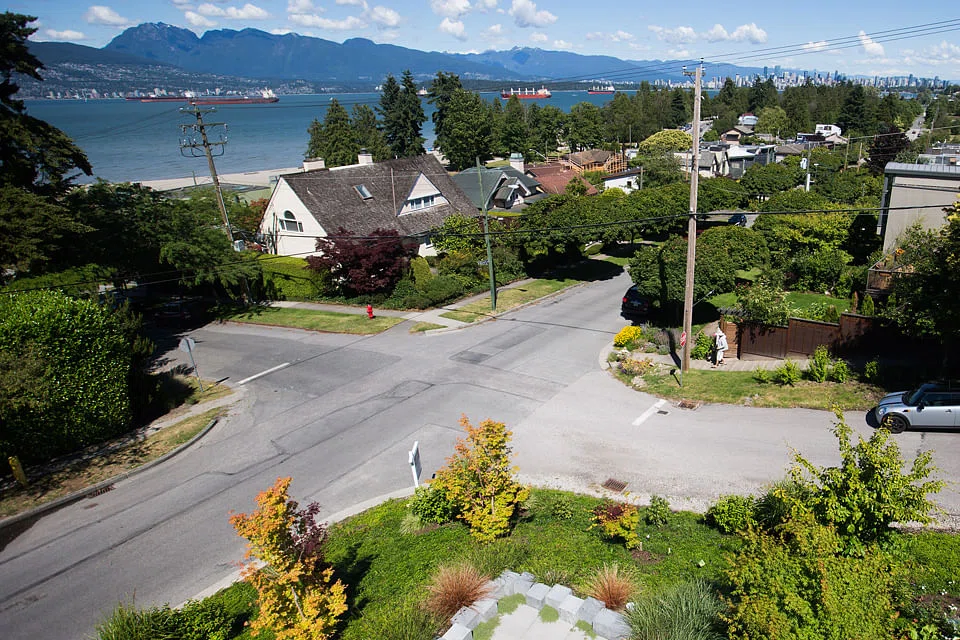
BRITISH Columbia's decision to impose a 15 per cent tax on foreign buyers to cool Vancouver's scorching housing market is poised to derail more than 400 deals worth millions of dollars and may prompt calls for legal action.
At least 427 deals are likely to collapse due to the new measure, according to Dan Morrison, president of the Real Estate Board of Greater Vancouver, citing responses from 27 brokers to an e-mail inquiry. The group didn't calculate the value of those sales, though they would be worth about C$404 million (S$414 million) based on the average purchase by a foreign buyer of C$946,945.
That may just be the tip of the iceberg.
"It's a domino effect," said Elton Ash, Western Canada regional executive vice-president for Re/Max Holdings. Not only will foreign buyers be hit but also Canadians who had contracts to sell and had already put offers on their next house, he said. Mr Morrison said the effects could take years to play out given some deals involve the sales of condos still being built.
Canada's westernmost province introduced the tax for foreigners as price gains intensified this year. The cost of a detached home in Canada's third-biggest city soared 38 per cent over 12 months to C$1.58 million in July. British Columbia joins governments from the UK to Australia imposing measures to tame markets that have become unaffordable for many local residents. Public support for intervention was building in Vancouver, where anecdotes abound of offshore investors bidding up prices then leaving homes empty. The provincial levy only applies on homes in the Metro Vancouver area, where three-quarters of the foreign money flows.
Re/Max is still tallying the fallout of the tax, which took effect on Aug 2. At least one C$14 million sale in West Vancouver fell through because the levy would've added another C$2.1 million to the cost, Mr Ash said.
The measure will hit the lower-end of the market the hardest, such as C$500,000 condos, where the cost won't be so easily absorbed, he said. Some sellers will react by cutting prices to salvage deals, he said.
The province's move may yet face legal challenges.
The new tax violates several treaties and agreements that Canada holds with at least 28 other countries, including the US under the North American Free Trade Agreement, according to Barry Appleton, managing partner of law firm Appleton & Associates, who specialises in international law and has launched claims in Canada under NAFTA.
"It's just shocking that a provincial government in Canada would choose to have a knee-jerk reaction in this way," Mr Appleton, who has been contacted by several entities but declined to name them, said from San Francisco. Depending on the treaty in place, individuals or the state can sue Canada for losses related to the tax, as well as challenge the tax as discriminatory, he said.
"All legislation is vetted to ensure it complies with the constitution," said Jessica McLachlin, a spokeswoman for British Columbia's finance ministry in Victoria. "The government received opinions on the additional property transfer tax and we believe British Columbia is within its rights to act as it did to protect the residential real estate market from distortions."
France may provide a precedent for legal action. Foreign homeowners went to court in 2012 after the nation raised the capital gains tax on overseas investors to as high as 33.5 percent, arguing discriminatory treatment was illegal under France's bilateral tax treaties. They were successful, and France reduced the rate to 19 per cent for all sellers, said Miranda Bothe, founder of Paris Property Group.
In British Columbia, an individual US investor could file a claim under NAFTA, as could residents in 28 other countries that have trade agreements with Canada, Mr Appleton said. Chinese buyers, who comprise the majority of foreign investors in British Columbia according to the finance ministry data, could file individual constitutional challenges under Canada's Charter of Rights and Freedoms. The Chinese government could also go after the Canadian government, Mr Appleton said.
"This government has been going around the world telling people that Canada is open to foreign investment, and now they discriminate against those very individuals, and with little warning," he said. Bloomberg
TRENDING NOW

South-east Asia has lost Nvidia’s best salesman

Demand, tech capabilities position Apac and AI as Skyscanner’s next growth frontiers: CEO Bryan Batista

Peter Kwee’s Ridley Park bungalow on the market with S$100 million asking price
Beyond the greenback, Vietnam’s big borrowers turn to Asian-currency bonds

