Work-from-home divides real estate into the good, bad and ugly
Resulting split presents challenge for investors who expect diverging valuations to revert to historic averages in 2021
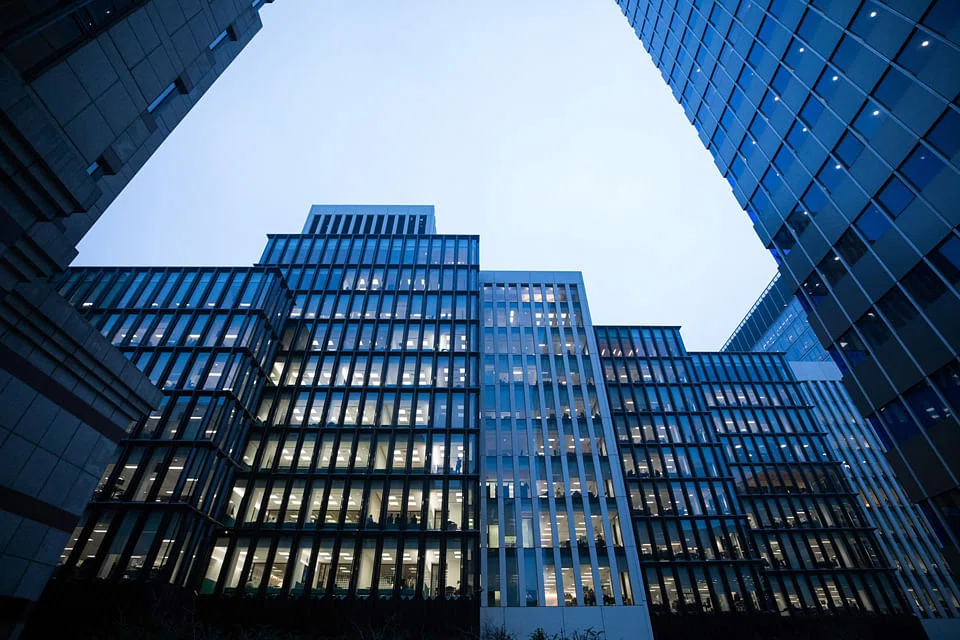
WORK-FROM-HOME (WFH) and lockdowns have carved up the real estate sector into a handful of winners and many more losers.
The resulting split into the good, the bad and the ugly presents a challenge for investors who expect diverging valuations to revert to historic averages in 2021.
As the Covid-19 pandemic took hold, investors hoovered up shares in warehouses and logistics centres that facilitate the socially distanced economy.
Mall owners were abandoned. Between the two extremes, offices suffered, but not as much as feared.
Many workers in finance, law and professional services adapted to remote working. Their firms' revenues proved surprisingly resilient. That has meant haggling over the rent has not been a top priority.
Still, the Sunday atmosphere that persists in financial centres during the working week makes it hard to be overly optimistic for offices just yet.
Real estate stocks focused on London offices have fallen by about a third, and they trade close to a 25 per cent discount to their most recent reported net asset value (NAV).
A discount below 20 per cent would be more usual, so the valuations anticipate office values will fall further, but not collapse.
The new strain of Covid identified in the UK has reinstated tougher lockdowns and closed restaurants and non-essential stores again.
That makes it harder for mall operators to vacate the ugly spot on the podium. The curbs will immediately turn off tenants' income and hit rent collections.
Even with the UK and Europe embarking on Covid-19 vaccine campaigns, mall owners such as Unibail-Rodamco-Westfield - owner of the popular Westfield sites - and Hammerson trade at discounts of about 50 to 80 per cent of NAV. That too anticipates further asset writedowns - savage ones.
How might these valuations revert back to real estate's historic low double-digit (or smaller) discounts to NAV?
Either share prices must adjust, or underlying values must move - or a mixture of both. It is hard to assess what might happen because there are two big unknowns.
One is whether people will simply head back to the office when the pandemic is under control. The longer governments have pushed a WFH-where-possible policy, the more expectations have risen that flexible arrangements will stick.
Some corporate tenants are already seeking less space, to turn working from home into a cost cut.
Still, the savings are not huge as a percentage of total staff expenses, and some employers will probably see a drop in the person-per-square-foot ratio as good for morale.
Frustratingly for investors, long leases mean the picture will remain fuzzy for a while.
The other uncertainty is the sustainable level of rents in retail and leisure. The pandemic forced shoppers online, diners to takeaways and fitness fanatics to home gyms.
Existing trends rapidly accelerated. The resumption of office working would support city centres, but malls have a harder job preventing the online journey from becoming one-way.
Their owners face the cost of making locations more attractive while servicing high debts. But if vaccines truly bring back some semblance of normal life, an indication of where consumer habits are settling could emerge in 2021.
It is easier to see rents and values of offices and retail premises getting worse before they get better.
But expectations for these sectors are low already. Indeed, safe-haven logistics properties could lose some appeal if investors buy back into malls and offices.
Such a rotation could gain pace if investment strategists are right in predicting that investors will shy from chasing pricey growth stocks next year, and instead buy equities that look cheap and are exposed to a recovery.
The gap between share prices and actual property values will narrow eventually. But with the virus becoming more menacing, and vaccine distribution slow, equity investors' pessimism is going to be hard to turn. BLOOMBERG