Wyndham pushes for Asia growth with new regional chief
It plans to add more hotel brands from global portfolio of 19 brands; sees more opportunities to grow lower-end budget segment
Singapore
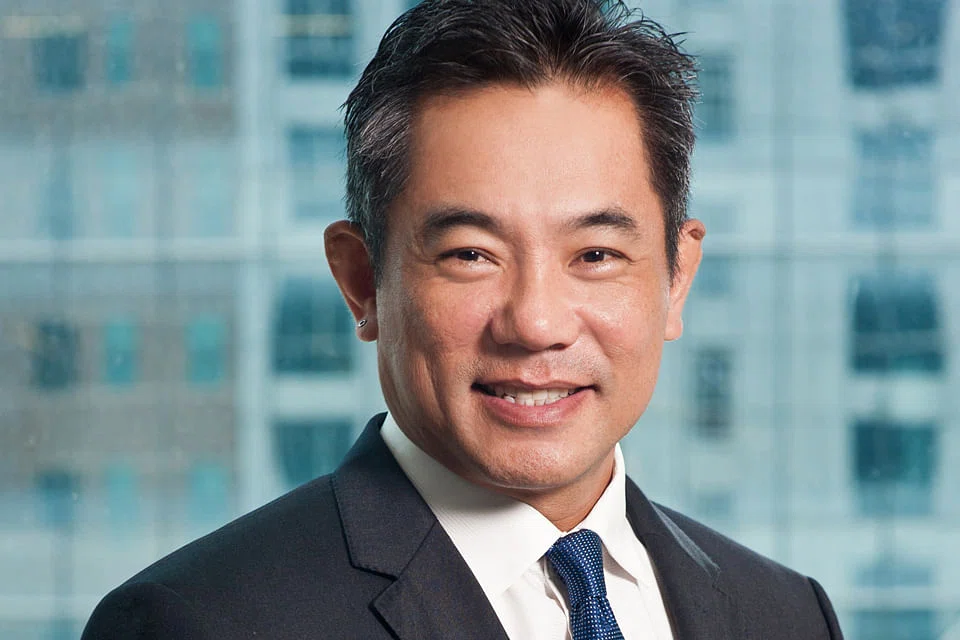
WYNDHAM Hotels & Resorts is planning to deploy more brands in much of Asia-Pacific in a bid to build up scale in the region, the new president and managing director of its South-east Asia and Pacific Rim business Ooi Joon Aun told The Business Times in an exclusive interview. (see amendment note)
His appointment was announced on Monday, shortly after the spin-off of Wyndham Hotels & Resorts, formerly known as Wyndham Hotel Group, from Wyndham Worldwide, was completed.
Wyndham Hotels & Resorts now trades on the New York Stock Exchange, along with Wyndham Destinations, the new name for Wyndham Worldwide.
Penang native Mr Ooi says the areas he oversees, which encompass Australasia, South-east Asia, Korea and Japan, are ripe for greater expansion amid strong economic growth and affluence resulting in more business and leisure travel.
Last year, the South-east Asia and Pacific Rim business, which currently has 126 hotels, booked a 35 per cent development growth (in terms of room count), with top contributors being Korea and South-east Asian countries like Vietnam and Thailand. It is opening soon in new locations - Johor Bahru, Kuala Lumpur, and Lombok - to name a few.
Mr Ooi said that Wyndham has plans to add more brands from Wyndham's global portfolio of 19 brands to the region's existing nine, like Ramada Worldwide, Days Inn and Howard Johnson. "We want to deploy more brands here in line with our mission of creating more stay options in various segments of the market from higher end, to budget travellers, to families to businesses," he said.
Mr Ooi also sees more opportunities to grow the lower-end budget segment to cater to middle-class travellers. There are already plans for one brand from its global portfolio to be launched here, which is focused on "convenience and good-for-value", he added - though he declined to reveal more information about this.
One boon to business will be travellers from China, where he says there has been strong brand recognition from the over 1,400 hotels under brands like Super 8 and Howard Johnson. Wyndham says it is now the largest international hotel chain in China. "There's a lot of penetration, meaning travellers coming out from China are familiar with these brands and we can map across our region and say: what opportunities are there for certain brands?" he said.
The engineer by training and one-time management consultant before joining the hospitality industry in 2002 knows the region well. He was most recently at Wyndham Hotel Group's Greater China business as vice-president of openings and operations since 2013, where he introduced four new brands to the market.
Wyndham has been adding brands in this region in recent years as part of an internationalisation push since 2014. An example is the opening of the lifestyle-focused TRYP branded hotels in Brisbane and Manila.
In Singapore, its two hotels in Balestier - Ramada Singapore and Days Hotel Singapore at Zhongshan Park - are seeing average occupancy "north of 80 per cent", he said. (see amendment note)
Wyndham is in discussions for potential new sites here, he said. Challenges remain here. "The market is quite crowded with increasing room additions, but from the tourism perspective, there're more opportunities to grow," he said.
"We have our plans in terms of where we want to be represented but Singapore's market opportunities can be quite limited. We have aspirations of where we want to be but we have to face the reality of when and how there will be such opportunities to come along."
Amendment note:
An earlier version of this article incorrectly stated that Mr Ooi is the president and director. He is in fact the president and managing director. It also said that Wyndham's hotels in Singapore are seeing average occupancy "north of 60 per cent". Wyndham has since corrected itself to say its average occupancy is above 80 per cent. The article above has been revised to reflect these.