

BT Explains: Life after Covid signals big change for commercial properties
Lisa Kriwangko
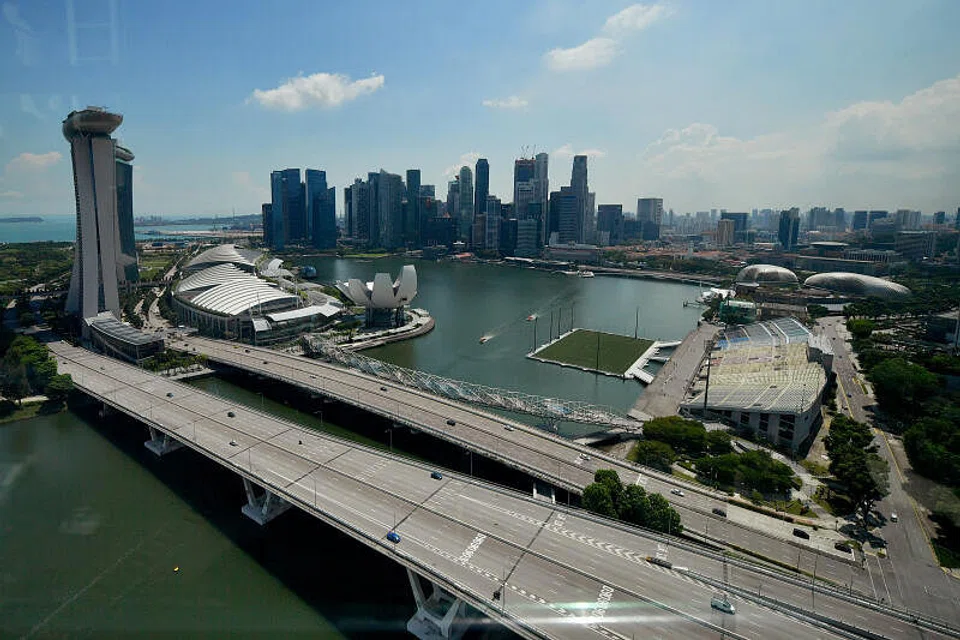
SINGAPORE'S commercial property market has seen the ups and downs of changes brought on by Covid-19.
Offices in the central business district (CBD) - especially older buildings - need to evolve. Cloud kitchens are expected to serve up a bigger fry. Business parks look resilient.
So what should we expect from the years ahead from different property segments? CBRE's Q2 2021 recovery playbook offers some ideas:
Government schemes
Both the Central Business District Incentive (CBDI) Scheme and Strategic Development Incentive (SDI) Scheme were introduced to incentivise the redevelopment of older buildings to more productive mixed-use developments, as part of the Urban Redevelopment Authority's (URA) 2019 Master Plan.
Post-pandemic, these schemes have become even more pertinent as flexible working arrangements drove businesses to evaluate their office spaces.
Under the CBDI scheme, qualifying properties are allowed to intensify their gross floor area (GFA) by 25 to 30 per cent, depending on the proposed land use.
Meanwhile, the SDI is intended to redevelop precincts in strategic areas across Singapore, such as Orchard Road, the CBD and Marina Centre. Under the scheme, developers can increase their GFA or attain flexibility on other development controls if they have innovative proposals that transform the precinct.
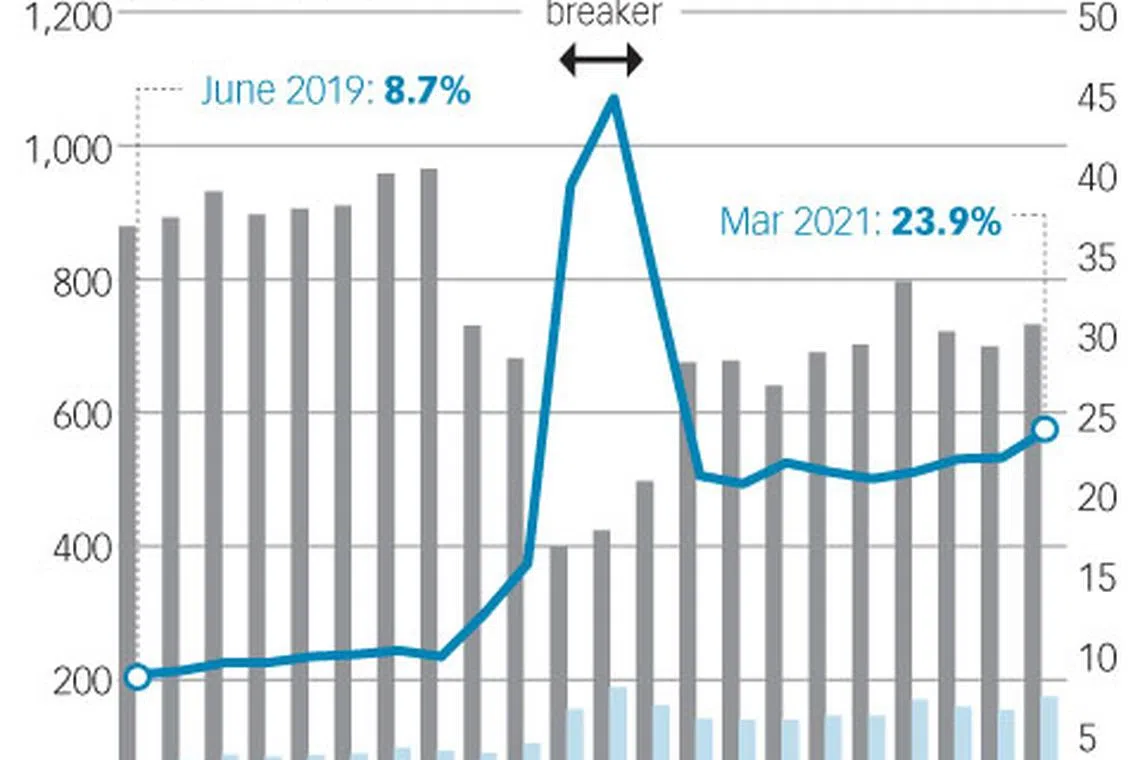
Since the circuit breaker period, URA has received nine outline applications under the CBDI Scheme, of which six have been given in-principle approval, while three outline applications under the SDI Scheme were given in-principle approval.
The take-up of these schemes are also likely to result in the long-term reduction of office stock in the CBD, which plays a part in the government's decentralisation strategy to have more offices located outside the city centre, CBRE said.
Offices for redevelopment
According to CBRE, redevelopment of commercial sites will remain robust despite the current flexible working arrangements.
This is driven by the continued downward revisions to commercial charges, such as the replacement of the Development Charge with the Land Better Charge bill passed last May, which will improve the economics of redevelopment under these schemes.
To add, the government has not been releasing sites for commercial development, thereby prompting developers to turn to the private market for redevelopment opportunities.
Singapore's reputation as a "safe haven" will also give global investors confidence in the local office sector.
Prices and rents
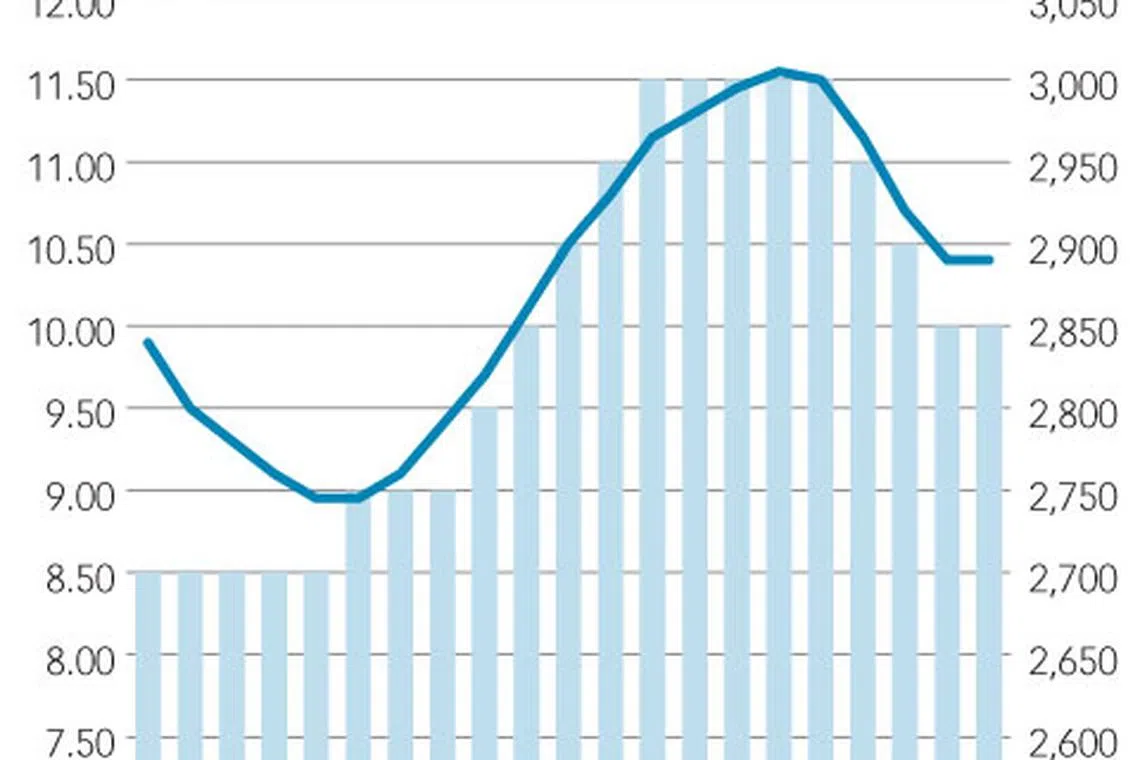
Redevelopments of buildings and precincts will also increase their value, as well as that of their surrounding vicinities.
Thus, the analysts expect rents and prices to increase concurrently.
Cloud kitchens
The shift of food and beverage (F&B) sales to online prompted by the pandemic will likely fuel the growth of cloud kitchens, the report noted.
Also known as ghost or dark kitchens, cloud kitchens are centralised kitchens where food is prepared primarily to cater to food delivery. In some cases, a small area is set aside for dining-in.
Older suburban malls will likely benefit from hosting such kitchens due to their proximity to residential areas. Shophouses could also make for suitable locations, especially those already approved for F&B use.
"It will become a new norm, as F&B players shift their focus towards takeaways and deliveries as an essential part of their operations," the report noted.
Business parks
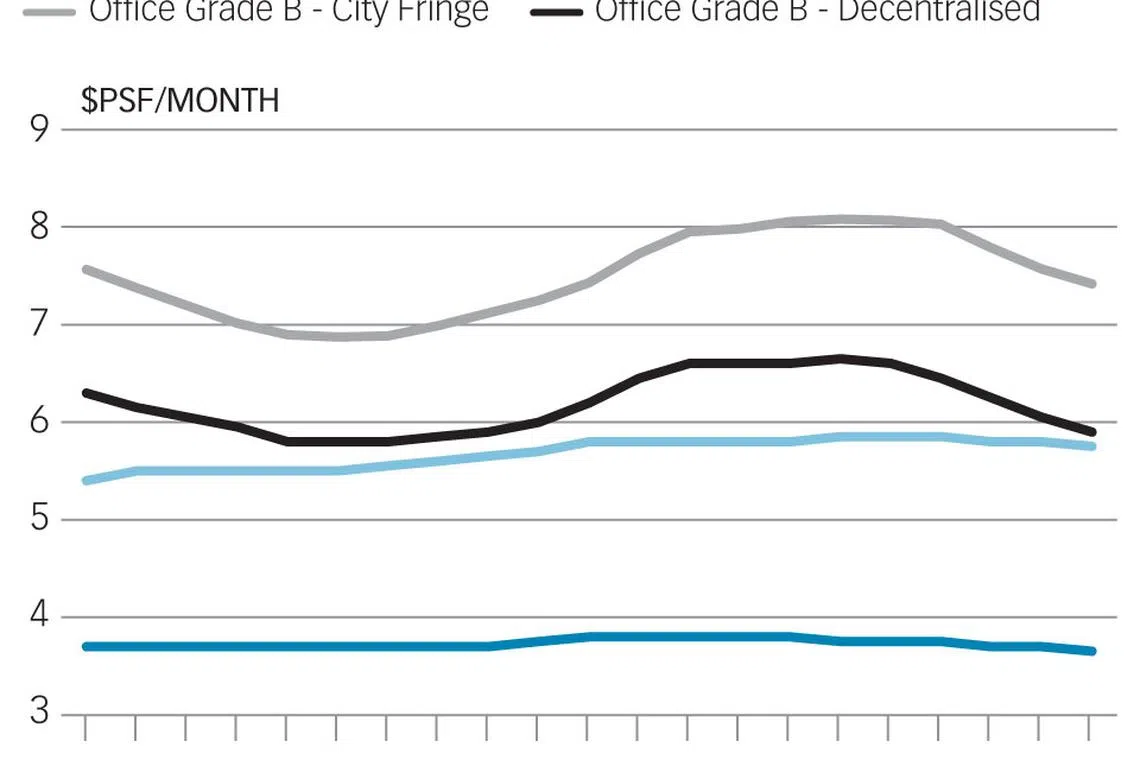
Demand for business parks is expected to increase, driven by Singapore's growing biomedical sector.
The government is encouraging global pharmaceutical companies to set up their bases in Singapore, such as by investing heavily in providing the relevant infrastructure at Biopolis and Tuas Biomedical Park.
Unlike other forms of work, it is also difficult to move laboratory activities to work-from-home arrangements.
Over the years, Singapore has also seen a rise in prominence of factoryless goods producing firms (FGPFs). These firms perform pre-production activities but outsource their production, qualifying them as business parks tenants.
Given business parks' established tenant portfolio and tightly-held supply, those strategically located will remain attractive, the report noted.
TRENDING NOW
Stocks to watch: CapitaLand Ascott Trust, Keppel Infrastructure Trust, iFast, ESR Reit, First Sponsor

Indonesia says gas export cuts to Singapore remain within contract terms

If Europe goes to war, the fallout will be felt in East Asia

Government to bring forward raising of retirement age, give employers more financial support to create flexi-load jobs

