China’s reserve requirement ratio cut in play as Beijing seeks to aid property
 Add BT as a preferred source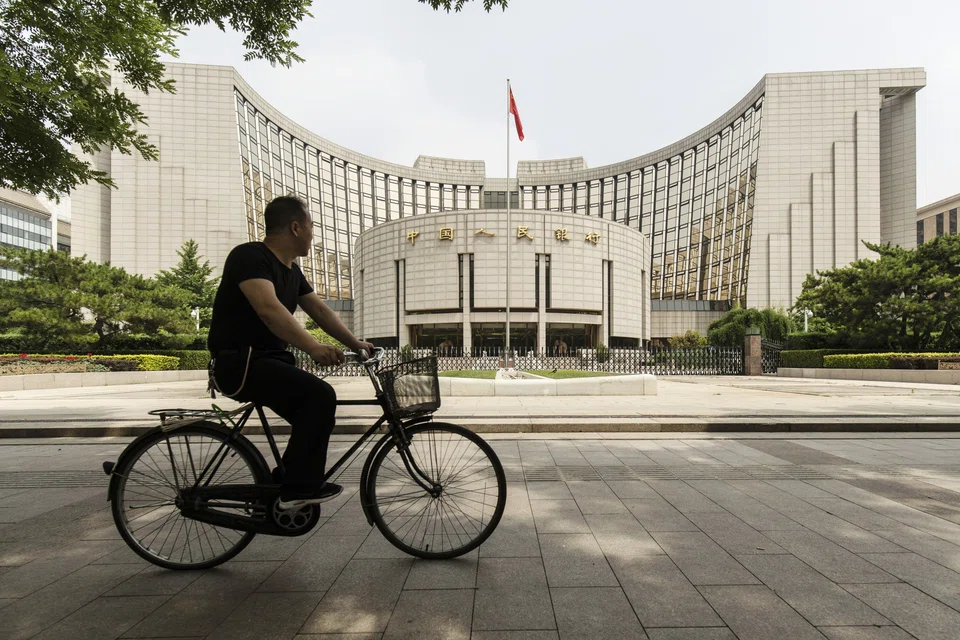
DeeperDive is a beta AI feature. Refer to full articles for the facts.
CHINA’S central bank could give lenders a bigger cash boost to help them reduce their rates on mortgages and other loans in a bid to stabilise the nation’s embattled property sector, according to the Securities Times.
The People’s Bank of China (PBOC) could cut the reserve requirement ratio (RRR), or the amount of cash that banks must keep in reserve, before the end of 2022, according to a front-page commentary carried in the newspaper Tuesday (Aug 23). That would provide banks with the liquidity needed to swap “rather large amounts” of policy loans coming due in the final 4 months of the year, the article read.
The government has been trying to put a floor under the spiralling property market, which has seen sales plummet, housing prices fall and home buyers boycott their mortgage payments for projects that troubled developers couldn’t deliver on time.
Containing the real-estate crisis has become a “key link” in stabilising economic growth, Tuesday’s article read.
The central bank late Monday called on major financial institutions to take the lead in keeping credit growth stable, saying in a statement that financial institutions - especially major state-owned banks - should increase loan issuance to the real economy.
The PBOC last reduced the RRR in April, lowering it by 25 basis points for most banks and by 50 basis points for smaller lenders.
Navigate Asia in
a new global order
Get the insights delivered to your inbox.
The funds released through a RRR cut could guide banks to further lower the benchmark loan prime rates, too - a move that could spare the central bank from pushing the costs on its 1-year medium lending facility lower for that purpose, according to the article written by reporter Sun Lulu. As such, she wrote, there is room for mortgage rates to fall further this year.
Banks on Monday lowered the LPRs after the PBOC cut the MLF rate last week. Special loans worth 200 billion yuan (S$40.8 billion) could be offered to property developers to help them complete housing projects that have already been sold, but which are yet to be finished.
The reductions in the MLF rate and LPRs showed “liquidity may stay loose as monetary policy is being eased further to beef up counter-cyclical adjustment”, said the Securities Times commentary.

The mortgage rate on first homes could fall to as low as 4.1 per cent after the latest LPR cut, the article read. That would be lower than 70 per cent of the cost in 2009, in the wake of the global financial crisis.
However, rates on existing mortgages are still higher than the return on banks’ wealth management products and deposit rates, meaning home buyers still have an incentive to repay mortgages ahead of schedule, the article read, making it hard for banks to maintain loan scale stability. It is possible that policymakers may allow banks to offer greater discounts on mortgage rates, it added. BLOOMBERG
Decoding Asia newsletter: your guide to navigating Asia in a new global order. Sign up here to get Decoding Asia newsletter. Delivered to your inbox. Free.
Share with us your feedback on BT's products and services