

China's scrutiny of shadow debt bites developers like Evergrande
Firms may go for equity offerings, spinoffs to meet financing obligations
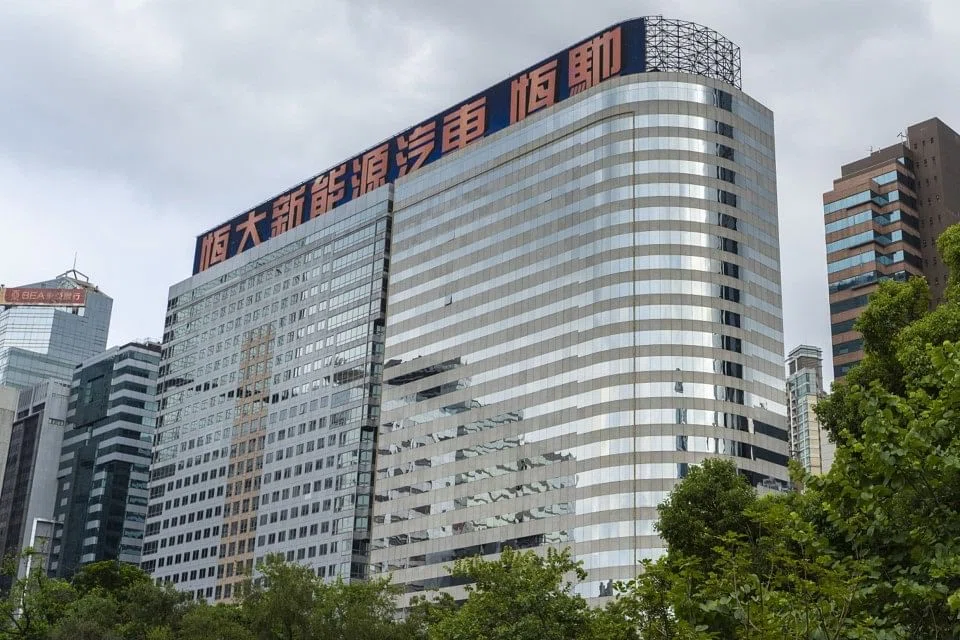
A TIGHTENING of Chinese developers' use of secretive funding is threatening to curb growth in the world's second-largest economy.
For years, China's property developers have drawn on shadowy pools of capital to fund their projects. Now, government scrutiny is reining in that system, after already curbing traditional avenues of funding.
Debt-laden developers including China Evergrande Group will likely need to scale back growth and resort to other means such as equity financing and spinning off more assets for financing to avoid defaults.
"Polarisation among Chinese developers will deepen this year, and more developers are likely to suffer from debt failures," said John Sun, co-managing partner at Aplus Partners Management Co, which focuses on private equity and credit investments. Weaker developers "will need to sell assets to fight for survival, while some will likely default on their debt".
That hunt for new funding is adding pressure on the nation's cash-strapped developers, which already account for nearly 27 per cent of the more than US$20 billion of missed bond payments this year, according to data compiled by Bloomberg. The constraints will dampen investment in property and the pace of construction activity, Macquarie Group's China analyst Larry Hu predicts.
Since China introduced the "Three Red Lines" policy late last year to curb property companies' debt ratios, regulators have required developers to turn over information on their off-balance sheet arrangements, said Adrian Cheng, senior director of Asia-Pacific corporates at Fitch Ratings.
The funding is often masked as equity offerings that are debt-like in nature. Another avenue is to provide guarantees to joint ventures or associates that borrow on behalf of the developers, Mr Cheng said.
Funding sourced via such guarantees for joint ventures accounted for about 9 per cent of total debt issued by Fitch-rated developers last year, based on Fitch estimates, reaching a record 460 billion yuan (S$95 billion).
It's outside of mainland China where the impact on developers has been most telling. One of the popular approaches in the past three years has been using so-called orphan special purpose vehicle structures to issue private debt, said Chen Yi, head of global capital markets at Haitong International Securities Group.
Under such a structure, the issuer of the debt is an orphan that is not an affiliate or subsidiary of a company, so the debt won't appear on the company's balance sheet.
Private debt issued by orphan special purpose vehicles have declined due to tighter regulations such as the "Three Red Lines", said Mr Chen. Such financing activities in the offshore market "peaked last year", he said. "Developers have become more disciplined this year as rating agencies have been asking borrowers for more transparency on their off-balance-sheet borrowing and so do the regulators."
That's not to say off-balance- sheet financing will disappear, though it will be used more sparingly and for more targeted activities. For instance China's centralised land-bidding policy means developers need to amass large amounts of cash in a short period of time to win land.
Companies that rely on joint ventures for financing could see such off-balance-sheet debt accounting for as much as 40 per cent of their debt, said Mr Cheng.
Under the stringent policies, some developers are already starting to crack. Chongqing Sincere Yuanchuang Industrial has failed to repay three onshore bonds. They follow the footsteps of China Fortune Land Development and Tianjin Real Estate Group, each unable to meet payments of more than 10 billion yuan. Shares of the country's major developers have lost 10 per cent since the authorities signalled the restriction in August.
It spells trouble for one of China's biggest growth drivers. Real estate contributes to about 29 per cent of China's economic output if its wider influences are factored in, according to a joint research by Harvard University and Tsinghua University.
The sector's investment growth could moderate to 4 per cent compared with 7 per cent last year, Mr Hu said. A key measure of construction pace could decline 4 per cent this year, he added.
In the face of these headwinds, Chinese developers might need to rely on more equity offerings and spinoffs to meet their financing obligations. Evergrande is taking some of the most aggressive steps, pledging to list an online sales platform and water business, as well as planning a secondary listing of its electric-vehicle company onshore under a goal to cut its US$100 billion debt by half.
Just last week, Evergrande raised about HK$10.6 billion (S$1.8 billion) selling shares in its electric vehicle unit, a move that could help repair its balance sheet. Evergrande didn't respond to e-mailed requests for comment.
Haitong's Mr Chen expects that the offshore equities market will remain a bright spot for developers seeking funds. "We will continue to see more developers go public in Hong Kong this year given limited access to other funding channels," he said. BLOOMBERG
Decoding Asia newsletter: your guide to navigating Asia in a new global order. Sign up here to get Decoding Asia newsletter. Delivered to your inbox. Free.
Share with us your feedback on BT's products and services






