Evergrande secures bond extension as chairman foots project bills
 Add BT as a preferred source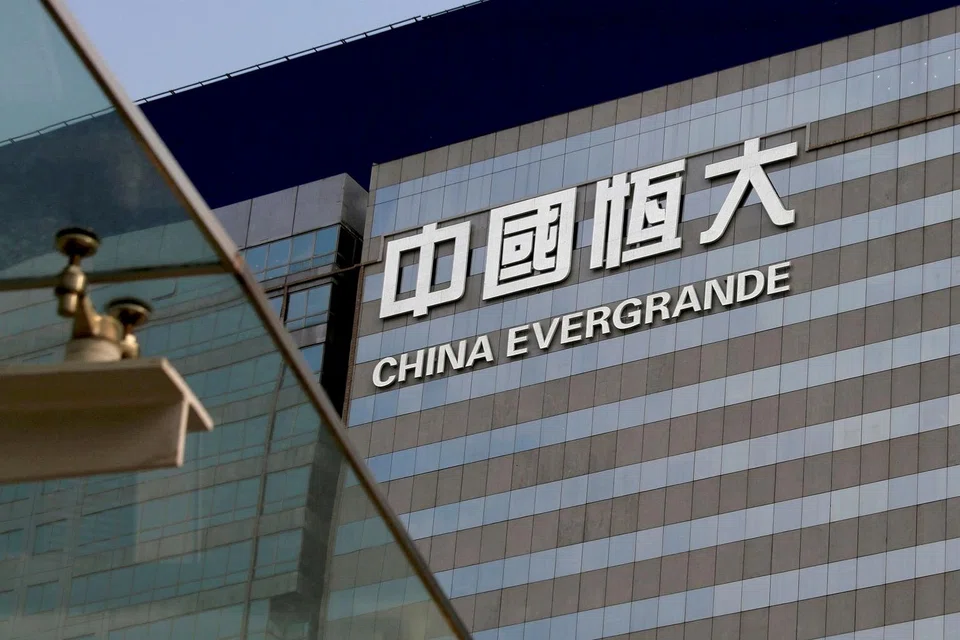
Hong Kong
CHINA Evergrande Group has secured an extension on a defaulted bond, financial provider REDD reported on Thursday (Oct 21), offering rare respite to the developer a day after a deal to sell a US$2.6 billion stake in its property services unit failed.
Evergrande has won a more than 3 month extension to the maturity of a US$260 million bond, issued by joint venture Jumbo Fortune Enterprises and guaranteed by Evergrande, beyond Oct 3 after agreeing to provide extra collateral, REDD reported, citing holders of the bond.
A source familiar with the matter said Evergrande chairman Hui Ka Yan has agreed to pump in personal wealth into a Chinese residential project tied to the bond to ensure it gets completed, paving the way for bondholders to get their dues.
The bondholders agreed to the proposal to avoid a messy collapse of the developer or a drawn-out legal battle, the source added.
News of the extension came after Evergrande said on Wednesday (Oct 20) it had scrapped a deal to sell a 50.1 per cent stake in Evergrande Property Services Group to Hopson Development Holdings as the smaller rival had not met the "prerequisite to make a general offer".
Both sides traded blame for the deal failure, with Hopson saying it does not accept "there is any substance whatsoever" to Evergrande's termination of the sales agreement, and it is exploring options to protect its legitimate interests.
The deal is the developer's second to collapse amid its scramble to raise cash in recent weeks. Two sources told Reuters last week the US$1.7 billion sale of its Hong Kong headquarters had failed amid buyer worries over Evergrande's financial situation.
The setback also comes just ahead of the expiry of a 30-day grace period for Evergrande to pay US$83.5 million in coupon payments for an offshore bond, at which time China's most indebted developer would be considered in default.
Evergrande, in an exchange filing on Wednesday, said the grace periods for the payment of the interest on its US dollar-denominated bonds that had become due in September and October had not expired. It did not elaborate.
"The scrapped transaction has made it even more unlikely for it (Evergrande) to pull a rabbit out of a hat at the last minute," said a lawyer representing some creditors, requesting anonymity as he was not authorised to speak to the media. "Given where things are with the missed payments and the grace period running out soon, people are bracing for a hard default. We'll see how the company addresses this in its negotiations with creditors."
Trading in the Hong Kong-listed shares of China Evergrande, its property services unit and Hopson all resumed on Thursday after a more than 2-week suspension. Evergrande lost 12 per cent and its property services unit dropped 6.5 per cent, while its electric vehicle arm plunged as much as 10.6 per cent. Shares of Hopson rose 5 per cent.
Mainland China's CSI 300 real estate index gained nearly 4 per cent.
Evergrande was once China's top-selling developer but is now reeling under more than US$300 billion of debt, prompting government officials to come out in recent days to say the firm's problems will not spin out of control and trigger a broader financial crisis.
Ratings agency Fitch said China's attempts to preserve strengthened risk controls over the property sector without magnifying a growth slowdown illustrate the difficult trade-offs its policymakers are facing.
If policy easing is too cautious, stress could spread to other parts of the economy and the financial system, while a substantial loosening of credit conditions could raise system leverage and set back efforts to control financial risks, it added.
Since the government started clamping down on corporate debt in 2017, many real estate developers have turned to off-balance-sheet vehicles to borrow money and skirt regulatory scrutiny, analysts and lawyers said.
Statements from other property developers on Thursday exacerbated investor concerns of contagion.
Chinese Estates Holdings said it would book a loss of US$29 million in its current fiscal year from the sale of bonds issued by property developer Kaisa Group Holdings.
And Modern Land (China) Co said it had ceased seeking consent from investors to extend the maturity date of a dollar bond due on Oct 25.
It said it plans to engage a financial adviser to come up with a solution to its liquidity issues.
The company's Hong Kong-listed shares were suspended from trading on Thursday, while its bonds slumped. Its 11.95 per cent March 2024 bond traded down nearly 20 per cent at below 21 cents, according to data provider Duration Finance. Kaisa saw its 11.65 per cent June 2026 bond fall more than 8.5 per cent to 28.8 cents.
Modern Land's decision weighed on investors' mood, said Clarence Tam, fixed income portfolio manager at Avenue Asset Management in Hong Kong. "The market is worried all single-B companies will choose not to pay," he added. REUTERS
Decoding Asia newsletter: your guide to navigating Asia in a new global order. Sign up here to get Decoding Asia newsletter. Delivered to your inbox. Free.
Share with us your feedback on BT's products and services