

Far East Hospitality positions itself for the long haul as it expands footprint
It inks three new management contracts in core markets Singapore, Australia and Japan

Nisha Ramchandani
Singapore
AMID an ongoing pandemic, Far East Hospitality is betting on the long-term potential of the tourism industry: It is pushing ahead with expansion plans, having inked three management contracts in its core markets Singapore, Australia and Japan.
The pandemic will transform travel patterns and the hotel operator is positioning itself to capitalise on these opportunities in the future, chief executive Arthur Kiong told The Business Times (BT) in an interview.
"We have a very long (-term) view on where our business will be headed. Even though the immediate future does not look bright, we think the crisis will change the tourism landscape significantly in the key markets we're operating in," he said.
Singapore's upcoming Greater Southern Waterfront, for example, will be a game-changer, he reckons. "Travel over the next few years is going to be inconvenient, even with vaccines. We have to be unique," he stressed. Hotels must thus be able to leverage the surrounding precinct to deliver compelling experiences for guests.
Where the Singapore tourism industry is concerned, Mr Kiong also sees the shift from mass tourism to high-value tourism as promising, and expects the pandemic will create opportunities for segments such as medical tourism to make a comeback.
"The pandemic repositions Singapore as a place that is safe and clean. When medical tourism makes a comeback, we too want to be ready for that," he added. In this respect, Far East Hospitality already has hotel properties near medical clusters such as Novena, Orchard and Bugis.
The company, a joint venture between Far East Orchard and The Straits Trading Company, has nine brands of hotels, serviced residences and apartment hotels, namely, Oasia, Quincy, Rendezvous, Village, Far East Collection, Adina Hotels, Vibe Hotels, Travelodge Hotels and TFE Hotels Collection.
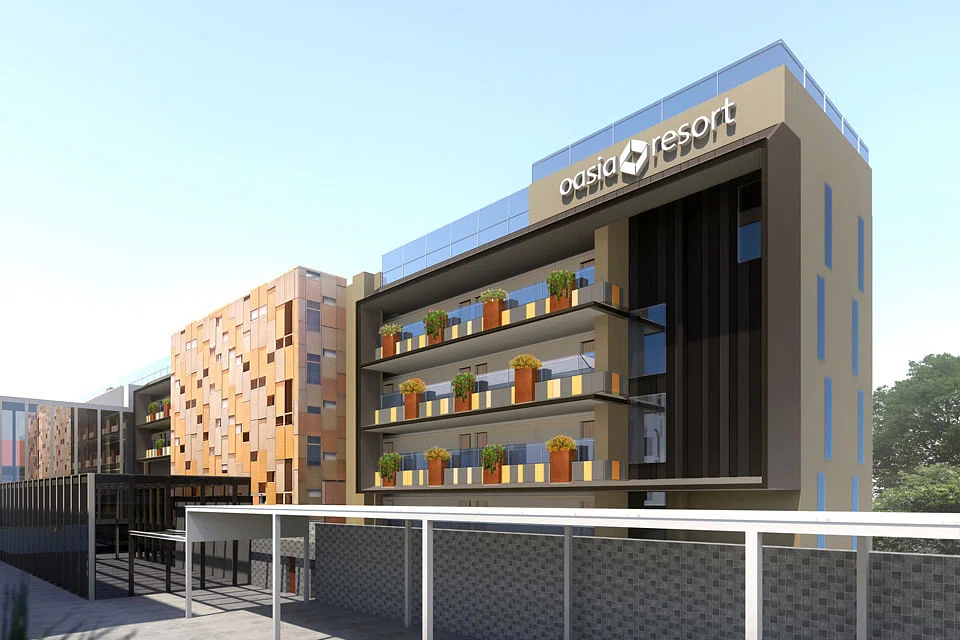
In the second quarter of 2021, Far East Hospitality will, in a calculated move, open its fourth property on Sentosa. This will add to the Village Hotel Sentosa, The Barracks Hotel and The Outpost, which all cater to different demographics.
The 191-room Oasia Resort Sentosa operated under the Le Meridien banner until last month; it will next come under the Oasia brand, after Far East Hospitality clinched a management agreement from Far East Organization. Far East Organization purchased the property in mid-2019, after it was put up for sale in 2018.
Oasia Resort Sentosa represents the hotel management company's foray into the resort and spa category, featuring offerings such as healthy cuisine, among other things.
The pandemic has prompted Far East Hospitality to operate its own spa at Oasia Resort Sentosa, while working with Far East Organization on a concept restaurant for the hotel so it can differentiate the experience from those offered by competitors.
Elsewhere in the region, Mr Kiong expects increased intra-Asia travel in the future, zeroing in on markets such as Japan, Vietnam and Australia.
"Domestic tourism is going to take centre stage for some time to come," he said. "You want to be in markets where there is very buoyant and robust domestic tourism growth."
Far East will open a second Village property in downtown Yokohoma, Japan, in the second quarter of 2021, after opening its first property in Japan, the Far East Village Hotel Ariake, this year.
The 277-room Far East Village Hotel Yokohama property is owned by Far East Organization and will be targeted at business travellers.
"Tourism in Japan has picked up gradually since the easing of travel curbs and the resumption of reciprocal green lanes for business and official travel," said Mr Kiong.
"We are also hopeful that launching the property will give us the opportunity to capture the domestic market."
Finally, the Quincy Hotel Melbourne is slated to open in Q1 2021, making it the first Quincy property outside Singapore. The property is owned by a third party. Far East Hospitality is working together with its joint venture partner Toga Far East Hotels (TFE) to manage the hotel.
Even as the tourism industry battles one of its biggest crises yet, there are still opportunities for an owner-operator such as Far East Hospitality to take advantage of, Mr Kiong told BT. This includes gunning for new management contracts amid industry consolidation, as well as seizing the opportunity to pick up properties that might be on the market at good value.
Globally, the recovery is proving uneven, with some countries being able to fall back on domestic demand to revive tourism. For now, he expects that a strong recovery for Singapore tourism will materialise only in the second half of 2021, given that international borders are still largely shut and business travel comes with stringent requirements such as testing and pre-approved itineraries.
This year, Singapore's hotel industry has been propped up by government contracts that block off hotels as dedicated government quarantine facilities (GQFs) and Stay-Home Notice (SHN)-dedicated facilities. Hotels also cater to those displaced by Malaysia's movement control order and been supported by the Jobs Support Scheme (JSS), Mr Kiong noted.
However, as the situation in Singapore is contained, the need for such dedicated facilities will dwindle, which will present a challenge as Singapore concurrently reopens its borders in a slow, measured way, he pointed out.
The JSS, which subsidises staff costs, is slated to taper off from March next year.
While the flurry of bored Singapore residents booking staycations helps with business somewhat, it may not be enough on its own. Staycations by Singaporeans would typically account for 10 per cent of their overall room inventory, said Mr Kiong, although he hopes that number will go up this year.
Performance also varies, with destination hotels such as those on Sentosa doing better than those catering to business travellers.
Far East Hospitality manages (directly or indirectly) 100 hotels and serviced residences in eight countries - Singapore, Australia, Denmark, Germany, Hungary, Japan, Malaysia and New Zealand. Of these, some 40 per cent are owned by Far East-related entities.
TRENDING NOW

If Europe goes to war, the fallout will be felt in East Asia
Firms linked to haze pledge cooperation in meeting with Shanmugam; government to table changes to haze law

Indonesia stocks suffer worst plunge in nearly 30 years as MSCI proposes standalone status

Keppel seeks US$1 billion for Vietnam investments as it joins country’s international financial centre

