'High-rise' schools in the city?
Singapore
GUOCOLAND Singapore has been trying to push the envelope on what an integrated development here could look like.
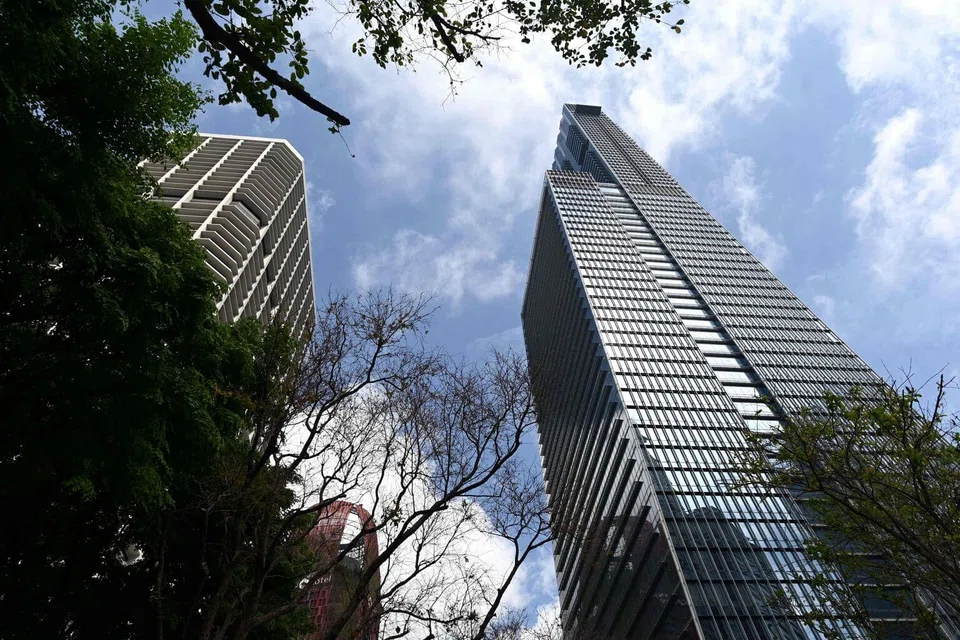
For example, at its first such project at Guoco Tower, it created a 150,000 sq ft park in order to create a "clear focal point" for the Tanjong Pagar district.
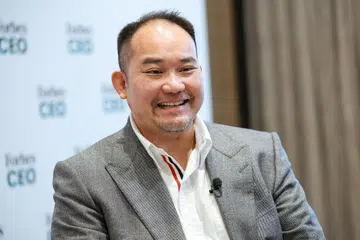
GuocoLand Singapore's group managing director, Cheng Hsing Yao, said: "We could have built a six-storey building on top of the MRT station but we wanted to preserve the feeling of that large public space."
At Guoco Midtown, it will allow residents at the condo component and office tenants alike to use facilities at Midtown Hub, a "social and business club" at an annexe block with facilities like a swimming pool and jogging circuit.
The idea is to make the integrated development "an extension of the residential space," he said.
In this year's Draft Master Plan 2019, the Singapore government unveiled plans to increase housing in the city centre like Downtown, Marina South and Rochor.
In the Central Business District, the government is also incentivising developers to convert older offices into mixed-use buildings to promote work, live and play.
But to make city living more attractive, Mr Cheng suggested integrating mixed developments in the city elements like enrichment facilities or childcare centres - or even integrate "high-rise" schools into developments.
For such efforts to become reality it may require not just the private sector but also the Government to play a role, he added.
Mr Cheng used to hold leadership positions at the Centre for Liveable Cities and the Urban Redevelopment Authority before joining GuocoLand in 2012.
He said it is important to study why "certain groups of people are not coming into the city."
Mr Cheng said: "I feel that the families with school-going kids or families with kids soon going to school will find (city-living) not so attractive, because there isn't a lot of the sort of educational, community amenities in the city.
"In order to make the city centre more attractive, we have to make it also more like the housing estate, where it is very well planned with all the social and community amenities."
Fancy infrastructure and parks aside, what else could an integrated development deliver in the future?
Mr Cheng said it may be possible to explore how such developments can help build identity and culture here.
He said: "Using the analogy of Maslow's Hierarchy of Needs, as we keep pushing and pushing we'll get to think about the self-actualisation type of needs in our developments - not just mixed developments, but even residential developments."