

Reitas picks new president and spells out plans to engage regulators
It seeks to discuss with regulators issue of lifting gearing cap for S-Reits; plans to compile rules into single guidebook and educate investors on Reits
Singapore
AMONG the issues the Reit Association of Singapore (Reitas) hopes to bring up with various regulators is that of lifting the gearing cap for Singapore-listed real estate investment trusts (S-Reits).
Other issues it plans to address are the consolidating of all guidelines governing S-Reits into a single rule book, and getting clarity on lease top-ups for older industrial properties.
Reitas, which now represents 85 per cent of S-Reits by market cap, said it is also looking to educate investors on Reits with overseas exposure, given the growing numbers of foreign Reit listings and local Reits buying overseas assets.
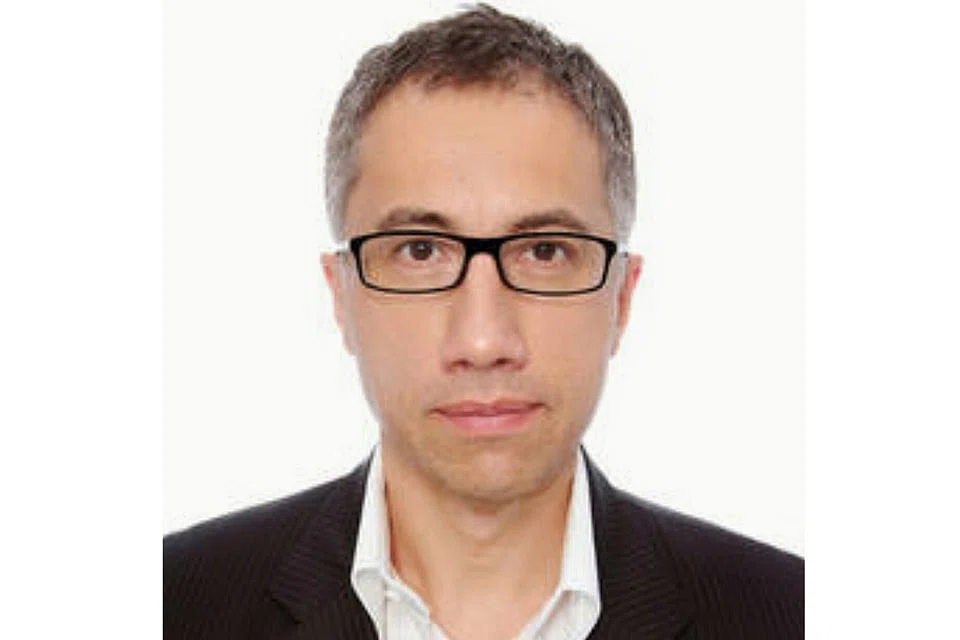
At its annual general meeting on Friday afternoon, the four-year-old association appointed CapitaLand group chief financial officer Andrew Lim as its new president, and unveiled a new executive committee.
Outgoing president Chua Tiow Chye, who has served as Reitas president since 2014, told reporters after the meeting that as the S-Reits' asset portfolios become more global, the current 45 per cent gearing limit hinders them from optimising natural hedges against currency risks when they acquire overseas assets, because the gearing limit constrains them from taking on more overseas debt.
It also makes S-Reits less competitive than private funds, which can typically take on 60 per cent leverage in their acquisitions, said Mr Chua, who is also deputy group chief executive of Mapletree Investments.
"In many countries, there is no cap on the gearing ratios. They leave it to the banks to decide whether to allow a higher gearing or not."
The gearing limit also makes it difficult for private funds holding overseas assets to list as Reits in Singapore, because lowering their gearing will compress their distribution yields, he added.
New Reitas president Mr Lim said one reason the perpetual securities market has blossomed is that Reits are unable to raise funds as effectively as private equity funds. But if this playing field were to be levelled, Reit managers will depend less on such products.
In the interest of protecting unitholders, however, Mr Chua reckoned that it is viable to return to the previous two-tier rule of having a 45 per cent gearing limit for Reits without a credit rating, and 60 per cent for those that are rated.
Meanwhile, the many rulebooks governing Reits have made it daunting for aspiring Reit listings. This is why Reitas is looking at consolidating the guidelines affecting S-Reits into a single rulebook.
Reitas is also discussing with JTC on the issue of depleting leases in older industrial buildings, to give Reit managers clarity well in advance on the potential for lease top-ups, so that they can decide whether to enhance the asset or recycle capital from it.
Another area in which Reitas is working with regulators is that of the new licensing requirement under the Council for Estate Agencies (CEA) for the leasing of the Reits' properties to another party.
Mr Chua said that while some Reit managers have gone ahead with the licensing, Reitas is still hoping to gain exemption on this for the Reits.
Over the past year, Reitas members have offered feedback to regulators and met the relevant authorities to discuss key issues facing S-Reits. The association has also released its own best-practices guidelines for Reits.
Mr Lim noted that the S-Reits sector has become more diverse; it now includes sponsored Reits, new asset classes like healthcare and data centres and Reits with overseas assets.
Reitas is planning an inaugural conference on July 3 to allow members to connect with one another. Reitas and the Singapore Exchange have also launched a new Reits Global Education Series, a bi-annual event aimed at raising investors' knowledge on Reits with overseas exposure. The first seminar takes place on May 31.






