Singapore property players can still score from student housing in overseas markets
But in post-Covid recovery, investors should be aware of the stronger demand for top-ranked universities


Singapore
IT IS not only residents of the United Kingdom and the United States who are cheering the speed at which populations in these countries are being vaccinated and the ensuing relaxation of Covid-19 related restrictions.
International students of universities in these countries will be eager to get on to campuses in September to start or resume their studies.
The safe return of students to campuses will be welcomed by British and American varsities, and various Singapore groups who have actively invested in purpose built student accommodation (PBSA) properties in the UK and USA.
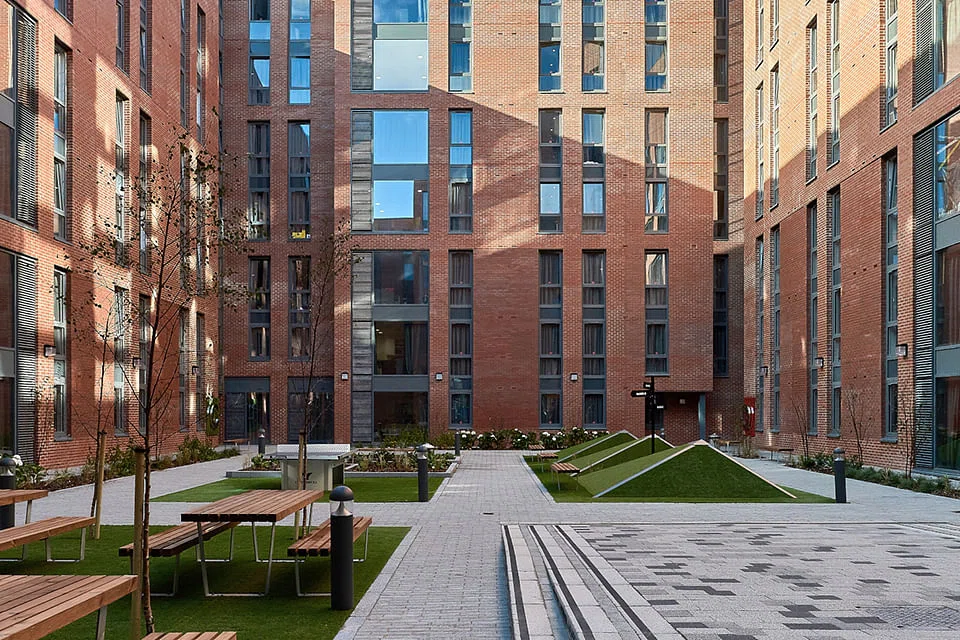
With universities unable to fully meet the housing needs of students, vibrant markets of rental housing targeting students and PBSA have emerged.
PBSA owners tout the all-in-one offering of services and facilities such as Wi-Fi, utilities, security, and common area cleaning, plus the provision of amenities such as TV rooms, gyms, laundry machines, and pool tables as advantages over rental housing.
Temasek Holdings' wholly owned subsidiary Mapletree Investments, whether directly or through private funds, is active in student housing, with assets under management of around S$3.7 billion.
According to Mapletree Investments' latest annual report, its portfolio in student housing comprises 51 assets with over 22,000 beds located across 34 cities in the UK, USA and Canada.
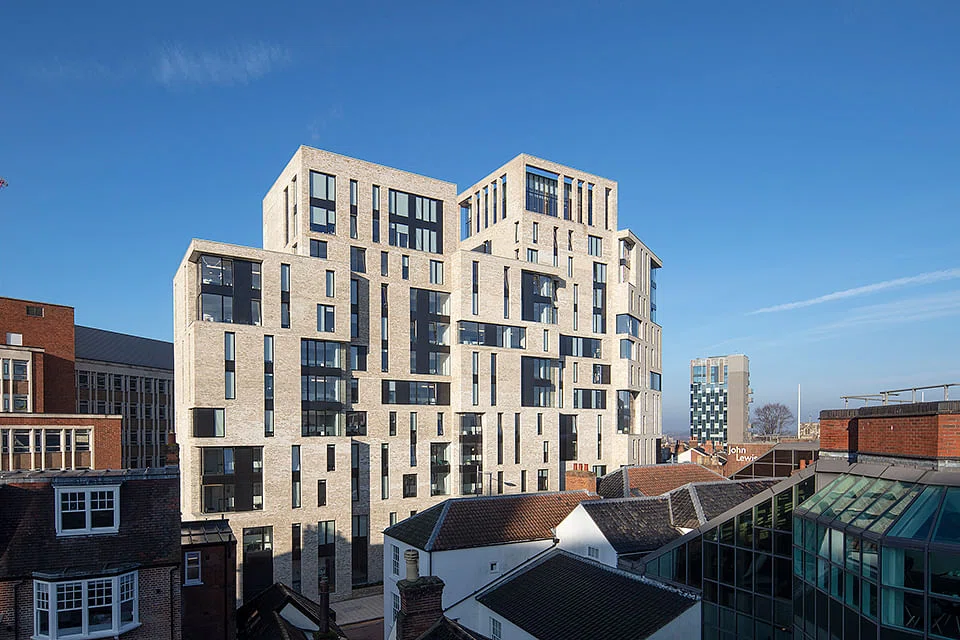
Singapore Press Holdings (SPH), which publishes The Business Times, owns, manages and develops PBSA assets in the UK and Germany. Its PBSA portfolio in the UK consists of more than 7,000 beds.
SPH runs a dual brand strategy with its Capitol Students brand targeting local students and Student Castle focusing on international students. Rates for ensuite beds at the later can be around 80 per cent higher than at the former.
Mapletree Investments and SPH are among the top 10 private sector owners of PBSA beds in the UK.
Far East Orchard started diversifying into PBSA in the UK in 2015. As at end-2020, its PBSA portfolio comprised over 3,500 beds across 12 UK properties.
A recent entrant into the UK's PBSA market is Metro Holdings, which established a student housing fund with Lee Kim Tah and Woh Hup. This fund made acquisitions in Warwick and Bristol in December and January respectively.
Investors in student housing may be on to a winner amid the growth in higher education.
The number of full-time students in higher education in the UK reached a record 2.015 million in the academic year from around September 2019 to around June 2020, up 3.9 per cent from a year ago.
The number of undergraduates and postgraduates grew 2.3 per cent and 10.5 per cent respectively, with a fifth of students studying at the postgraduate level.
Among students in higher education in the UK, 26 per cent came from outside the UK.
Over a five year period, the number of international students rose 27 per cent, outpacing the 14 per cent increase in student numbers.
According to the Universities and Colleges Admissions Service, a record number of students will start university or college this autumn in the UK. Undergraduate application data as at June 30, 2021, shows a rise in applications to and offers made by universities and colleges of around 6 per cent and 3 per cent respectively year-on-year for the upcoming academic year.
To be sure, university life has been disrupted by the pandemic. Classes and convocation ceremonies moved online when it was deemed unsafe to be on campuses.
So if the pandemic is better contained, will remote learning still make inroads at the expense of physical classes? Imagine superstar lecturers or prestigious universities sharing lectures and materials online, with students tuning in from all over the globe.
But young people will likely still treasure being on campus to forge friendships, collaborate on project work or live independently. Overseas students may value the experience of living in another country.
Varsities could offer a mix of physical classes with online learning, resulting in students requiring housing around campus for shorter durations.
What about the value of a university degree? The allure of a university education could fall should graduates be unable to secure graduate level jobs.
Conversely, more people may pursue postgraduate education, hoping that better academic credentials give an edge in the fight for jobs. Universities may also find ways to better collaborate with working adults in their life long learning journeys.
Given this, investors in PBSA assets should be aware of the flight to quality. More students clamour to enter higher ranked universities to enhance their career prospects.
In the UK, high tariff institutions, which require better academic scores from applicants, are seeing faster growth in student population than low tariff ones.
Given the intense competition for good jobs, expect students and parents to be careful in selecting universities. For investors in PBSA assets, this means putting monies in locations of sought after universities.
Investing in student housing is akin to investing in the longer-stay end of the hospitality segment. Coming out of the pandemic, serving students who lease housing for a year could trump serving business travellers who may make fewer trips amid wide adoption of virtual meetings or leisure travellers who may be cautious on international travel.
Weighed down by performance of its hospitality assets, Far East Orchard posted operating losses in the first quarter of 2021. Losses were somewhat mitigated by contributions from its PBSA segment.
As at end-March, the group's PBSA portfolio's occupancy level was over 80 per cent. The group is seeing healthy levels of demand and pre-bookings for the upcoming academic year.
Hospitality trust Ascott Residence Trust (ART) made its maiden student housing acquisition of a freehold property with 525 beds in Atlanta, Georgia, USA for US$95 million earlier this year.
ART's manager believes that adding student housing to the portfolio of mainly serviced apartments, will enhance the stability of the portfolio and mitigate near-term headwinds faced in the hospitality sector. ART aims to grow rental and student housing to make up 15 to 20 per cent of its portfolio in the medium term.
Last month, CapitaLand together with ART announced they will jointly invest and develop a freehold student housing asset in South Carolina, USA for around US$109.9 million.
This development has features akin to condominium projects. Each of the 247 units comes with a fully equipped shared kitchen, and appliances such as a washer and dryer. Shared amenities include a fitness centre, study lounges, a coffee bar, and jumbotron TV on an elevated deck with swimming pool and cabanas.
Amid Brexit and the pandemic, yield in super prime regional PBSA assets in the UK compressed from just under 6 per cent in the last quarter of 2016 to just under 5 per cent in the last quarter of 2020. Buyers need to be careful to not overpay for PBSA assets.
According to a Bloomberg report citing people familiar with the matter, Mapletree Investments may list a student housing real estate investment trust (Reit) here, perhaps as early as next year, that could raise about US$1 billion.
Such a listing will broaden the asset classes available in the local Reit market. Investors here may need little convincing that people will spend to secure a good education.
Should PBSA Reits thrive in Singapore, expect more local players to seek returns from student housing.