Singapore ranks 12th in global real estate transparency index
JLL says the Republic should make use of property technology to improve in areas such as debt and equity holdings
Lisa Kriwangko
Singapore
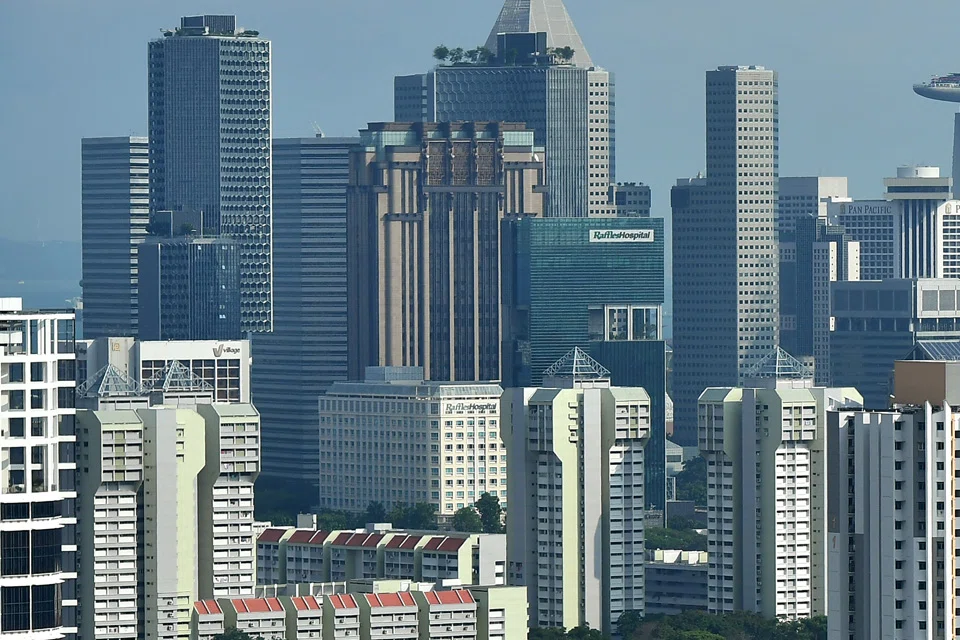
SINGAPORE ranks 12th in JLL's Global Real Estate Transparency Index (GRETI) 2018, which scores countries based on their investment performance, market fundamentals, governance of listed vehicles, regulatory and legal frameworks, transaction process and environmental sustainability.
Along with Hong Kong and Japan, the three mature Asia-Pacific economies are on the brink of joining the "highly transparent" tier.
According to JLL, they have significant opportunities to advance real estate transparency through the use of proptech (property technology).
"The proptech sector is growing fast, especially in Asia, though adoption is still relatively low compared to North America and Europe," said Jeremy Kelly, director of global research programmes at JLL.
"We believe the Singapore government could play a key role in promoting proptech adoption through open-data initiatives and the pioneering of blockchain technology," he added.
In addition to promoting transparent markets, proptech can also be used to improve transparency in other areas.
"Singapore has come in within the top 20 in the areas of performance measurement, market fundamentals and governance of corporate vehicles, but is out of the top 20 for the remaining areas," said Tay Huey Ying, head of research and consultancy at JLL Singapore.
"To advance, efforts could be geared towards improving financial transparency in real estate debt and equity holdings, as well as elevating transparency around the occupier services aspects of the transaction process.
"There is also opportunity to enhance transparency of sustainability frameworks and practices, perhaps through stricter energy consumption disclosure, for example. These could form some of the proptech focus for the recently launched real estate industry transformation map," she explained.
On a broader scale, the report noted that Asia-Pacific has shown the largest improvement among all the regions.
According to Megan Walters, head of Asia-Pacific research at JLL, this may be credited to South Korea's new carbon emissions trading scheme and India's real estate regulatory act implemented in 2017.
Meanwhile in South-east Asia, Myanmar is experiencing greater market intelligence, Thailand is taking steps to digitise its land registry and Macau is focusing on anti-money laundering regulations.
Improvements in transparency in some Asian countries have been accompanied by record-breaking commercial real estate investment volumes. In 2017, real estate transactions in the Asia-Pacific region reached a record US$149 billion.