

UK commercial real estate looking to cut debt
Pandemic is also forcing businesses to make structural shifts
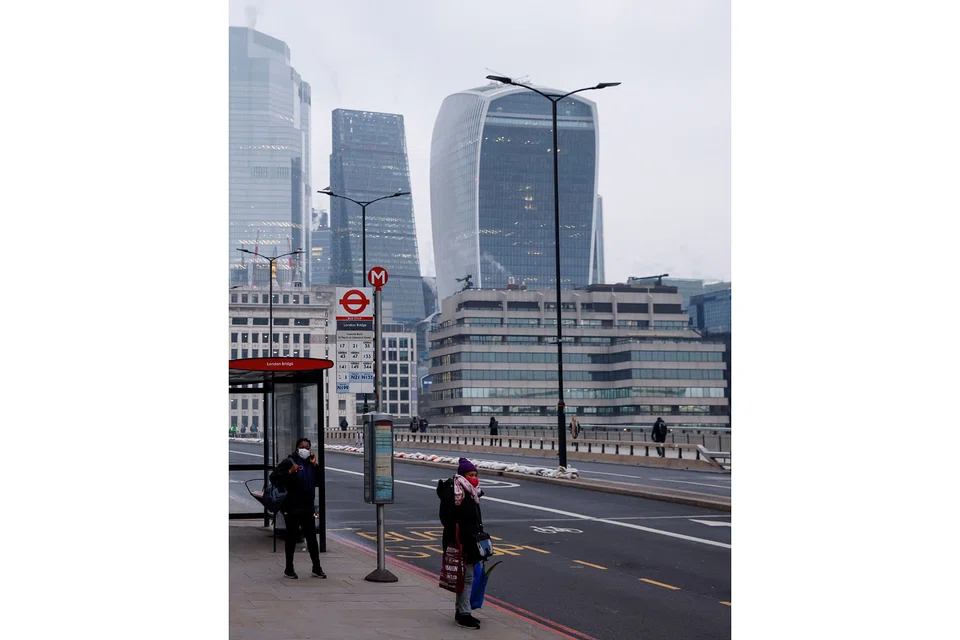
London
BRITISH commercial property companies are looking to reduce their debt and be flexible as the real estate market is predicted to take up to two years to recover from the economic downturn.
Reports by property consultant CBRE and agents Knight Frank and Cluttons state that the renewed restrictive lockdown in the UK, due to the coronavirus pandemic, has placed even more pressure on retail properties in the high streets.
The government is encouraging employees and freelancers to work at home as much as possible, and this policy is fast emptying offices in London and other cities.
"The pandemic will continue to weigh on real estate throughout 2021, although each sector will be affected differently," said Jennet Siebrits, the head of CBRE's UK research.
"The British worker, employer, consumer, homeowner or renter will never return to pre-pandemic habits. It is a new beginning for UK real estate in 2021. With change comes opportunity, and the trick for the informed decision-maker is to identify those opportunities now."
Hammerson, one of the biggest commercial property companies in the UK, illustrated some strategies which are being applied. The company had a sizeable equities rights issue and sold several assets to slash its debt.
Its CEO David Atkins said a series of transactions will recapitalise the business and reduce leverage by a quarter. "We will continue to dispose of assets and recycle capital from across the portfolio. The pandemic has exacerbated structural shifts in retail business," he said.
"This has exerted pressure on both property owners and brands, and provided evidence that the UK's historic leasing model has served its time. It is outdated, inflexible and needs to change."
Hammerson is introducing a simpler UK leasing approach that will deliver a growing income stream, Mr Atkins added.
Apart from offering sponsorship, promotions, advertising and branding to help tenants, it also intends to convert a former Debenhams department store into homes.
Overall, UK office investment was down by 56 per cent in the second and third quarters of 2020, according to CBRE. But a rebound is expected later in 2021, especially when travel restrictions are gradually lifted.
The office investment market, especially in central London, is heavily reliant on overseas investors. An inability to travel has been a barrier to UK transactions.
An easing of travel restrictions should gradually facilitate activity, said CBRE. It hopes this demand will come from sovereign wealth funds, overseas institutions and European funds.
In the meantime, property firms are weighed down by failures of large retail shopping chains such as Debenhams and Arcadia.
Hefty borrowings in the past years have become a burden. According to a commercial real estate lending report by Cass Business School in London, new loans were £93.4 billion (S$167 billion) in a two-year period ending in 2019. Even before the pandemic, loan defaults had risen by a whopping 36 per cent in 2019.
The report stated that the coronavirus pandemic may cause further retail shop loan write-offs and debt losses of some £9 billion.
Construction delays and contract defaults could affect another £22 billion of bank and other loans, with over £44 billion in real estate debt needing to be refinanced in 2021. This indicates that bank bad debt provisions will rise sharply this year.
TRENDING NOW

OCBC customers face difficulties accessing online, mobile banking services

SGX CEO Loh Boon Chye to step down; succession planning under way

Waymo founder predicts ‘landslide’ robotaxi adoption in Singapore, driven by high car costs

Vietnam’s northern provinces, not Hanoi or Ho Chi Minh City, are powering near 10% GDP growth

