

UK house prices continue to defy slowdown fears: Halifax
 Add BT as a preferred source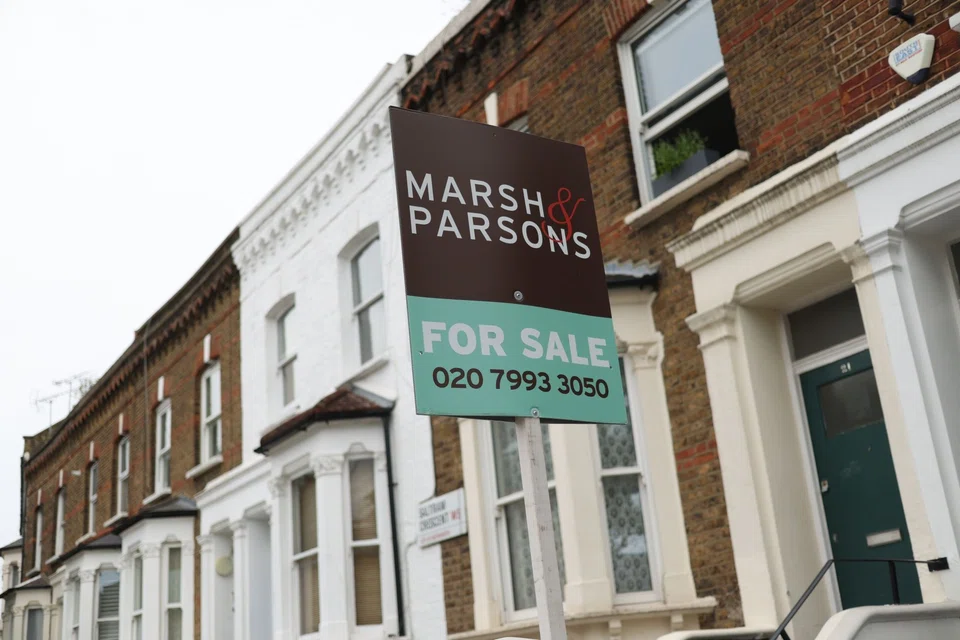
DeeperDive is a beta AI feature. Refer to full articles for the facts.
UK house prices continued to shrug off fears of an economic downturn and the cost of living crisis, posting the biggest monthly rise since early 2007 in June, according to Halifax.
A shortage of properties coming on to the market combined with continuing strong demand saw prices rise 1.8 per cent from May, a 12th consecutive monthly increase, the mortgage lender said in a report Thursday (Jul 7).
Compared with the same month last year, prices were up 13 per cent - the fastest annual growth rate since late 2004. It took the average property value to a new record of £294,845 (S$494,205).
“The UK housing market defied any expectations of a slowdown,” said Russell Galley, managing director at Halifax.
The findings contrast with recent signs that the market is cooling. Rival lender Nationwide Building Society said last week that prices rose just 0.3 per cent in June, and Zoopla reported that sales agreed in May were down 13 per cent year on year.
Rising Bank of England interest rates, which have been lifted from 0.1 per cent to 1.25 per cent since December last year, and soaring inflation are doing little to dampen growth, Halifax said.
Navigate Asia in
a new global order
Get the insights delivered to your inbox.
Mortgage lending data last week suggested the property market remains well underpinned, at least in the short term, with the number of loan approvals unexpectedly rising in May.
Galley said the resilience of the market was because home buyers tend to be wealthier households, who still have a stock of excess savings built up in the pandemic. They are also not as affected by rising inflation as poorer households.
However, he warned that the housing market cannot “remain immune from the challenging economic environment”.
“In time, increased pressure on household budgets from inflation and higher interest rates should weigh more heavily on the housing market,” he said.
Halifax research shows affordability is becoming stretched. “The strong rise in property prices over the last 2 years, coupled with much slower wage growth, has already pushed the house price to income ratio to a record level.”
Out of balance
For the moment, UK property remains in hot demand and supply limited. The shift in demand toward bigger properties is also driving prices up. Average prices for detached houses rose by almost twice the rate of apartments over the past year, up 13.9 per cent versus 7.6 per cent.
“Demand is still strong – though activity levels have slowed to be in line with pre-Covid averages – while the stock of available properties for sale remains extremely low,” Galley said.
“Property prices so far appear to have been largely insulated from the cost of living squeeze. This is partly because, right now, the rise in the cost of living is being felt most by people on lower incomes, who are typically less active in buying and selling houses.”
“In contrast, higher earners are likely to be able to use extra funds saved during the pandemic, with latest industry data showing that mortgage lending has increased by the highest amount since last September.”
Northern Ireland once again topped the table for annual house price inflation, up by 15.2 per cent, equating to an average property price of £187,833. BLOOMBERG
Decoding Asia newsletter: your guide to navigating Asia in a new global order. Sign up here to get Decoding Asia newsletter. Delivered to your inbox. Free.
Share with us your feedback on BT's products and services
TRENDING NOW

Shelving S$5 billion office redevelopment plan proved ‘wise’ as geopolitical risks mount: OCBC chairman

Eurokars Group introduces rental car franchises Enterprise Rent-A-Car, National Car Rental, and Alamo to Singapore

20 photos that show how dramatically Singapore has changed in two decades
Singapore’s key exports up 15.3% in March from electronics surge, exceeding forecasts

