Corporate governance and sustainability
Winners of the Singapore Corporate Governance Awards share how companies can prepare for the future

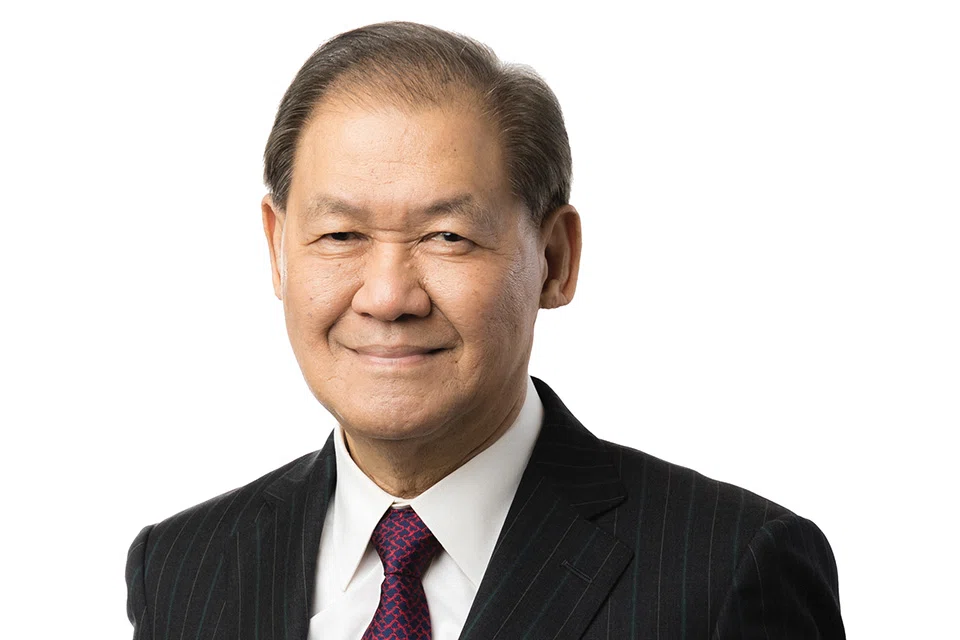

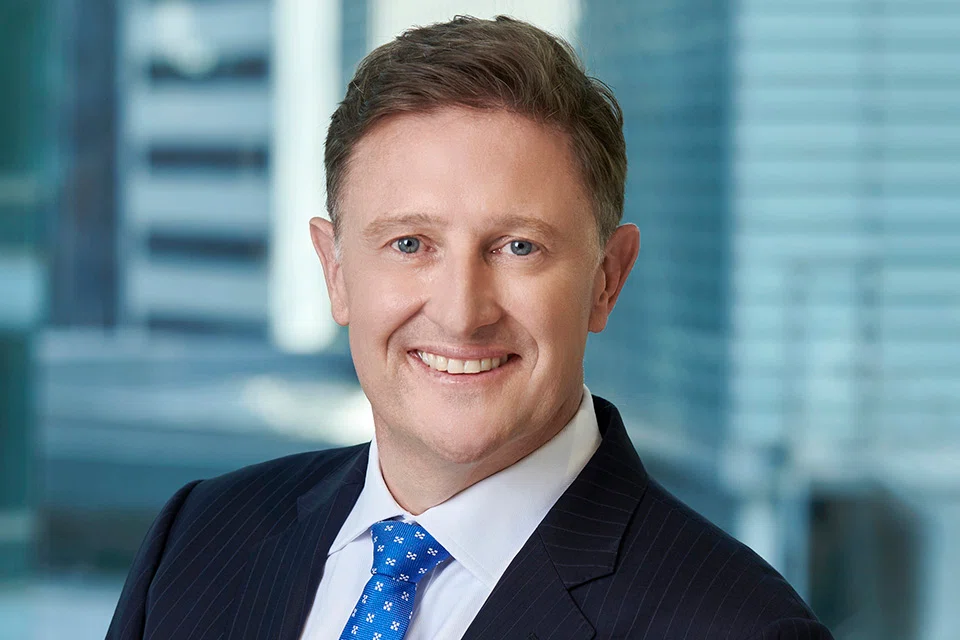

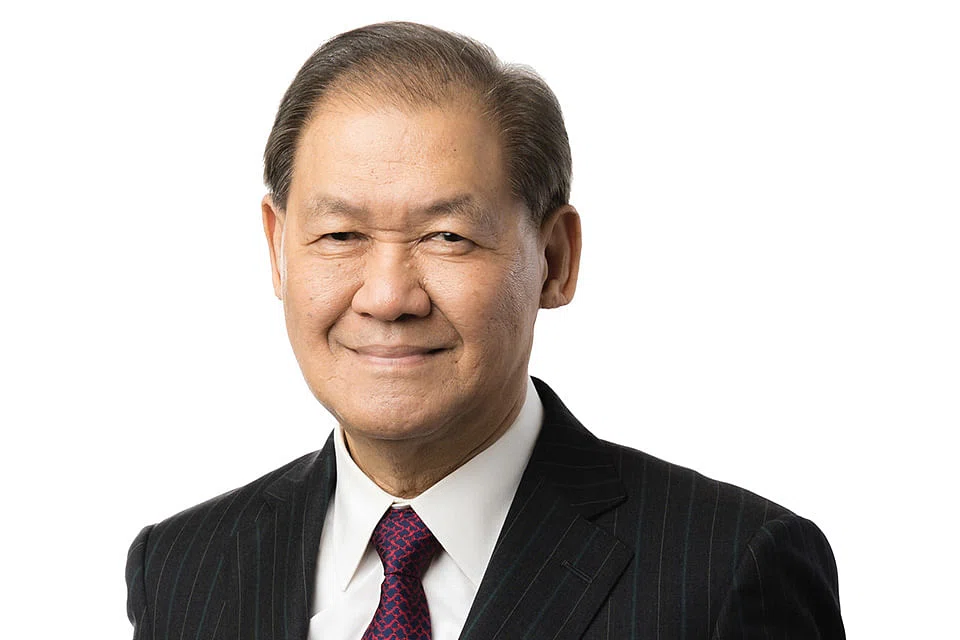
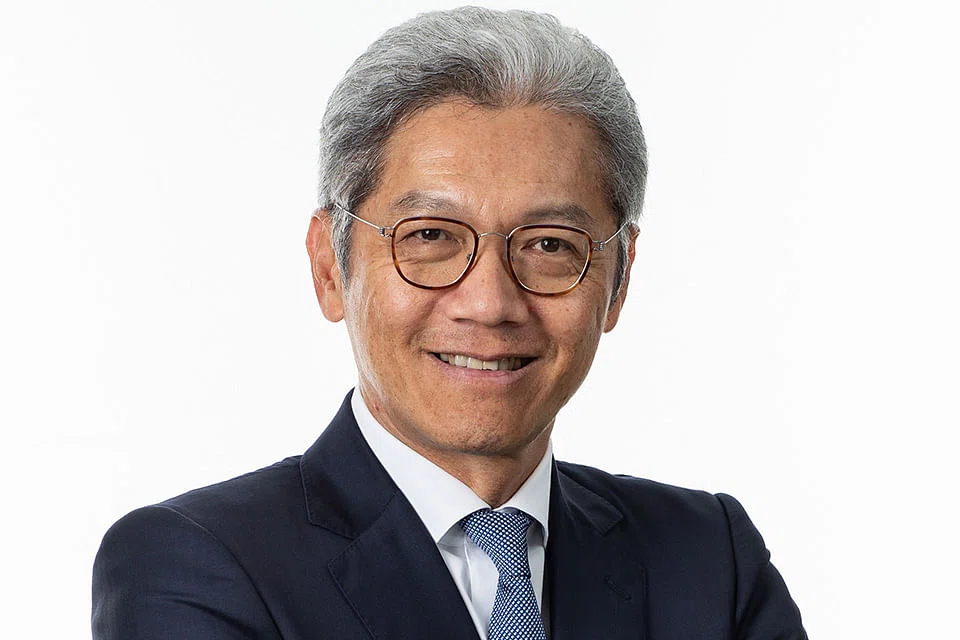
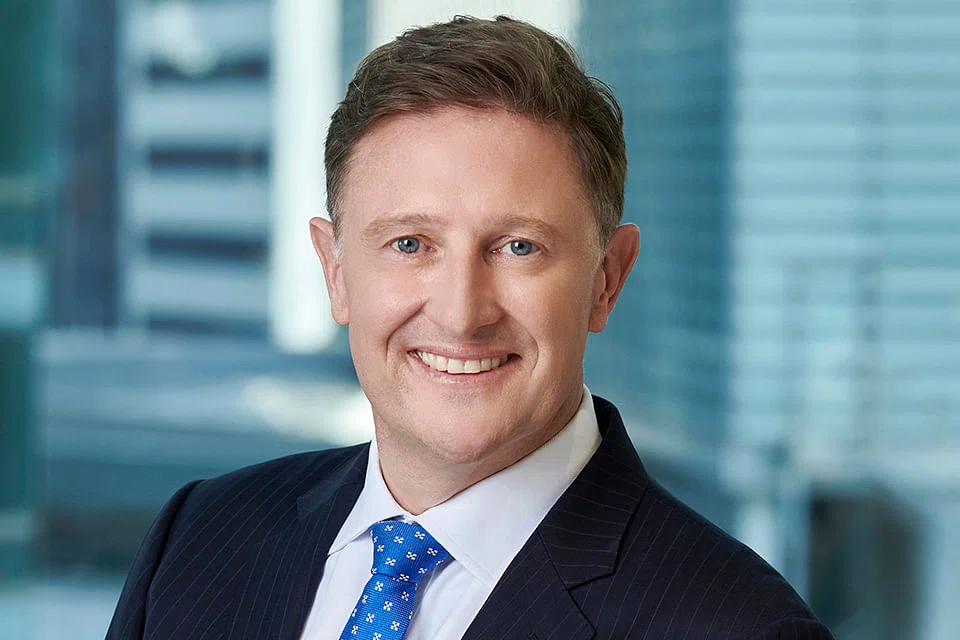
ROUND-TABLE PARTICIPANTS
- Danny Teoh, chairman, Keppel Corporation
- Rolando Gapud, executive chairman, Del Monte Pacific (DMPL)
- Lee Sze Leong, CEO, Sing Investments & Finance
- Simon Garing, CEO, Cromwell EReit Management, manager of Cromwell European Reit (CEReit)
Moderator: Raphael Lim, correspondent, The Business Times
Q: What are some examples of how the company's business performance has benefitted from its focus on corporate governance?
Teoh: In a survey of internal and external stakeholders, many respondents identified being a "trusted company" as one of Keppel's key strengths.
Trust, built on strong corporate governance, together with Keppel's reputation for strong execution, has helped us secure many projects over the years from both public and private sector customers, in Singapore and overseas.
Global investors, including sovereign wealth funds and pension funds, are also keen to invest with Keppel on projects. For example, despite the continuing impact of Covid-19, Keppel Capital raised equity of about S$2 billion in the first half of 2021 from global institutional investors across its various funds and separate account mandates.
Gapud: Having a culture of corporate governance that emanates from the top means that corporate governance permeates across the organisation and our engagement with external stakeholders. Internally, there is a sense of pride and appreciation from our employees to be part of a company that values corporate governance.
External stakeholders such as investors and bankers have a higher comfort level when working with a company with good corporate governance policies and practices. We continue to be open to our stakeholders amid these times.
Lee: It is important to inculcate the culture of doing the right thing in all aspects of our business, from promoting transparency, managing business performance, having robust internal controls and risk management to engaging with the various stakeholders.
These practices have become the pillar of our corporate governance structure. Our emphasis on corporate governance helps us to maintain the trust and confidence of all our stakeholders including our shareholders, customers and staff.
We are able to continue to attract new depositors and quality customers even during the pandemic, primarily due to the trust and confidence they have in us. Their continual support reinforces our position that good corporate governance and culture will eventually translate into an enhanced brand name, steady growth in revenue and customer base, and sustainable value creation.
Garing: CEReit has adopted its sponsor Cromwell Property Group's steadfast commitment to high standards in environmental, social and governance (ESG). Corporate governance is one of the three components of ESG, and as such, inextricably weaved into our business operations.
As part of the practice of good corporate governance, we pride ourselves on having one of the most detailed and comprehensive corporate disclosures in the market and active investor engagement year-round. This has become CEReit's hallmark and has helped build trust and support from our unitholders.
Our extensive two-way stakeholder engagements not only provide the market with regular updates but also allow the management team to gain access to a range of vested external views and perspectives on our operations. We give all input due consideration and continuously take valid feedback on board as we refine our strategy, which ultimately improves business performance in the long run.
For example, investors' feedback on our portfolio mix, in consideration of post-Covid-19 economic trends, has given us the impetus to conduct rigorous research in each of our markets and is partly responsible for our current focus on increasing portfolio weightage to the light industrial/logistics segment. We actively pursue opportunities for CEReit in this segment where yields, while competitive, remain accretive to earnings. This, in turn, has resulted in income growth from this sector and positive uplift in portfolio valuations, creating real value for investors.
Q: With the pandemic's effects continuing to linger, are there any aspects of corporate governance (for example, board diversity, engagement with stakeholders, et cetera) that would be of greater focus for listed companies?
Teoh: The pandemic has highlighted the importance of risk management, staying agile and being ready to respond to changing circumstances. But corporate governance transcends the pandemic. Beyond Covid-19, there are many other challenges that companies would need to navigate, including climate change and cybersecurity, among others.
Board diversity is very important to ensure that there is a range of perspectives and insights to support good decision-making. At Keppel Corporation, we are committed to ensuring that the board comprises directors who, as a group, provide an appropriate balance and mix of skills, knowledge, experience, and other aspects of diversity, such as gender and age. This would allow us to benefit from different perspectives and ideas, and also mitigate groupthink.
Engagement with stakeholders is very important - perhaps even more so today, with Covid-19 reducing opportunities for in-person interactions. Keppel has used, and will continue to use, digital means to engage our diverse stakeholder groups. This includes working with the Securities Investors Association (Singapore) (Sias) to hold virtual briefings for retail investors to update them on Keppel's strategy and key business developments.
Gapud: The pandemic has magnified the importance of ESG, and the need to increase engagement with stakeholders, both internal and external, has been amplified. Amid the pandemic, it is important for listed companies to engage with its employees as well as its customers, local communities, business partners, creditors and shareholders to ensure that the companies' response to the pandemic addresses their concerns.
We need to adapt to the times and be more proactive in employing the right digital tools and platforms to engage with stakeholders better.
Lee: As the pandemic's effects continue to linger, working from home has become the new normal for the corporate world.
To cope, companies would have to put greater focus on internal control to enhance their risk management process, particularly in managing IT risks. Working from home can potentially cause data breaches, identity theft, et cetera. There is a need to identify these risks quickly and proactively put in place the various mitigating controls. The trend in higher investments in IT staff and infrastructure will likely continue.
The pandemic has also accelerated the move towards digitalisation due to physical constraints. Hence, the need for digital channels is even more critical to stay engaged with various stakeholders and deliver the company's products and services. Along with these digital channels, robust data privacy and security controls must be established.
Garing: We believe that post-Covid-19, investors will increasingly favour companies that demonstrate open and interactive engagement with all groups of stakeholders, ranging from unitholders to business partners, customers and the community, and that this will be an aspect of greater focus for listed companies.
CEReit's track record of providing transparent and timely disclosures to the market, as well as maintaining consistent engagement with stakeholders, proved to be invaluable during the prolonged uncertainty and business disruptions associated with Covid-19. For example, we stepped up our efforts to meet with and provide updates to our unitholders in 2020 amid lockdowns across many countries. We stayed close to our business and community partners and helped to raise more than S$140,000 for our adopted community partner, Child at Street 11, at the height of the pandemic.
We also retained regular contact with our key tenant-customers in each of the countries in our portfolio. This has yielded tangible results - in this year's survey of tenant-customers, we recorded a tenant-customer satisfaction rate of 71 per cent.
Q: How do ESG topics and sustainability reporting help your business to think about future challenges?
Teoh: Keppel has long been focused on ESG. We were among the first companies in Singapore to implement sustainability reporting, starting from 2010.
As part of Keppel's Vision 2030, we have put sustainability at the core of our strategy and will further strengthen our sustainability efforts. For Keppel, this means not only running our operations in a sustainable manner, but making sustainability our business, and harnessing the group's capabilities to contribute to sustainable development and the fight against climate change.
We have been delivering solutions that contribute to many of the United Nations' Sustainable Development Goals, including green cities and buildings, water treatment and waste management solutions, energy-efficient district cooling, among others.
Beyond what we have done, Keppel's businesses are thinking of ways to be even more sustainable. For example, Keppel Land is looking at climate-resilient nearshore developments or floating cities. Keppel Data Centres is looking at further reducing the carbon footprint of its data centres, including through innovations such as floating data centre parks which harness sea water for cooling. We are also investing in renewables and exploring hydrogen solutions.
Gapud: The pandemic is an example of a disruption in the negative sense and the more sustainable companies are able to cope better.
DMPL's sustainability framework addresses six pillars - consumers, employees, communities, nature, governance and growth - that comprise the core of our ESG tracking and sustainability reporting.
The theme of our sustainability report is "Sustaining Our Future". How does a company invest in the present to sustain the future? The report makes us think of how we address the future by minimising the risk of disruption through sustainable practices.
Lee: ESG topics and sustainability reporting provide us with a reflection on past performance and a view to the future in respect of ESG initiative and challenges. By including the relevant ESG data, these publications create greater transparency and accountability, and through these, we have a better understanding of the dimensions of the problems and challenges we face.
From a business perspective, such understanding allows us to identify not only our challenges, but also opportunities that lie ahead of us and enable us to make better, informed and more robust decisions. Our attentiveness to the ESG topics and sustainability reporting also help us to have a broader focus on societal and sustainability/climate related risks and opportunities, and not just on our financial performance.
Garing: For CEReit, upholding the best sustainable practices has become an inextricable part of our corporate culture and the way we run our business. The sustainability report is the yearly report card that documents our journey. ESG is no longer just a "nice-to-have". The three letters have become synonymous with good business sense.
In terms of the environmental aspects of CEReit's operations, as a Singapore-listed real estate investment trust with a diversified pan-European portfolio, a number of our assets are located in historical city areas and many of them require special approvals before any asset enhancement or sustainability initiatives can be implemented. Assets in inner city heritage areas also face unique issues relating to car park ratios, specific requirements for access to sustainable energy sources and window insulation, as well as requirements for chillers and gas heating to conform with the latest environmental standards, among others.
Through managing our current portfolio, we have become more attuned to issues relating to climate change. At the same time, screening for environmental and climate risks has become a key part of our investment process as we look to future-proof our portfolio.
In terms of the social and governance aspects, we update our corporate governance practices and statement every year. We have also expanded our suite of policies to address social aspects of our operations such as diversity and inclusion, supply chain management, and talent retention, which in turn further future-proofs our business.
Sustainability reporting also helps us to assess CEReit's performance in comparison with our peers and evaluate ways in which we can further enhance CEReit's sustainability programme and set aspirational targets.
Q: Please share some of the biggest challenges the company faced in incorporating corporate governance/sustainability best practices, and how it overcame these.
Teoh: For a multi-business company operating in more than 20 countries, one of the challenges is to unite the group behind a common vision and align our goals and best practices, whether in terms of business targets, corporate governance or sustainability best practices.
Vision 2030 serves as a blueprint to guide Keppel's growth and transformation, with sustainability at the core of our strategy. We are very proud of Vision 2030, which was developed by about 30 of our younger business leaders, refined by management and endorsed by the board.
Vision 2030 sets out clear targets spanning areas such as sustainability, growth initiatives, capital allocation, technology, innovation, people and culture, and also includes appropriate incentives to motivate our people. Importantly, it is underpinned by Keppel's core values and code of conduct, which will continue to guide the board and management in providing robust stewardship over the group's operations.
Gapud: In our sustainability journey, the initial focus was to adhere to a reporting framework and standard such as those from the Global Reporting Initiative for sustainability reporting.
Now, we are improving our sustainability practices further by aligning with best practice as well as formalising and updating certain ESG policies.
Lee: The biggest challenge in incorporating corporate governance/sustainability best practices is that it requires a concerted effort from all stakeholders, including the board, management, customers and our staff. It cannot be accomplished by only one party, but would require everyone to pitch in. We need to align with the same mindset, from the board to the individual staff, to embrace the culture of right conduct and accountability.
We overcame this by including effective and continual communication in our plan by ensuring that our staff and relevant stakeholders are clear about our direction, the rationale of all our decisions and collective efforts needed to build a sustainable business. We have also chosen different platforms, whether traditional or digital, to ensure that no one is left out in our transformation journey.
Garing: CEReit is listed in Singapore and operates in Europe, with a geographical footprint across 10 countries. As the manager of CEReit, we have to make sure that we keep CEReit's sustainability policies and practices in line with local requirements and stay ahead of evolving regulatory standards. We use our extensive operational footprint in Europe - which as a market is at the forefront of environmental regulation and reporting requirements - to stay one step ahead of developments in our listing market of Singapore. This allows us to swiftly respond to newly introduced legislations.
Q: How should retail investors approach corporate governance and sustainability topics when investing in companies, and what can be done to encourage this?
Teoh: Corporate governance and sustainability are closely related to the long-term success of any company. I would certainly encourage retail investors to take an active interest in corporate governance and sustainability matters when making investment decisions. Studying the companies' annual reports and sustainability reports, as well as their performance in various corporate governance and sustainability indices would be a good place to start.
Retail investors can also turn to organisations such as Sias, which provide a variety of forums and programmes to help investors stay abreast of the latest corporate governance and sustainability-related issues.
Gapud: Investors appreciate the value of a company's governance and sustainability as evidenced by the rise in ESG investing.
Investors can engage with the company's leads that oversee corporate governance, ESG/sustainability, as well as review their annual reports and sustainability reports. Investors can also engage with the company's board and leadership during the annual general meeting.
Investors can go over the list of companies which have won corporate governance or transparency awards from Sias to have some working knowledge of companies which have very good corporate governance.
We are very pleased that Sias this year incorporated sustainability, a reflection of its heightened importance amid the pandemic and the linkage between sustainability and corporate governance in the ESG framework.
Lee: Retail investors should be guided by sound principles that lead them towards their long-term investment goals. Good corporate governance ensures transparency and accountability, and a sustainable business model ensures long-term success and steady return to investors.
Retail investors should weigh the benefits of investing in a company that is committed to a sound corporate governance and sustainability strategy. They should also look at the outcome and consistency of the company's practices to ensure that they are aligned with the company's corporate governance and its sustainability reports.
Retail investors could be made aware of the importance of ESG through education. Investor education is vital to enhance investor protection, promote investor confidence and foster investor engagement in financial planning and decision-making
Garing: Retail investors are understandably focused on distribution yield and making capital gains, but there is a need to recognise that good ESG practices ultimately underpin long-term distribution per unit growth, reduced risk and improved transparency, which are the drivers of long-term unit price return and unitholders' value. ESG has therefore been at the heart of CEReit's operations since day 1, as we think about how to lift value and make it sustainable in the long term to support our purpose.
Retail investors should spend time reading listed companies' sustainability reports, corporate governance statements and other disclosures to evaluate the companies' sustainability strategy and practices. Through the level of engagement and disclosure that listed companies provide, investors can critically assess whether the company has built sound corporate governance into their business operations, or if sustainability is merely an afterthought.
Ultimately, we firmly believe that strong, ethical and sustainable processes are synonymous with good business sense and will allow listed companies to deliver superior, long-term returns.
Decoding Asia newsletter: your guide to navigating Asia in a new global order. Sign up here to get Decoding Asia newsletter. Delivered to your inbox. Free.
Share with us your feedback on BT's products and services